Physiotherapy for Medical and Chronic Conditions in Swift Current
Safe, individualized exercise and support to recover after a medical event, manage a long-term condition and stay active, close to home in Southwest Saskatchewan.
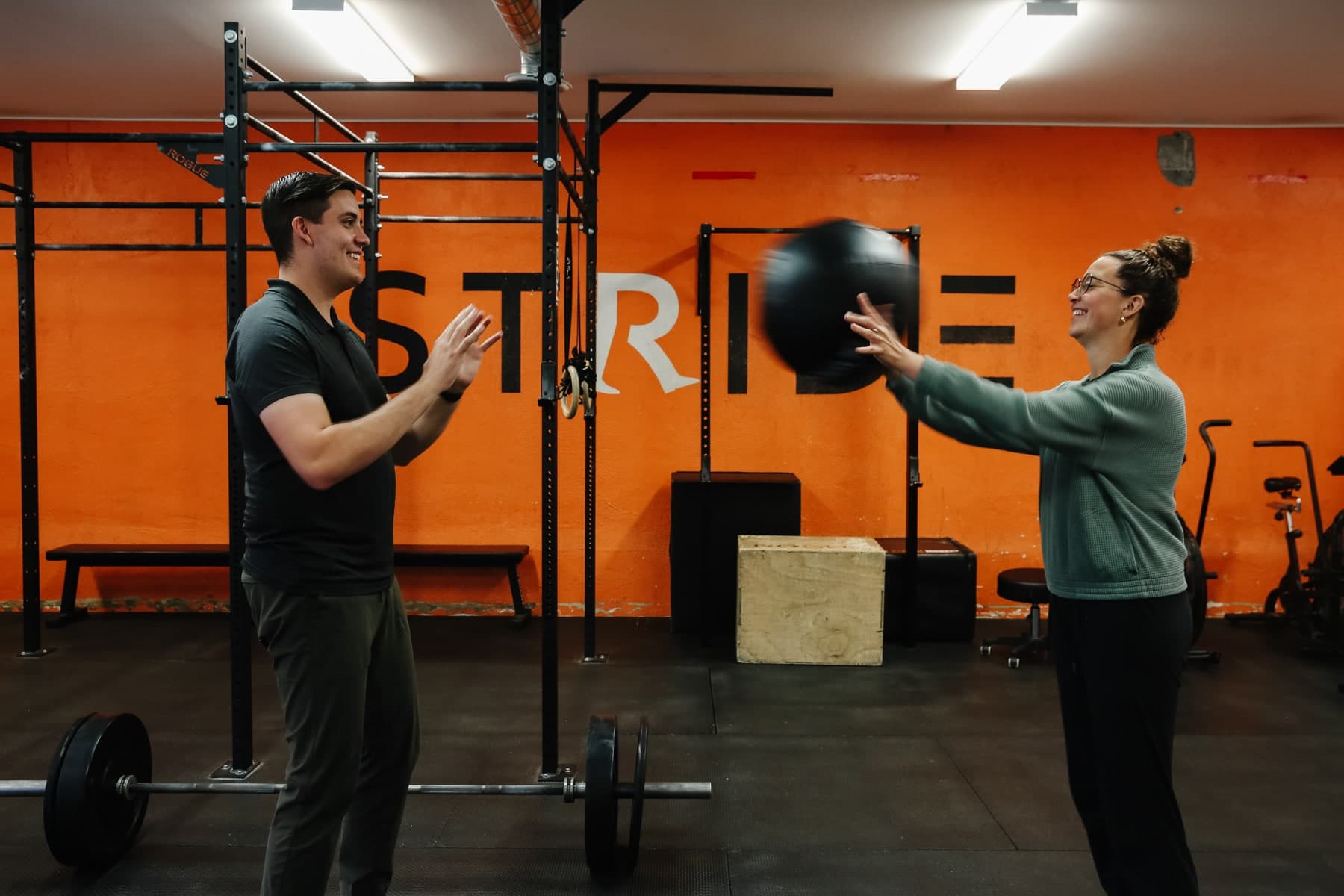
More than Sore Backs and Sports Injuries
Physiotherapy is often linked with sore backs, sprained ankles and sports injuries, but physiotherapists are also trained to help people living with a wide range of medical conditions, from arthritis and diabetes to Parkinson's disease, recovery after a stroke or heart event, and cancer treatment.
Your body is strong and adaptable, even when you're living with a long-term condition. For many conditions, staying active can be one of the most helpful things you do for your health. The hard part is knowing where to start, what's safe and how to keep going when your energy, symptoms or confidence get in the way. That's where we come in.
We help people from Swift Current and across Southwest Saskatchewan recover after a medical event, manage long-term conditions and build the strength, fitness and confidence to live well.
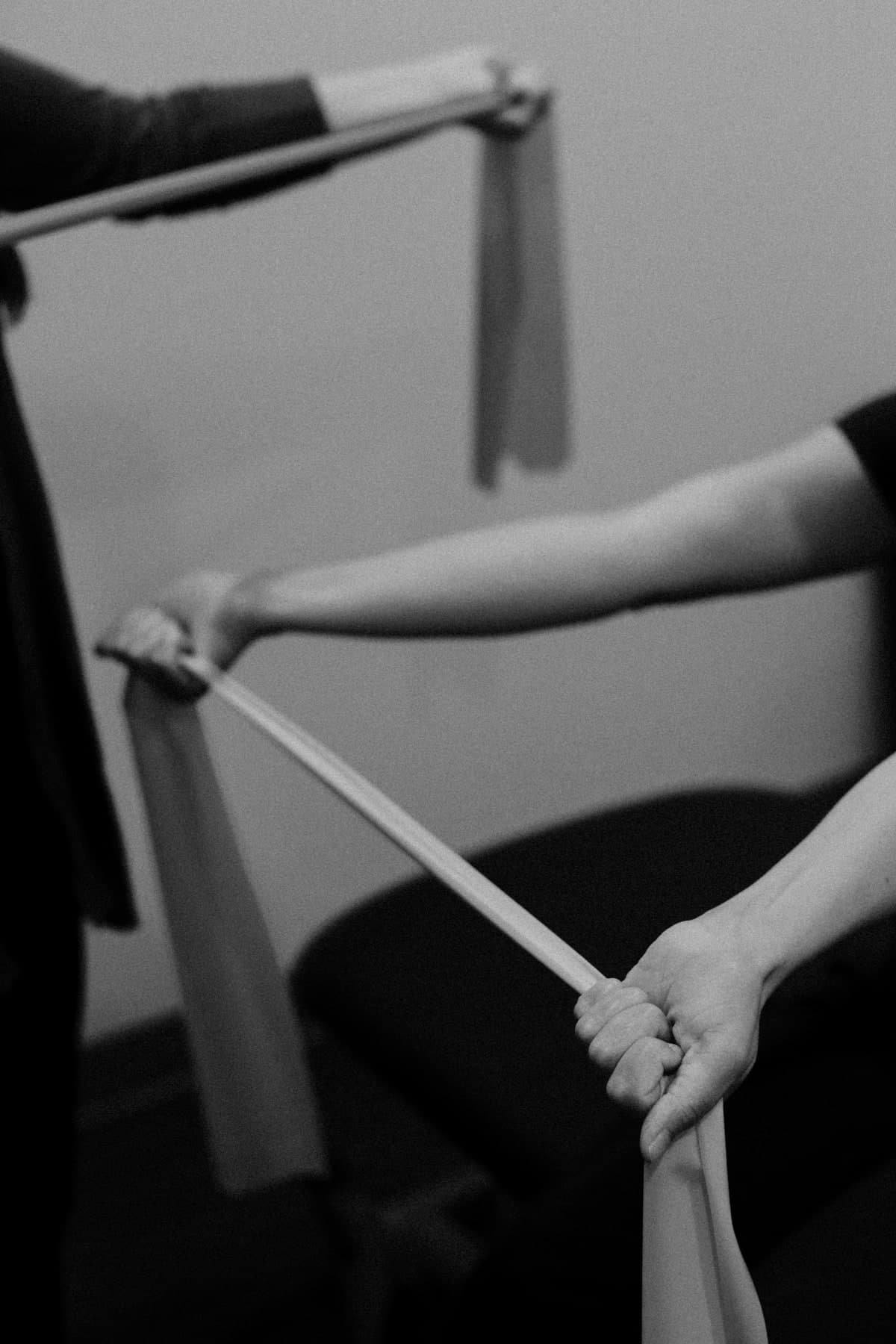
How Can Physiotherapy Help with a Medical Condition?
Whether you're recovering from something recent or managing a condition long term, our focus is on:
- Education: understanding your condition, what to expect and what you can do to help yourself.
- Safe, individualized exercise: a plan built around your condition, your current fitness, your symptoms and your goals.
- Building confidence: if you're worried activity will make your condition worse, we'll help you understand what's safe and progress at a pace that feels manageable.
- Practical support: strategies for fatigue, pain, balance, energy and getting through daily tasks.
- Finding resources: connecting you with community programs, support groups and other health professionals when they'll help.
- Working with your healthcare team: communicating with your doctor, specialist or other providers so your care fits together.
What Happens at Your First Visit?
Every condition, and every person living with one, is different. Your first visit focuses on understanding your health, your condition and what matters to you.
Talk About Your Health
We'll ask about your diagnosis and medical history, your medications, your current symptoms, how active you are now, what's getting in the way and what you'd like to be able to do.See How You Move and Respond to Exercise
Depending on your situation, we may assess your strength, balance, walking, endurance and flexibility, and how your body responds to exercise, including your heart rate, blood pressure or other measures.Make Sure Physiotherapy Is Right for You
Some conditions need clearance or guidance from your doctor before starting an exercise program, and some people are best served by a specialized hospital-based or community program. We'll screen for anything that needs medical attention and talk with your doctor when needed. If another program or provider would be a better fit, you'll get a straight answer from us, and we'll help you connect with them.Your Goals, Your Plan
Together we'll build a plan that's safe and appropriate for you, focused on where you'll benefit most and what you want to get back to, step by step.
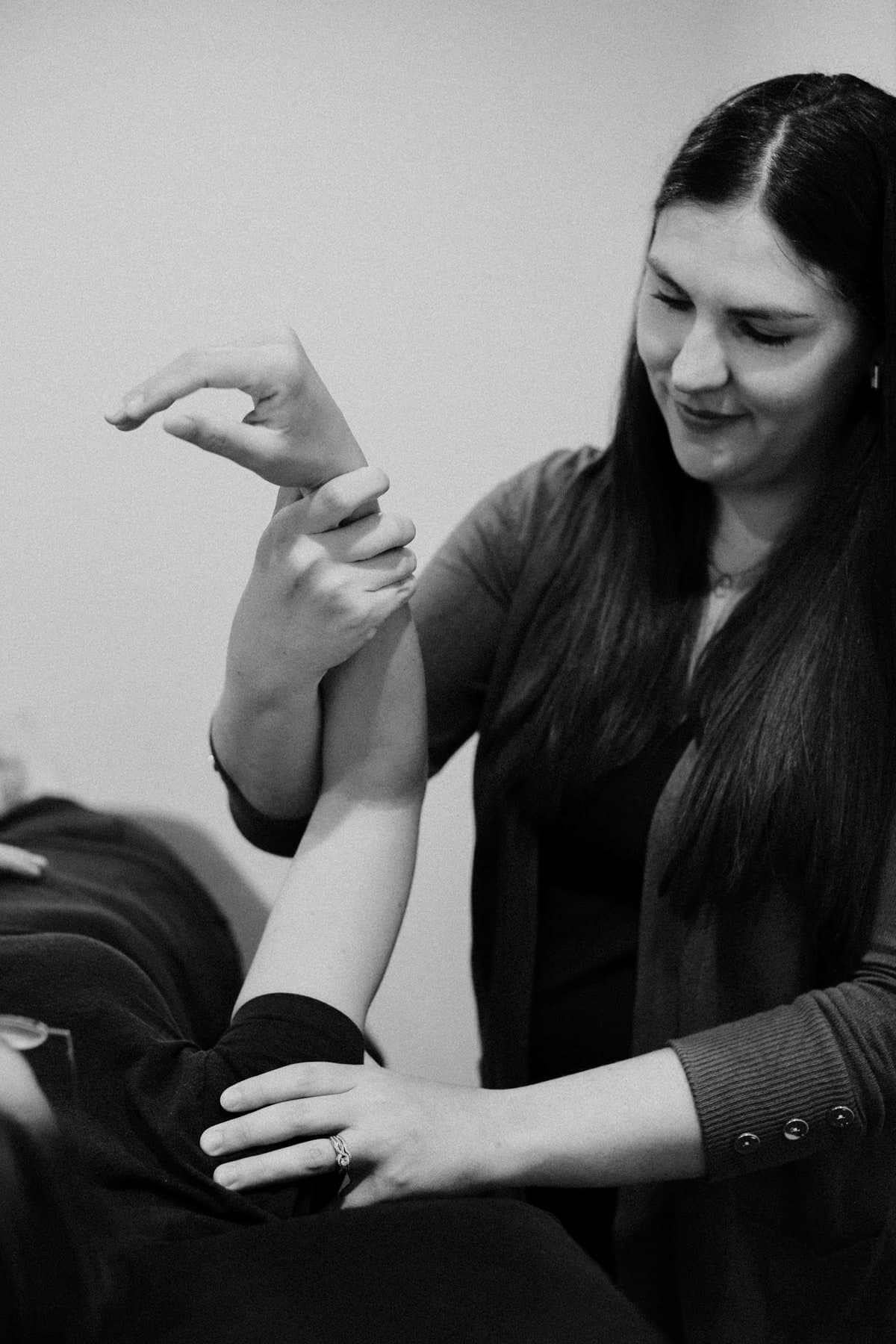
Physiotherapy for Arthritis and Rheumatological Conditions
Conditions like rheumatoid arthritis, osteoarthritis, ankylosing spondylitis (axial spondyloarthritis), lupus, gout and fibromyalgia can cause pain, stiffness and fatigue that make it hard to stay active. Regular exercise is a core part of managing many of these conditions and can help with pain, stiffness, strength, function and overall wellbeing.
We'll help you:
- Understand your condition and how activity affects it
- Build strength and keep your joints moving safely
- Have a plan for flare-ups. Flare-ups are normal and manageable, and you'll know what to do when symptoms spike
- Pace your activity and manage fatigue
- Find exercise you enjoy and can keep doing long term
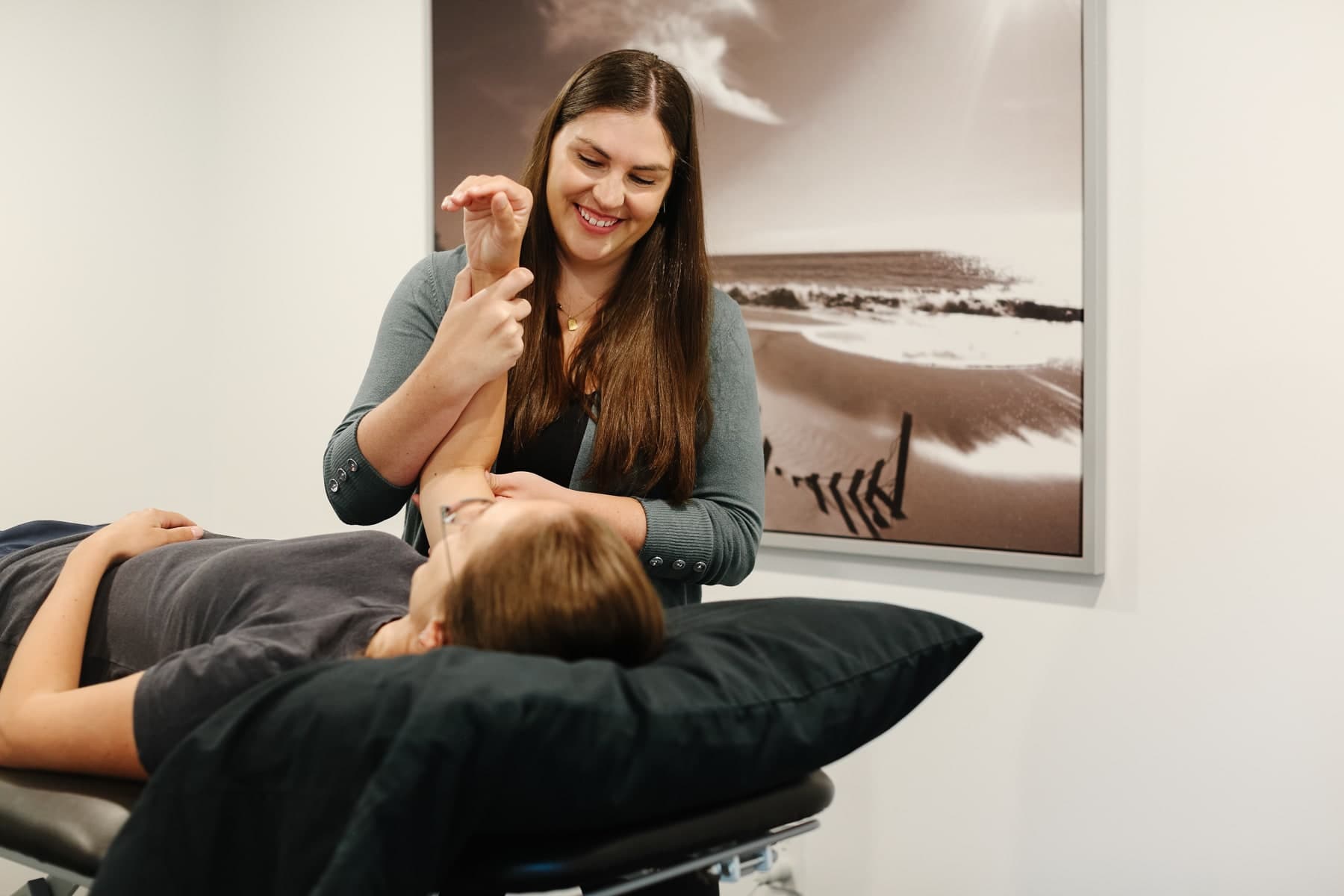
Exercise and Physiotherapy During and After Cancer Treatment
Exercise is generally safe and helpful for people during and after cancer treatment. Research shows it can help reduce fatigue, maintain strength and fitness, improve mood and quality of life, and help people cope with the side effects of treatment.
We can help with:
- Safe, individualized exercise during and after treatment
- Managing cancer-related fatigue
- Regaining strength, fitness and confidence after surgery, chemotherapy or radiation, so you can feel more like yourself
- Shoulder and arm movement after breast cancer surgery
- Balance and walking if treatment has affected the nerves in your hands or feet
- Pelvic floor rehab after prostate, gynecological or colorectal cancer treatment
We work around your treatment schedule and adjust your program as your energy and needs change, in communication with your oncology team.
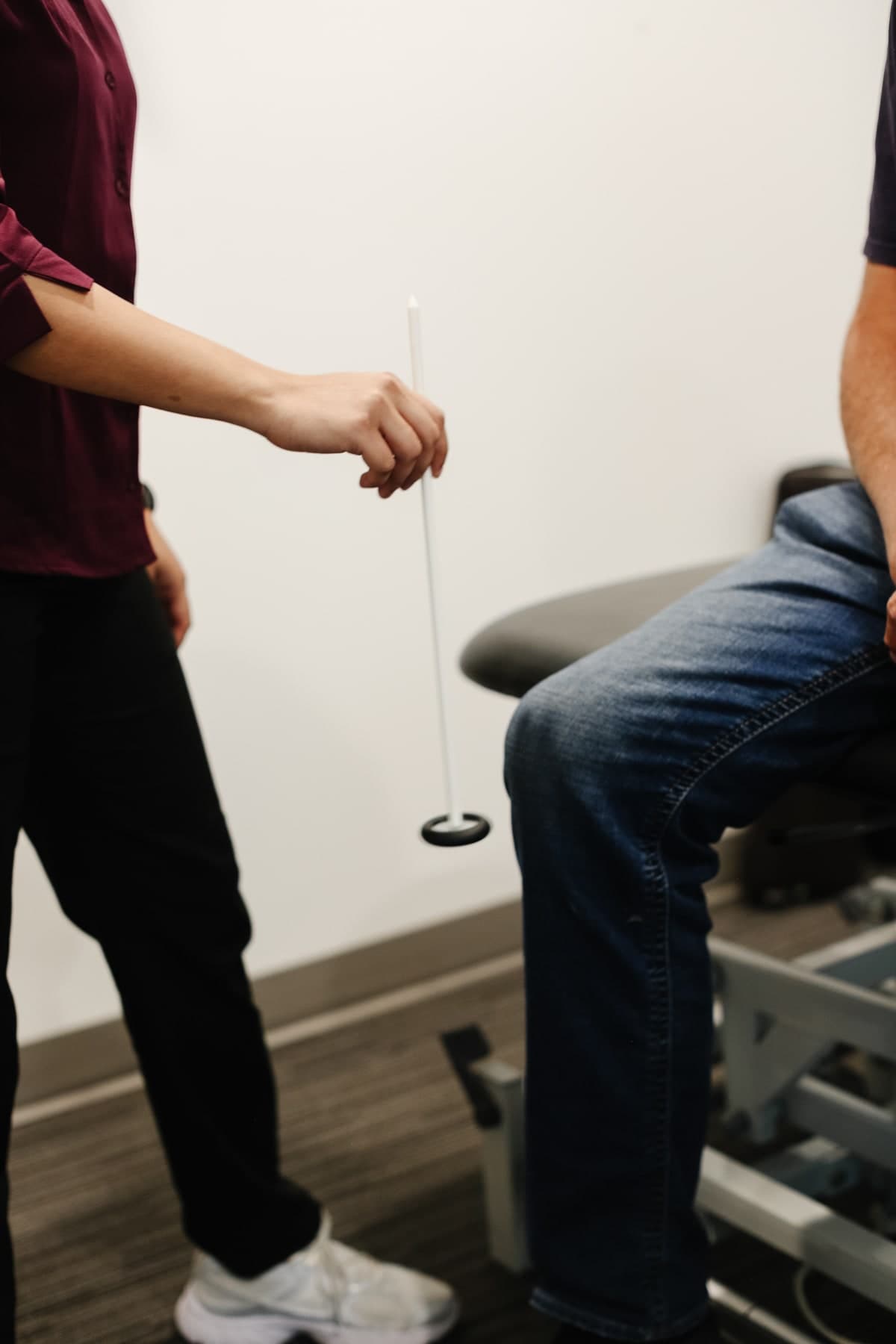
Neurological Conditions: Stroke, Parkinson's, MS and More
Physiotherapy helps people with neurological conditions stay as strong, mobile and independent as possible. We work with people living with:
- Stroke, including recovery and ongoing strengthening after leaving hospital
- Parkinson's disease
- Multiple sclerosis (MS)
- Spinal cord injury
- Peripheral neuropathy and other conditions affecting the nerves
Depending on your condition and goals, physiotherapy may focus on:
- Strength, balance and walking
- Reducing fall risk and helping you move with confidence on your feet
- Managing fatigue and planning your energy
- Staying active and maintaining fitness over time
- Practical strategies for daily tasks at home and in the community
For many neurological conditions, regular exercise can help you feel better day to day and maintain your function and independence over time.
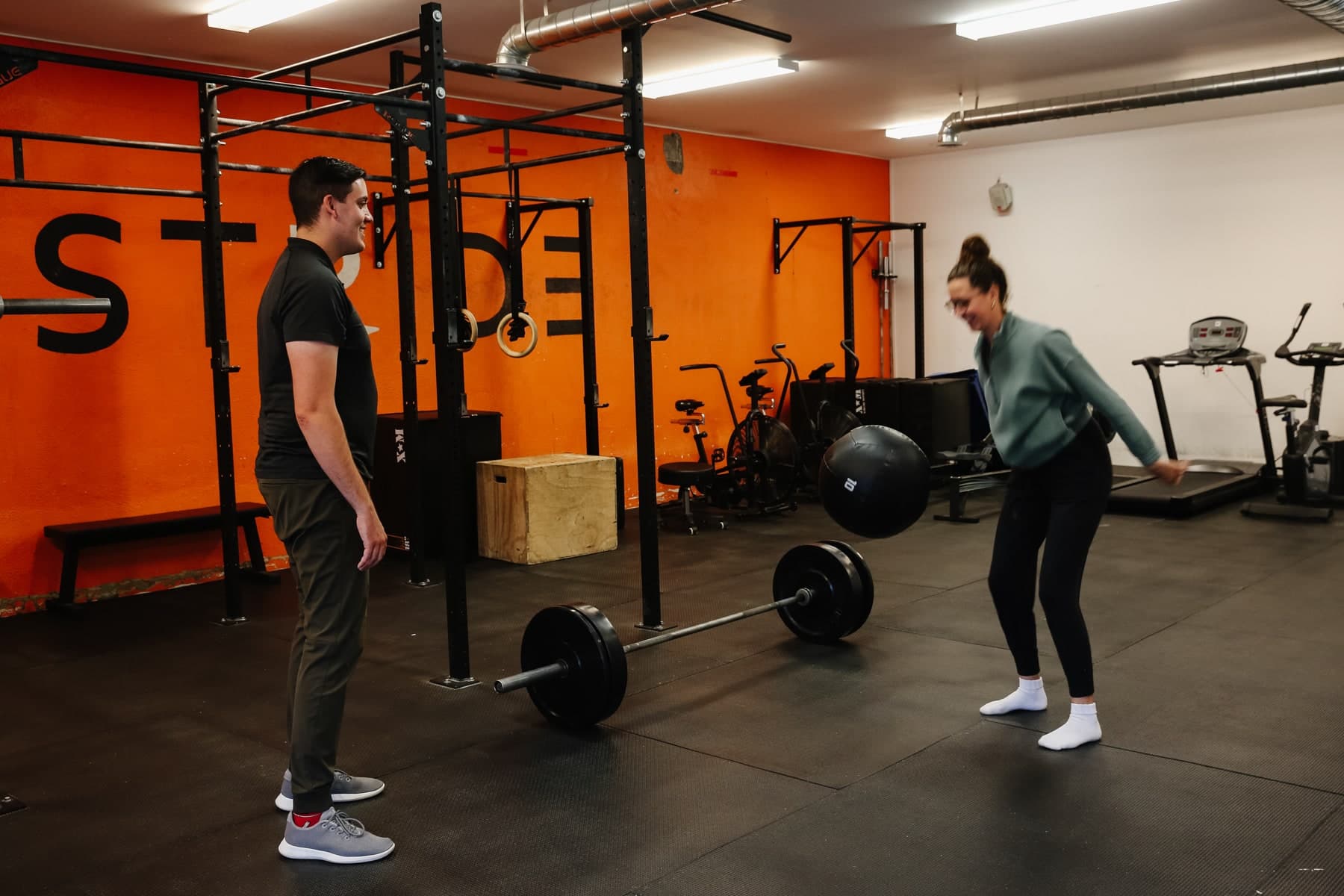
Heart and Lung Health
After a heart attack, heart surgery or a diagnosis like heart failure, staying active is a big part of recovery and long-term health. Formal cardiac rehabilitation programs are strongly recommended, and if you have access to one, we encourage you to take part.
If you've finished a cardiac rehab program, live too far from one or want ongoing support, we can help with:
- Safely rebuilding your fitness and strength, with monitoring of your heart rate, blood pressure and symptoms
- Understanding how hard to exercise and how to progress
- Building confidence with physical activity after a heart event
- Creating a long-term exercise plan you can keep doing on your own
We also help people living with lung conditions like COPD stay active and manage breathlessness during exercise, alongside guidance from their healthcare team.

Exercise for Diabetes and Metabolic Health
Regular physical activity is a key part of managing type 2 diabetes, prediabetes and other metabolic conditions. Exercise can help improve blood sugar control, heart health, strength, energy and overall wellbeing.
We'll help you:
- Start exercising safely, including if you've been inactive for a while
- Combine aerobic exercise and strength training in a way that fits your schedule
- Understand how exercise affects your blood sugar and how to stay safe
- Work around barriers like joint pain, fatigue or limited time
- Protect your feet if you have nerve changes from diabetes
Questions About Physiotherapy for Medical Conditions
Do I need a doctor's referral?
Is exercise safe with my condition?
Can you help if I'm recovering from a recent hospital stay or medical event?
Should I do cardiac rehab or physiotherapy after a heart event?
Will you work with my doctor or specialist?
Long-Term Support to Keep Building
Ongoing support can make it easier to stay active over the long term. Our coaching program offers regular check-ins, individualized programming and guidance on exercise, sleep and healthy habits, with in-person or virtual sessions as needed.