Custom Orthotics in Swift Current
An assessment comes first. If custom orthotics are likely to help your feet, heels or lower legs, we scan your feet and design a pair around you. If they won't, you'll hear that too.
- sherpa3D
- Custom orthotics designed and 3D-printed in Canada by OssKin
- 6 months
- To adjust fit or comfort, including a remake if needed
- Assessment first
- Every orthotic recommendation at Stride starts with one
Our Approach to Custom Orthotics in Swift Current
Custom orthotics are shoe inserts shaped to your feet and built for a specific job, like easing load on a sore heel, supporting an arch that aches by the end of a shift, or steadying your foot when you run. They can help with some foot and ankle problems. They aren't the answer for everyone.
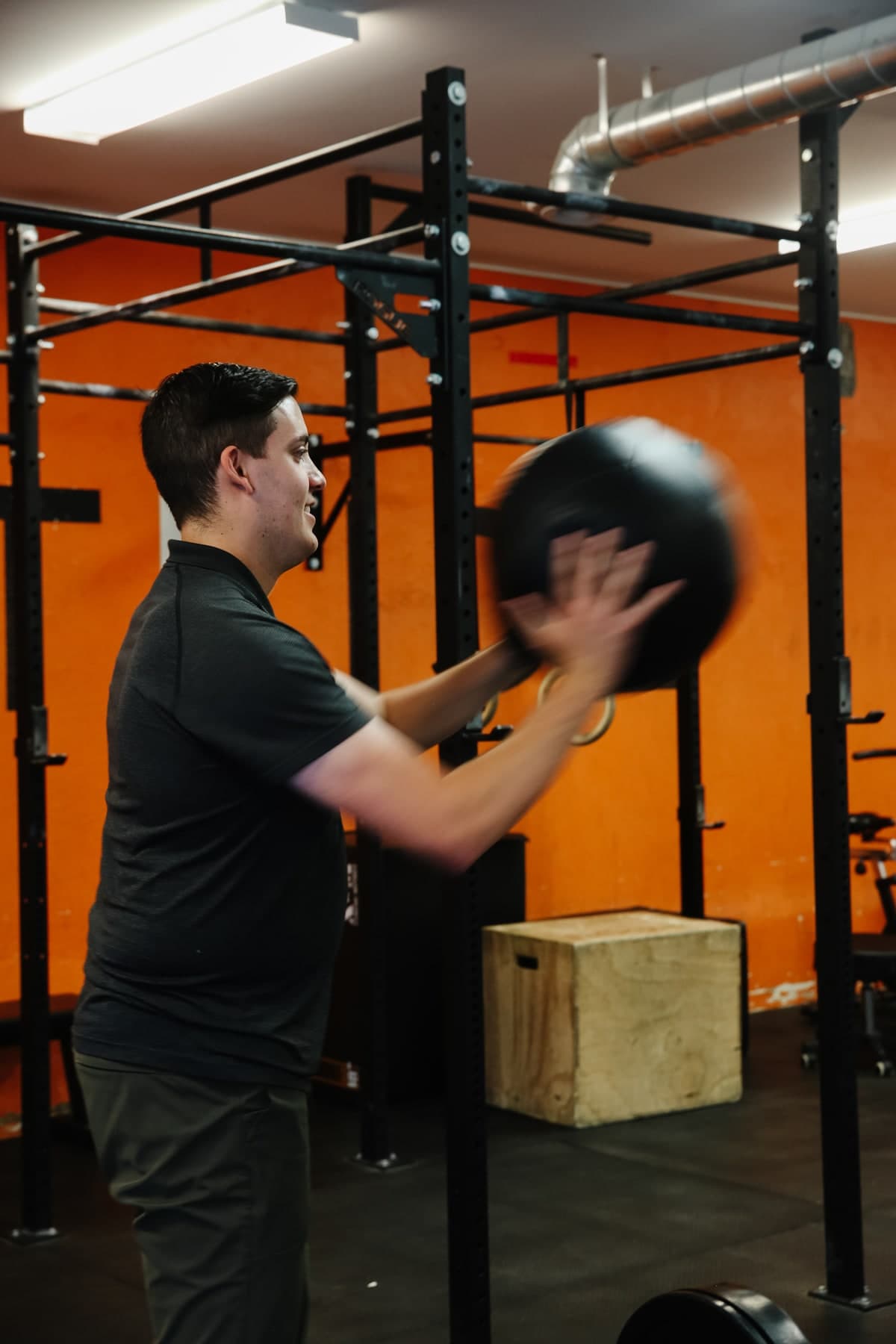
That's why every orthotic recommendation at Stride starts with an assessment, not a sales pitch. Farmers, tradespeople in work boots, runners and office workers from Swift Current and the surrounding area all get the same first question: are orthotics likely to help you?
- We look at how your feet, ankles and legs move, and talk through your symptoms, your work and your activity.
- We tell you whether orthotics are likely to help. Sometimes a good off-the-shelf insert, a change in footwear or a targeted exercise program will do the job as well.
- If custom orthotics are the right call, they become one part of a plan that keeps working on strength, mobility and how you load your feet.
Foot and Leg Problems Custom Orthotics May Help With
Plantar Heel Pain (plantar Fasciitis)
Arch and Midfoot Pain
Foot Pain from Long Shifts on Hard Floors
Shin Pain with Walking or Running
Achilles Tendon Pain
Ball-of-Foot Pain
What an Orthotics Appointment Involves
No plaster casts and no foam boxes. Here's how it runs, from the first conversation to the pair in your shoes.
A Conversation About Your Feet
We ask where it hurts, when it started, what makes it better or worse, and what you spend your days doing. Bring the shoes you wear most, and any inserts you already use.A Movement Assessment
We watch how your feet, ankles and legs move as you stand and walk, and as you run or squat if that's relevant to your symptoms. Wear clothing that lets us see from the knees down.A Clear Recommendation
We explain what we think is going on and whether custom orthotics are likely to help. If an off-the-shelf insert, new footwear or exercises make more sense, that's what we'll recommend, and you can stop there.A Quick 3D Scan
If custom orthotics are a good fit, we take a 3D scan of your feet instead of a plaster or foam cast.Digital Design
Your scan and assessment findings shape the design. Arch height, heel cup depth, shell thickness and support are set for your foot shape, your body size and the reason you need them.Fitting and Follow-Up
When your orthotics arrive, we check how they sit in your shoes. We'll check in on how they're feeling and keep working on the strength and mobility side of your plan.
How Sherpa3D Orthotics Are Built
When custom orthotics make sense, Stride uses sherpa3D orthotics, designed and 3D-printed in Canada by OssKin. They're thin and light, so they fit into more of the shoes you wear, from runners to work boots to everyday shoes.
Each pair has a cushioned heel to absorb impact, a supportive shell for stability, and a flexible forefoot that allows a natural push-off when you walk or run. The shape and support come from your scan and your assessment, not from a standard size chart.
If your orthotics need adjusting for fit or comfort in the first six months, we'll work with you to make them right, including a remake if needed.
Are Custom Orthotics Covered by Insurance?
Coverage for custom orthotics depends on your extended health plan. Some plans include them, some limit how often they'll pay, and some ask for a doctor's referral or prescription before they reimburse. Check your plan's wording before your scan so there are no surprises.
You don't need a doctor's referral to see a physiotherapist in Saskatchewan. Any referral question is about your insurer, not about booking with us.
If your foot or leg problem came from a work injury or a car accident, bring your WCB or SGI claim number. We communicate with WCB and SGI and can talk through what your claim may cover.
We'll explain our fees before anything is ordered. You're also free to buy orthotics or inserts from another supplier, and that choice won't change your physiotherapy care. For current pricing, get in touch with the clinic.
Who Does Your Orthotics Assessment?
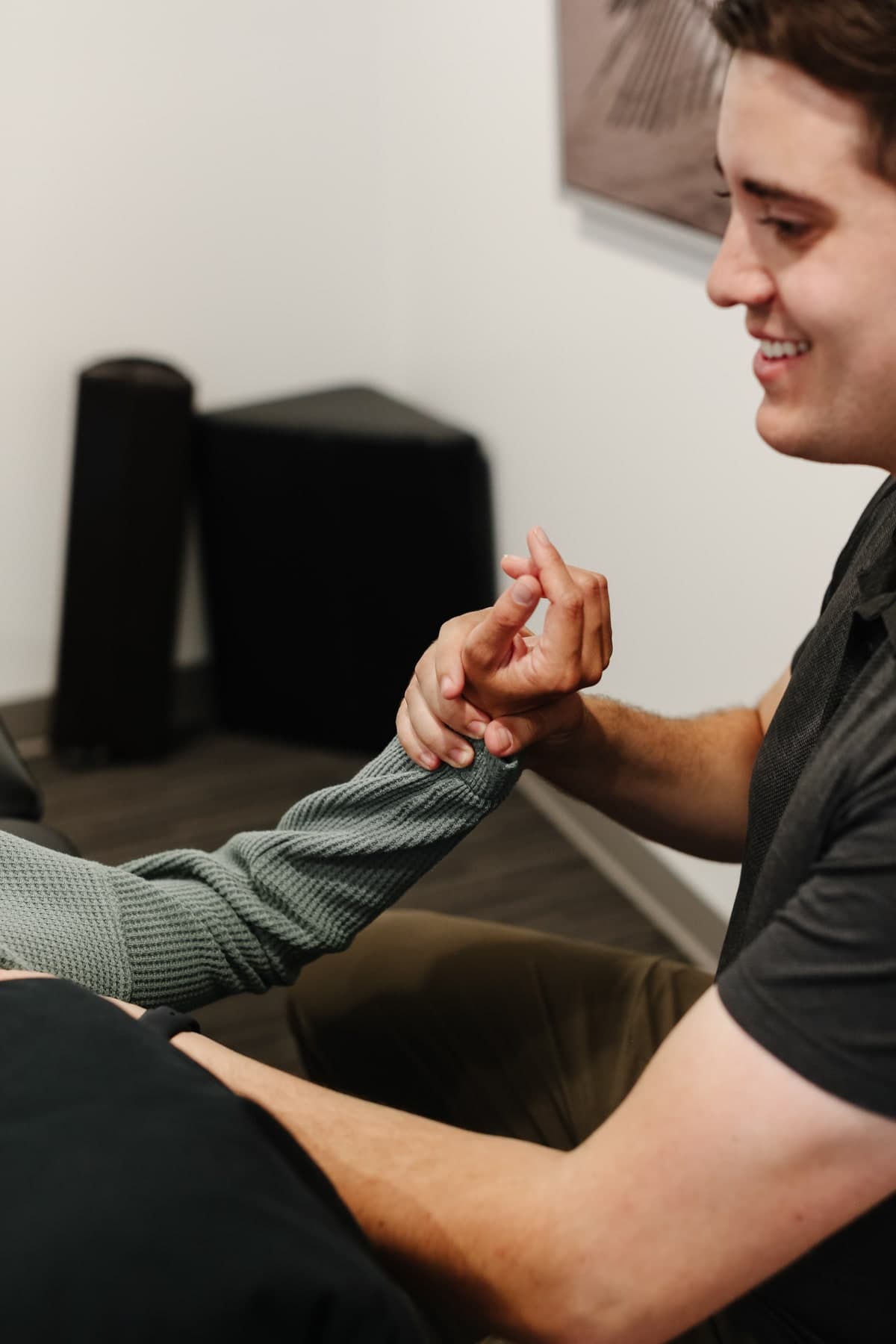
Your assessment and scan are done by a physiotherapist on the Stride team. Physiotherapists in Saskatchewan are registered with the Saskatchewan College of Physical Therapists, and the person who recommends your orthotics can keep treating the problem behind them through physiotherapy.
Orthotics work best as one part of a plan. If your heel pain is tied to weak calves or a sudden jump in running, the insert can ease the load while the exercises build what your foot needs to cope without the pain.
Stride also fits custom OssKin knee braces through custom joint bracing, so if your knee is part of the picture, that conversation happens under the same roof. People come in from Swift Current and across Southwest Saskatchewan, and getting a foot assessment and custom orthotics here means one less reason to drive to Regina or Saskatoon.
Custom Orthotics Questions, Answered
How long does it take to get used to new orthotics?
Do I need an X-ray or MRI before getting orthotics?
What if my pain doesn't change once I'm wearing them?
Can I move one pair between different shoes?
Find Out Whether Orthotics Belong in Your Plan
Start with an assessment in Swift Current. If orthotics aren't likely to help, you'll leave with a plan that doesn't include them.