Remote Coaching in Swift Current
One-on-one training and habit coaching for the stretch after rehab, or for starting fresh on your own, with support between sessions so you know what comes next.

- 1-on-1
- Individualized training program
- 2 ways
- Start after rehab or on its own
- Messaging
- Program updates from your feedback, with in-person or video sessions as needed
What Is Remote Coaching and Who Is It For
Getting out of pain is a good first step. For a lot of goals, it's not where you want to stop. Physiotherapy tends to wind down once your pain settles and daily life feels normal again, and there can be a gap between feeling better and feeling as strong and capable as you'd like.
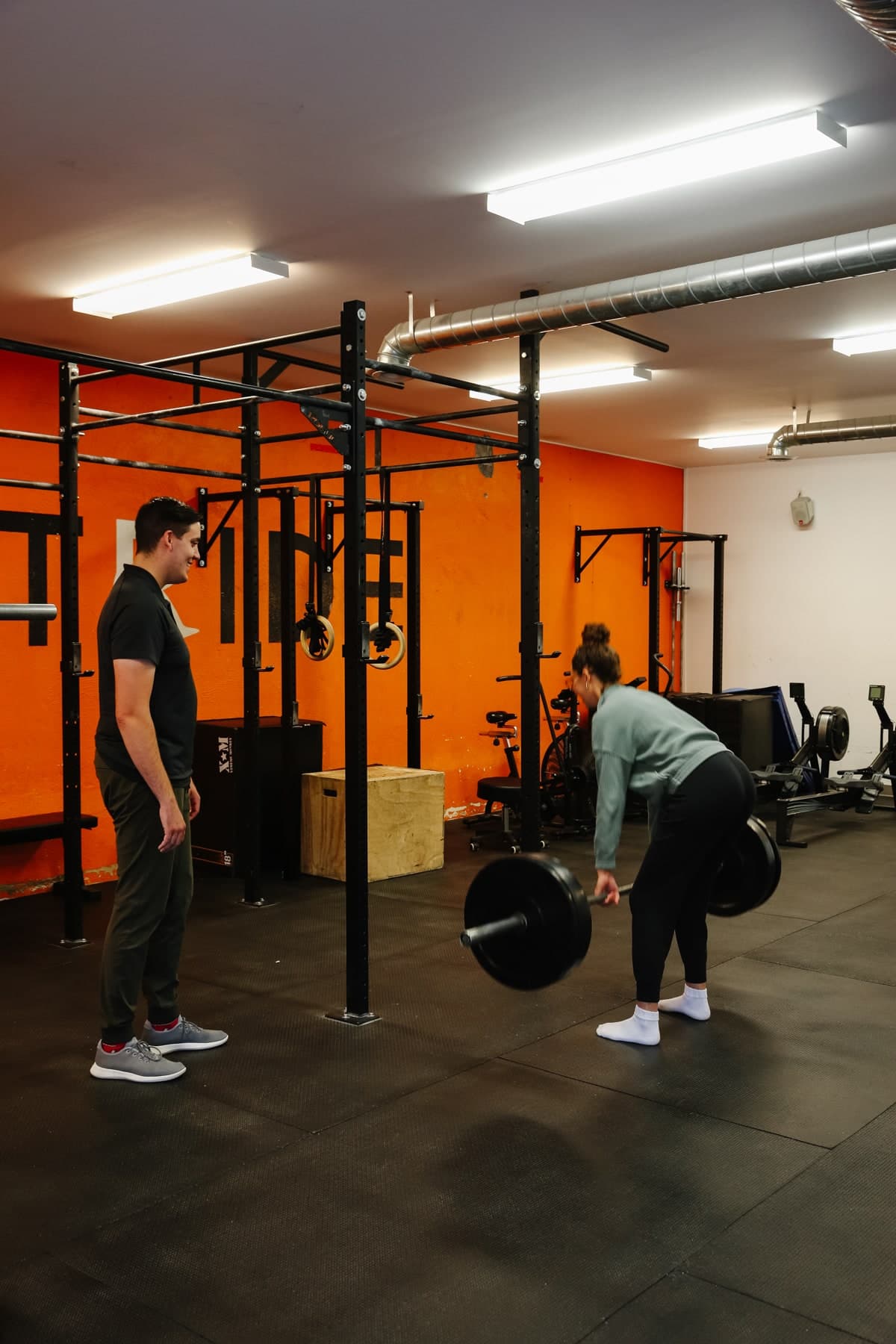
Remote coaching at Stride is one-on-one training built around exercise and healthy habits, and most of it happens by messaging. You train on your own schedule, tell us how it went, and we update your program based on your feedback. When something needs clearing up, we book an in-person or video session. There are two ways in.
After rehab: we keep progressing your training so you can return to sport, lift heavier, run farther or feel more resilient day to day. Steady progression after rehab may lower the chance of ending up back where you started.
On its own: you don't need to be a current physiotherapy patient. Coaching suits you if you're managing a nagging injury, getting back into exercise after time away, or want a plan for your general health that fits your body and your week.
Goals and Situations Coaching Is Built Around
Returning to Sport After an Injury
Lifting Heavier After Rehab
Running Farther
Managing a Nagging Injury
Getting Back into Exercise After Time Away
Training Around a Busy Schedule
Working with Limited Equipment
Improving Overall Health and Fitness
How Remote Coaching Works
There's no standard protocol here. Each step bends to how your training is going.
Start with a consultation
We talk about your goals, your history and what you've tried before. If coaching isn't a good fit, we'll tell you and point you toward something that is.Get your individualized program
Your plan is written around your situation: a past injury, a packed schedule, limited equipment or one specific goal you're chasing.Train on your schedule and send feedback
You work through your program when it suits you, then message us how it went: what felt good, what felt hard, and what didn't fit your week.Get program updates as you go
We adjust your program based on what you tell us. When you get stronger, it progresses. When life gets busy or something flares up, we change the plan instead of starting over.Meet in person or by video when needed
Most coaching happens by messaging, so living out of town doesn't have to stop you training with us. When something needs clearing up, we book an in-person session at the Swift Current clinic or a video call.Build habits outside the gym
You'll get guidance on sleep, nutrition and recovery, aimed at routines you can keep long after the program ends.
Our Approach to Coaching in Swift Current
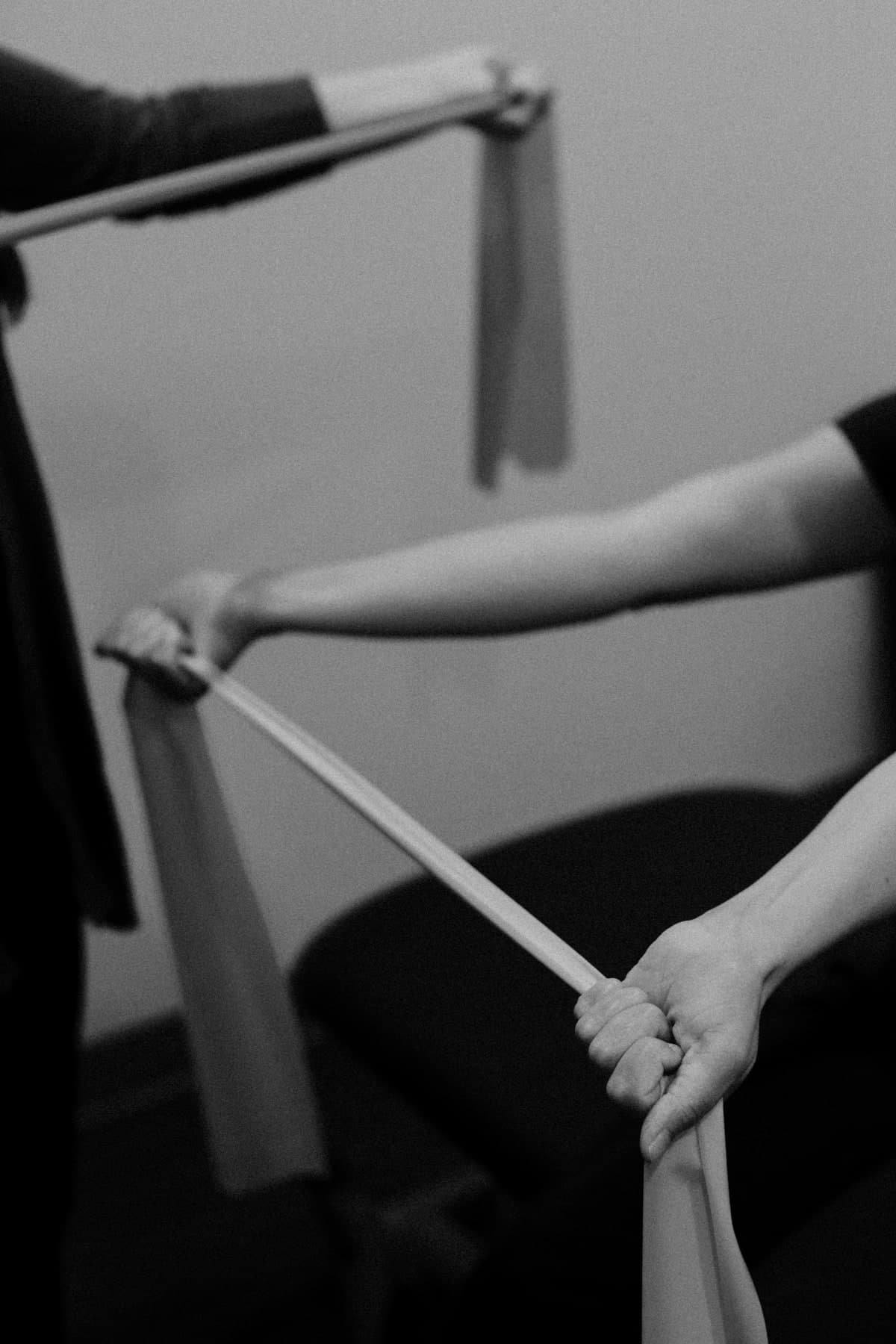
Coaching is meant to make you independent. We teach the principles behind what you're doing, so you understand how to train, how to progress and how to adjust when something changes. The aim is that you finish feeling confident running your own health and fitness.
- Your program is written for your body and goals, then changed as you progress, rather than copied from a template.
- You learn why each part of the plan is there, so you can rework it yourself when a week gets busy or an old injury complains.
- If you've been a patient here, your coach and your physiotherapist can talk to each other so training picks up where rehab left off.
Stride's team in Swift Current sees farmers, tradespeople, office workers, new parents, athletes and older adults. A plan can be built around a shift schedule or a hockey season as easily as a gym routine. If an old knee problem acts up mid-program, the clinicians who know your rehab history work under the same roof.
What Coaching Costs and Who You'd Work With
Coaching is billed as a monthly rate, not per session. The rate covers your program, messaging support, updates based on your feedback, and the in-person or video sessions we book as needed. It isn't listed on this page: call the clinic or ask at your consultation, and you'll know the cost before you commit to anything.
Extended health coverage varies from plan to plan, and coaching may not be receipted the same way as physiotherapy treatment. Check with your insurer, and ask us how coaching will be receipted before you start. If your physiotherapy has been through WCB or SGI, talk with us about how coaching would fit around or after your claim.
Coaching is delivered by Stride's team. The clinic is owned by Jory, a physiotherapist who has worked as medical support staff with the University of Saskatchewan Huskies, and the team regularly helps hockey players and other athletes return to sport. If you see more than one of our clinicians, they talk to each other about your care so everything fits together.
Because coaching runs mostly through messaging, you can train with us from anywhere in Southwest Saskatchewan and come into the Swift Current clinic when an in-person session makes sense.
Remote Coaching Questions, Answered
Do I need a doctor's referral to start coaching?
How is coaching billed?
Can I start coaching while I'm still in physiotherapy?
Is coaching suitable if I've never exercised regularly?
How long does coaching last?
Book a Coaching Consultation
Tell us your goals and what's held you back before, and we'll be straight about whether coaching fits. Coaching runs mostly by messaging, with in-person or video sessions when they help, all for one monthly rate.