Knee Pain: Symptoms, Causes and Treatment
Sore on the stairs, stiff after sitting, or worried about a twist on the ice. We'll find what's driving your knee pain and build a plan to get you back to the things you do.
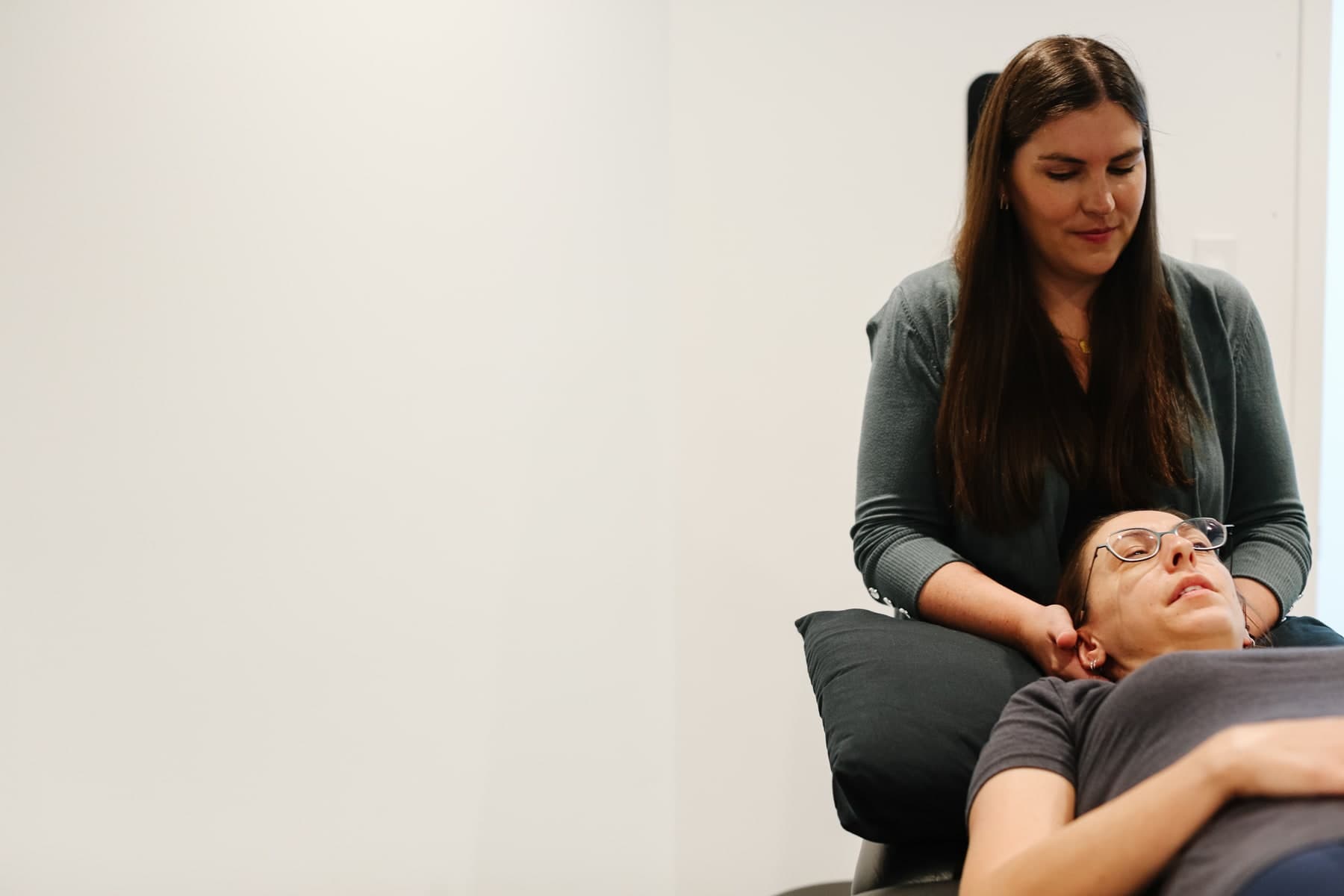
What Is Knee Pain and Where Does It Come From
Knee pain is a symptom, not a diagnosis. It can come from the joint surfaces, the ligaments that hold the knee steady, the cartilage cushions inside it, the tendons around the kneecap, or from the hip or lower back sending pain down the leg.
If you've been handed a scan report or a note with a medical term on it, here's what the common ones mean. Patellofemoral pain, sometimes called runner's knee, is pain at the front of the knee, around or behind the kneecap. Osteoarthritis is a change in the cartilage and bone of the joint that tends to come with age, and how it looks on an X-ray doesn't always match how much a knee hurts. The meniscus is a C-shaped pad of cartilage between the thigh bone and shin bone. A meniscus tear is a split in that pad.
The ACL (anterior cruciate ligament) and MCL (medial collateral ligament) are ligaments that keep the knee stable when you twist and change direction. Patellar tendon pain, or jumper's knee, sits below the kneecap where the tendon attaches to the shin.
Knowing which structure is involved shapes the plan, because each one responds to different exercises, loads and timelines.
What Does Knee Pain Feel Like
Where it hurts gives useful clues. Pain at the front of the knee that flares on stairs, squatting, kneeling or after a long drive often points to the kneecap or patellar tendon. An ache along the inside or outside of the joint, especially with twisting or deep bending, can suggest the meniscus. Pain on the outside of the knee that builds partway through a run or a ride is a pattern linked with the IT band.
Arthritis tends to feel stiff first thing in the morning or after you've been sitting, then eases once you get moving. It may ache more at the end of a busy day. After a twist or fall, you might have felt a pop, noticed swelling within hours, or had the knee give way under you.
A knee that catches, locks or won't fully straighten tells us something different from a knee that only aches. So does one that feels unstable when you change direction. Pain that seems to sit in the knee but changes with hip or back position may be coming from higher up, which is why we check your hip as part of a knee assessment.
Knee Conditions We Assess and Treat
Patellofemoral Pain (Runner's Knee)
Knee Osteoarthritis
ACL Injuries
MCL Sprains
Meniscus Tears
Patellar Tendon Pain (Jumper's Knee)
IT Band Syndrome
Osgood-Schlatter Disease
Rehab Before and After ACL Reconstruction
Rehab After Knee Replacement
How Serious Is My Knee Pain
Mild knee pain lets you keep doing most of your day. It might nag on stairs or after activity and settle with rest. Moderate pain gets in the way: you change how you walk, skip the run, or avoid kneeling at work. Severe pain makes it hard to put weight on the leg, comes with marked swelling, or stops the knee from bending or straightening.
With ligaments and tendons, a partial tear means some fibres are still intact. A full tear means the structure is torn through. Partial sprains, including MCL sprains, often respond well to rehab without surgery. A full ACL tear can leave the knee giving way and may warrant a surgical opinion, especially if you want to return to sports with cutting and pivoting. Pain in both knees at once (bilateral knee pain) is often seen with arthritis and kneecap pain, and is less likely to come from a single injury.
Some knee problems need medical care before physiotherapy. See your family doctor or go to emergency care if you can't put weight on your leg after an injury, your knee is locked and won't fully straighten, or the knee is hot, red and swollen, especially with a fever or feeling unwell. Calf pain, swelling or warmth after surgery or long travel needs checking right away. So does knee pain in a child or teen with a limp, which can sometimes come from the hip. If we find one of these at your assessment, we'll tell you and help you get to your doctor, an orthopaedic surgeon or emergency care.
You often won't need an X-ray or MRI. Knee arthritis can usually be diagnosed from your symptoms and a physical exam. Meniscus tears and cartilage changes show up on MRI in people with no knee pain at all, so a scan doesn't always explain your symptoms. Imaging earns its place when a fracture is possible, the knee is locked, or surgery is being considered, and we'll recommend it or talk with your doctor when it's needed.
What Causes Knee Pain and Who Gets It
Knee pain tends to arrive in one of two ways. A sudden injury, like a twist on the ice, a fall from a ladder or a hard landing, can sprain a ligament or tear the meniscus. Gradual pain builds when the load on your knee climbs faster than the tissues can adapt: a jump in running distance, a new job with lots of kneeling, a season of extra ice time, or a quiet stretch followed by a busy week.
We see knee pain in people of all ages and activity levels. In Swift Current and across Southwest Saskatchewan, that includes hockey players and runners, cyclists with pain on the outside of the knee, farmers and tradespeople who kneel and climb all day, growing kids and teens with pain below the kneecap, and older adults with arthritis. If your knee was hurt on the job, we can help with your WCB claim and a realistic return to work.
Age, past knee injuries, body weight, strength around the hip and thigh, and recent changes in training or work can all play a part. None of them mean your knee is destined to get worse. Being told your knee is worn out doesn't rule out getting stronger and more active.
How We Assess Knee Pain
Your first visit is about understanding your knee, not jumping straight into treatment. Wear shorts or loose clothing so we can see and move the area.
Your Story
We ask how the pain started, whether you felt a pop or had swelling, whether the knee locks, catches or gives way, what makes it better or worse, and what you want to get back to. Your answers often point us in the right direction before we've done a single test.Swelling and Movement
We check for swelling and see how well your knee bends and straightens, and how you walk on it.Ligament, Meniscus and Kneecap Tests
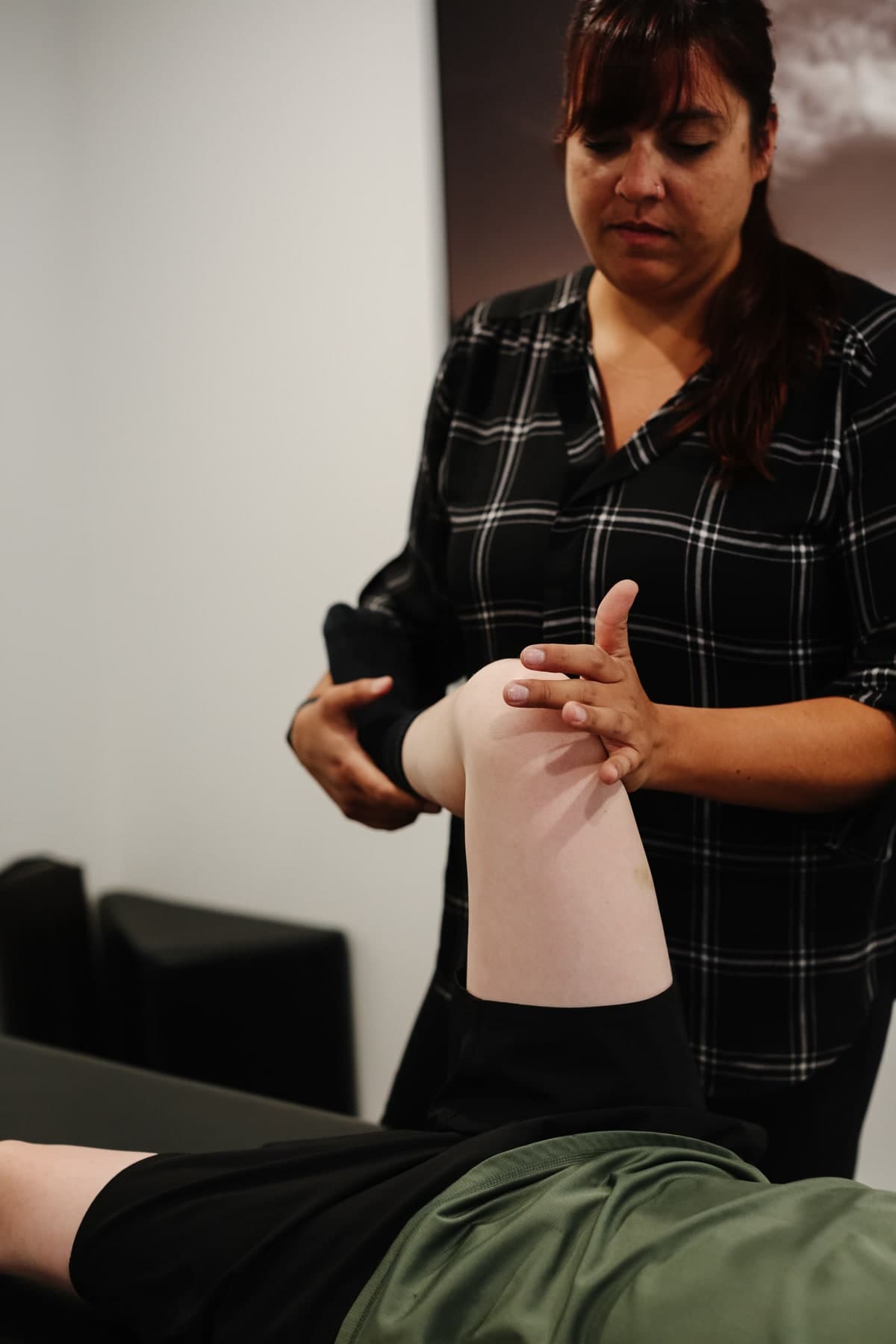
Depending on your symptoms, we test the stability of your knee ligaments and use specific tests for the meniscus and the kneecap.Strength and Control
We assess strength and control in your hip, knee and ankle, and watch how you squat, step or hop if your knee is ready for it.Hip and Back Screen
Your hip and lower back can refer pain into the knee, so we screen both to make sure the plan targets the right area.Your Plan
Before you leave, we explain what's likely going on in everyday words, answer your questions and agree on a plan together: what we'll work on in the clinic, what you'll do at home, and roughly how long recovery may take.
Our Approach to Knee Pain in Swift Current
Treatment is built around what your assessment finds and what you want to get back to. These principles guide your plan:
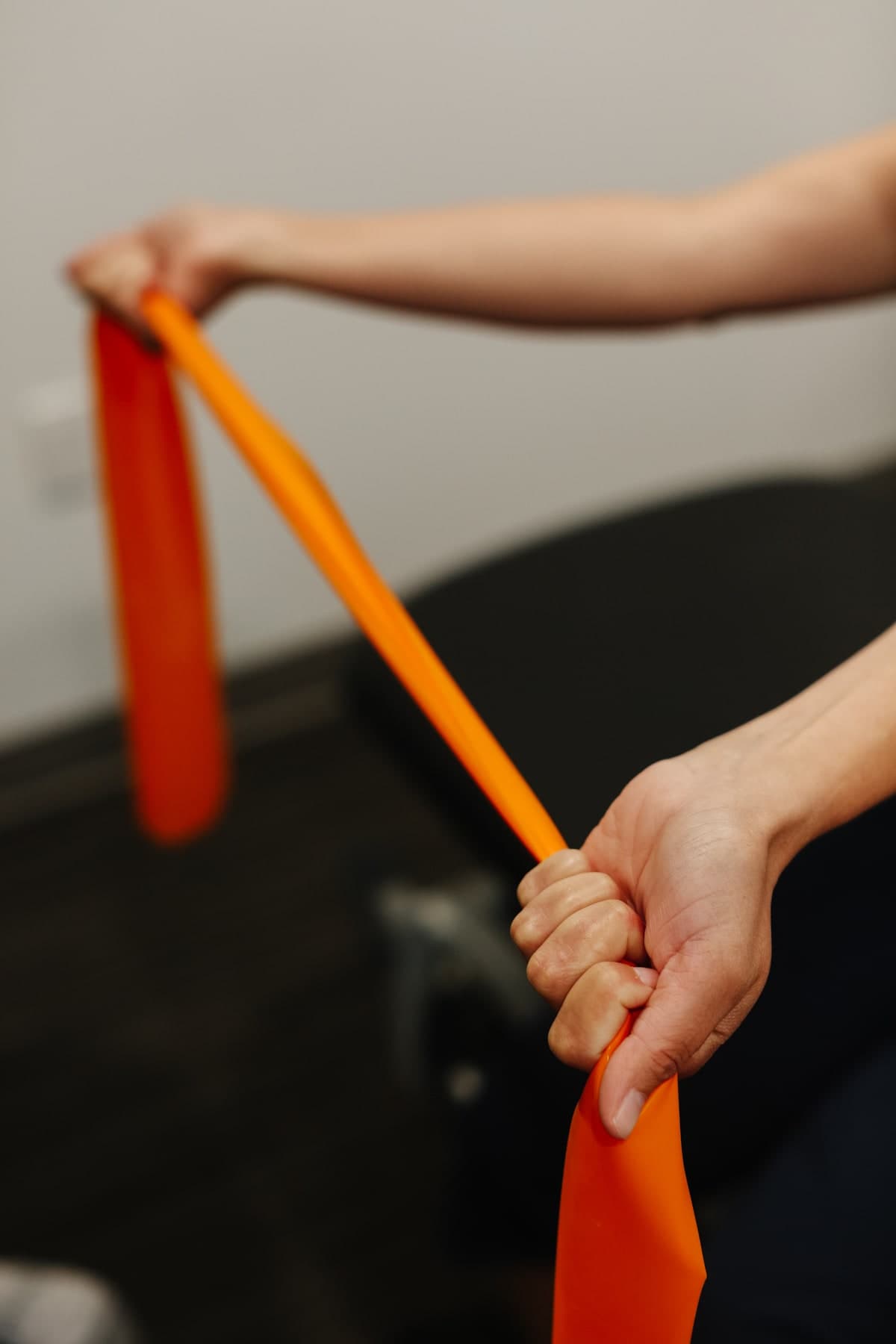
- Strengthening: progressive strengthening for your hip, thigh and calf muscles has strong research support for knee arthritis and pain around the kneecap.
- Managing load: we adjust running, stairs, squatting or kneeling so your knee can settle and adapt, without stopping everything.
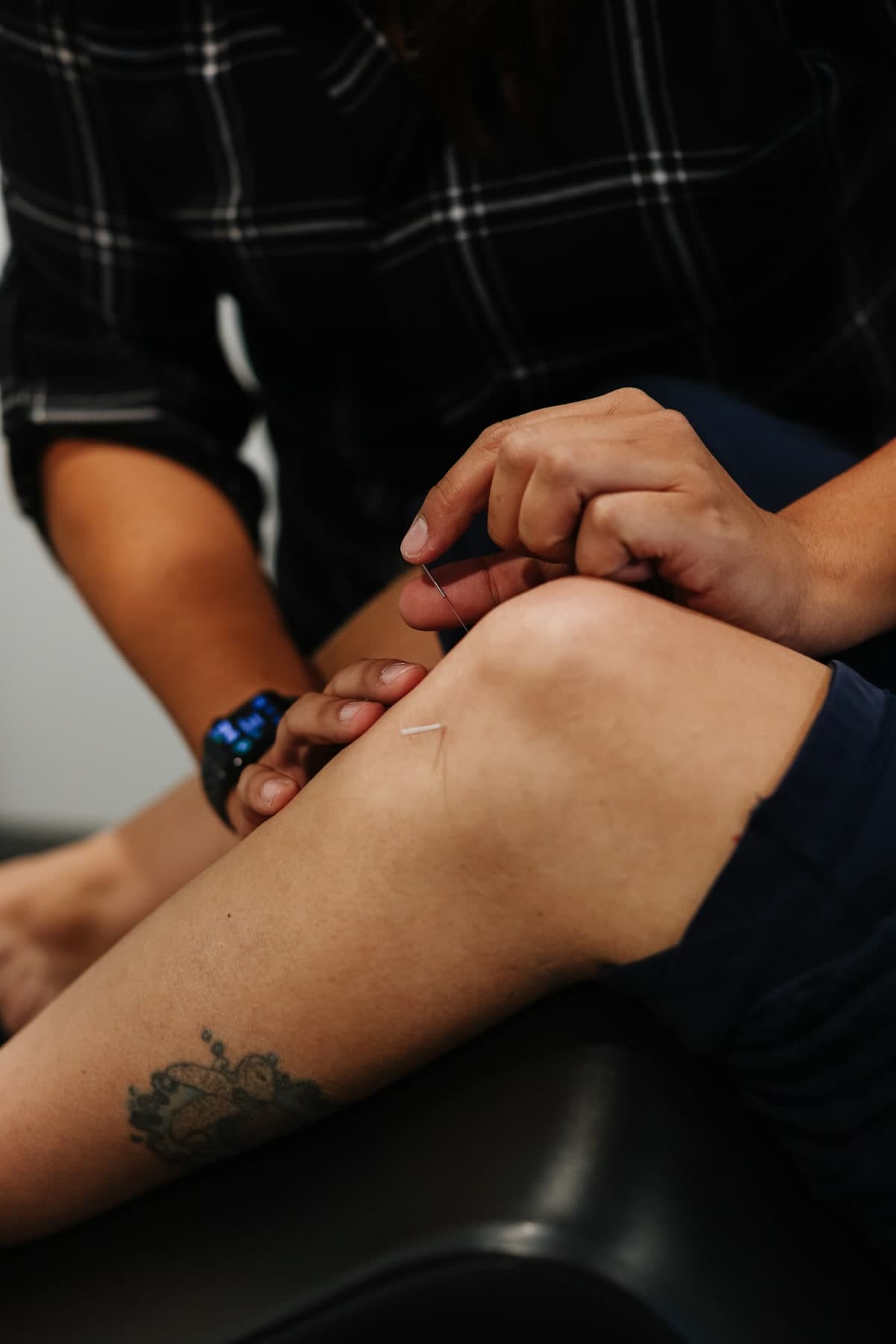
- Hands-on care and other tools when they help: manual therapy, taping, dry needling, acupuncture or shockwave may ease pain in the short term. A knee brace or orthotics may help some people. They support the plan rather than replace it.
Early on, the focus is settling pain, understanding your knee and finding a level of activity it tolerates. Between visits you'll do a few exercises at home, chosen to fit your day. As things calm down, the exercises get harder and we build toward your goal with clear milestones: walking without pain, a full shift, a long day of kneeling, or getting back on the ice.
For return to sport, Jory has worked as medical support staff with the University of Saskatchewan Huskies, and we regularly help hockey players get back to the rink safely. Before you finish, you'll have a plan for flare-ups so a sore week doesn't send you back to square one. If you want to keep building strength afterwards, our coaching program offers regular check-ins in person or virtually.
How Long Does Knee Pain Take to Recover
Recovery time depends on what's driving your pain, how long it's been there and what you're getting back to.
A flare of kneecap pain or a mild sprain can settle over a few weeks once the load is right. Tendon pain and arthritis tend to take longer, often a few months of steady strengthening, with ups and downs along the way. A significant ligament injury or knee surgery is measured in months, and return to sport is based on strength and movement tests rather than the calendar alone.
Staying active within comfortable limits, doing your exercises consistently and sleeping well all help. Pushing through sharp pain, stopping activity altogether or a job that keeps the knee under heavy load can slow things down. We'll give you a rough timeline at your first visit and adjust it as we see how your knee responds. It's an estimate, not a promise, and you'll know what progress should look like along the way.
Questions About Knee Pain, Answered
Do I need a doctor's referral to see a physiotherapist for knee pain?
Will exercise wear out my knees?
Do I need surgery for a meniscus tear or knee arthritis?
Should I wait and see before booking for knee pain?
Will a knee brace or orthotics help my knee pain?
Book Knee Pain Treatment in Swift Current
Your first visit ends with a clear explanation of what's going on in your knee and a few things you can start doing right away. Book online with our team in Swift Current.