Dry Needling in Swift Current
Fine, sterile, single-use needles placed into tight or sore muscles, used as one part of a plan built around exercise and understanding your pain.
- No referral
- Needed to see a physiotherapist in Saskatchewan
- Single-use
- Sterile needles, used once and discarded
- WCB and SGI
- We communicate with both on work and car accident claims
What Is Dry Needling and Who Is It For
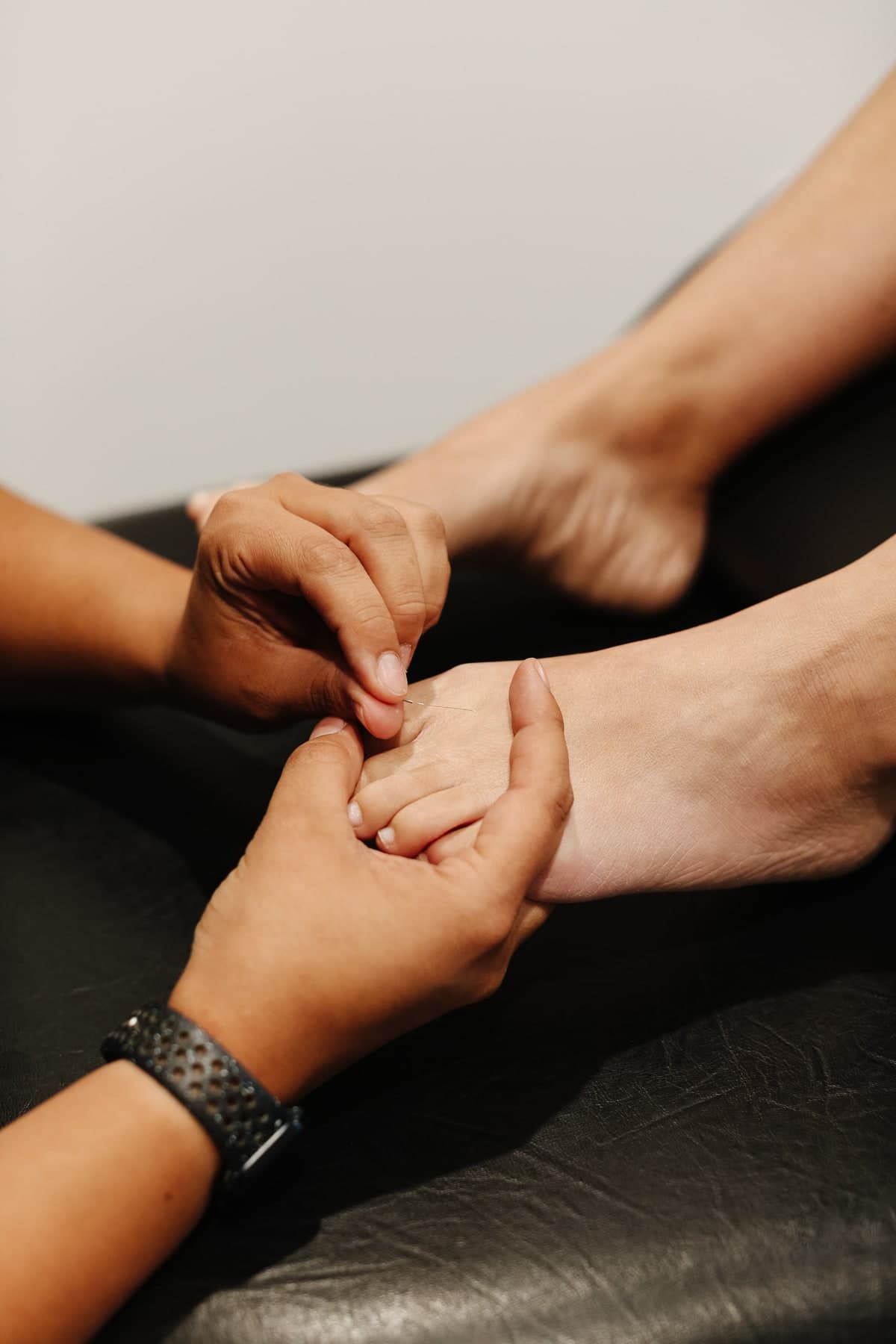
Dry needling uses fine, sterile, single-use needles inserted into muscles and other soft tissues to help reduce pain and muscle tension. It's called "dry" because nothing is injected. The needle itself is the treatment.
It's based on modern anatomy. Your physiotherapist chooses specific muscles based on what your assessment shows, not a set map of points.
It may suit you if a muscle-related ache is getting in the way of work, training or sleep, and you want something that can calm it enough to move more freely. At Stride it's one tool inside your physiotherapy plan, usually paired with exercise and education. It isn't meant to carry the plan on its own.
What We Treat with Dry Needling
What Happens During a Session
Dry needling happens within a physiotherapy visit, after your physiotherapist has assessed you and talked through whether it fits your situation. Wear comfortable clothing that lets us see and move the area being treated.
Explanation and Consent
We explain the treatment, check your health history and answer your questions. Nothing goes ahead until you're comfortable, and you can stop at any point.Needling the Muscles Involved
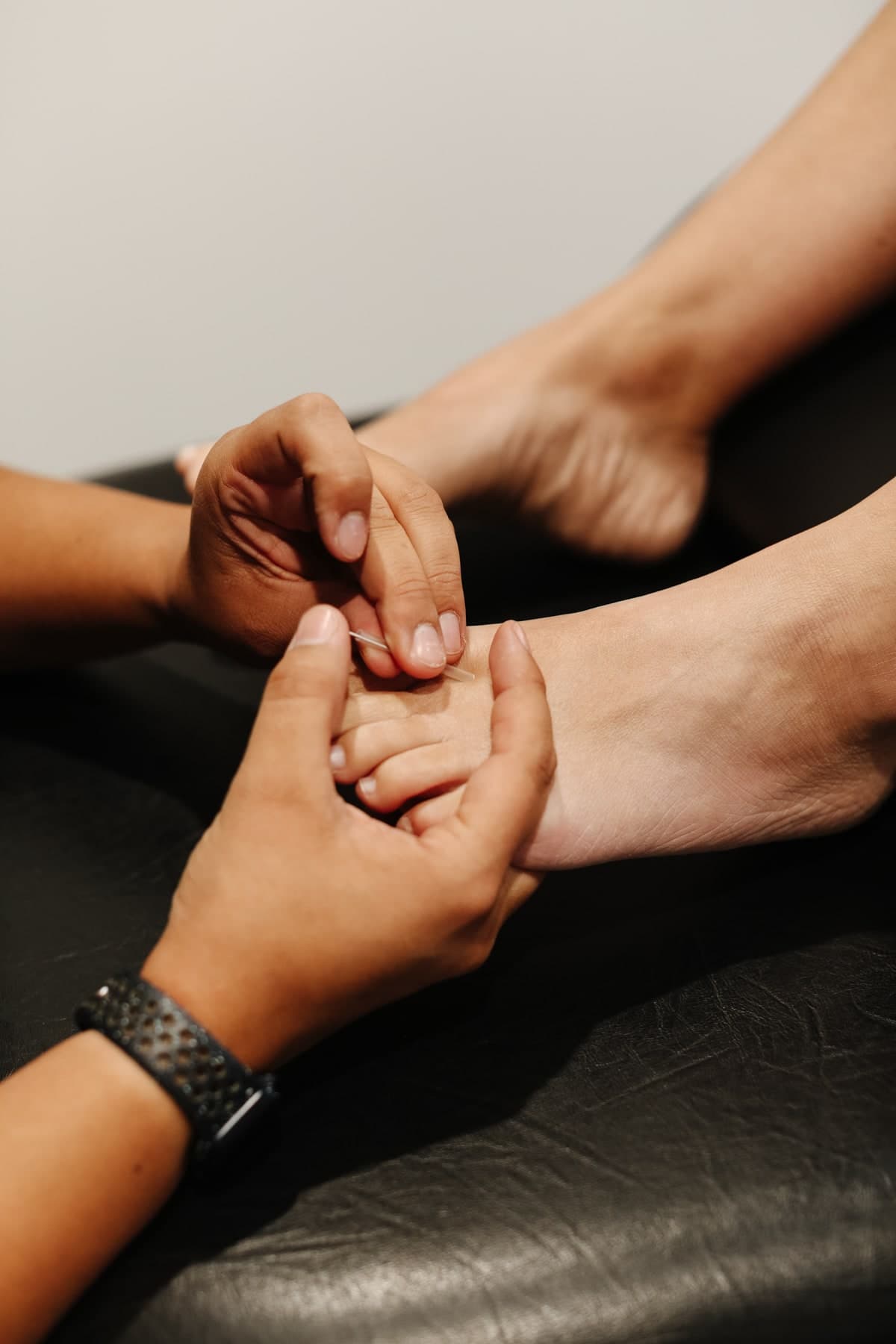
Fine needles go into the specific muscles your assessment pointed to. You may feel a brief pinch, a deep ache or a quick twitch in the muscle. Those sensations are normal.Moving Afterward
Needling is paired with exercise in the same plan, because easier movement is where lasting change tends to happen. You'll leave with things to do on your own between visits.The Day or Two After
Some muscle soreness for a day or two is common, similar to the feeling after a hard workout. Serious side effects are rare when a trained clinician performs the treatment.
Dry Needling vs Acupuncture
Both use similar needles, but they come from different backgrounds.
Dry needling is based on modern anatomy. It targets specific muscles and tissues that your assessment has pointed to. Acupuncture, as we use it at Stride, places needles at established points to help reduce pain more broadly.
You don't have to choose before you book. Your clinician will recommend the approach that makes more sense for your situation and explain the reasoning behind it.
Our Approach to Dry Needling in Swift Current
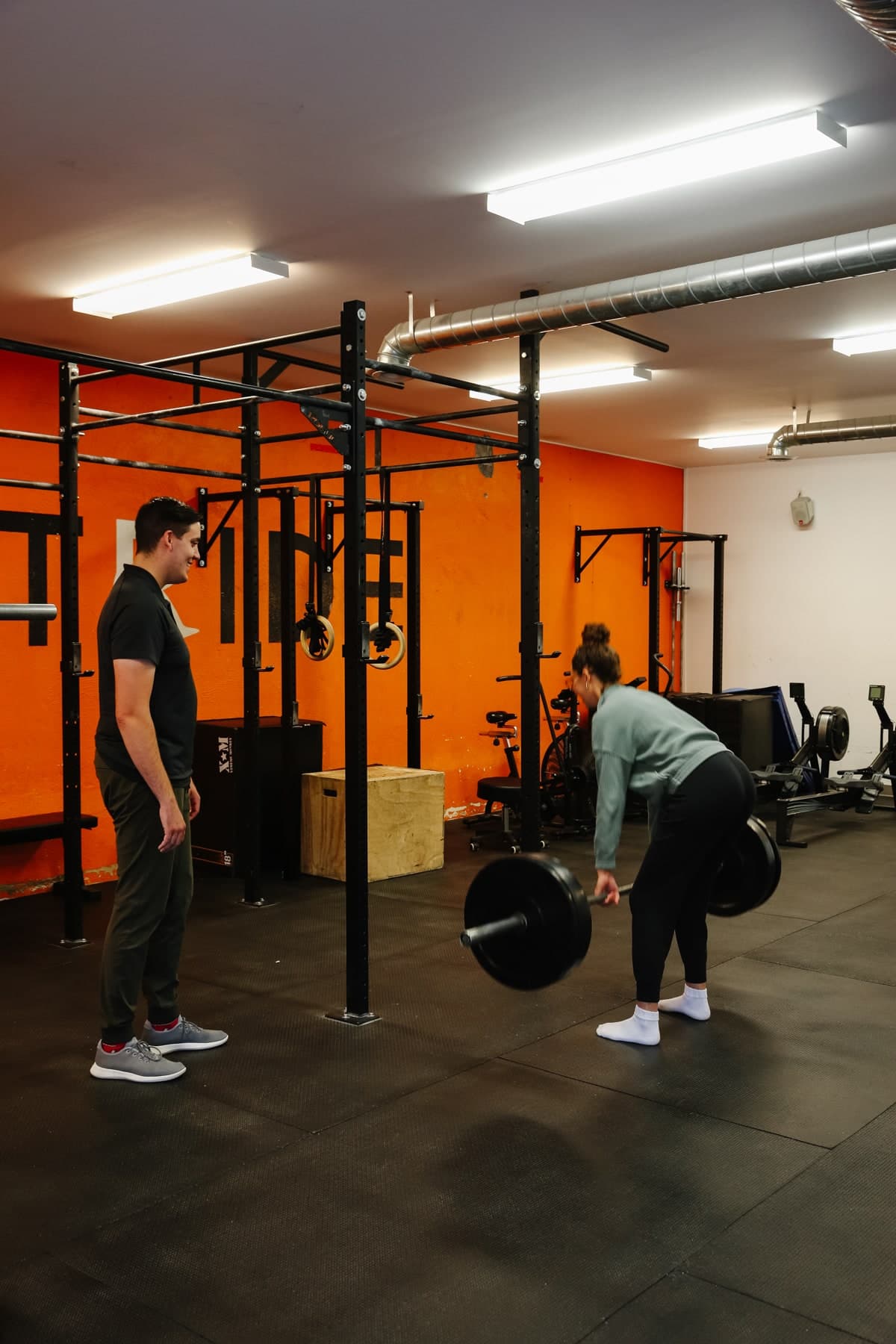
Research suggests dry needling can offer short-term pain relief for some people, especially when it's combined with exercise. That shapes how we use it. Needling can settle pain and tension enough to make moving and exercising easier, and the strength and confidence you build from there is what tends to last.
Say neck pain is making a full shift hard to get through. Needling the tight muscles may open a window to start the exercises that help. The same thinking applies to low back pain.
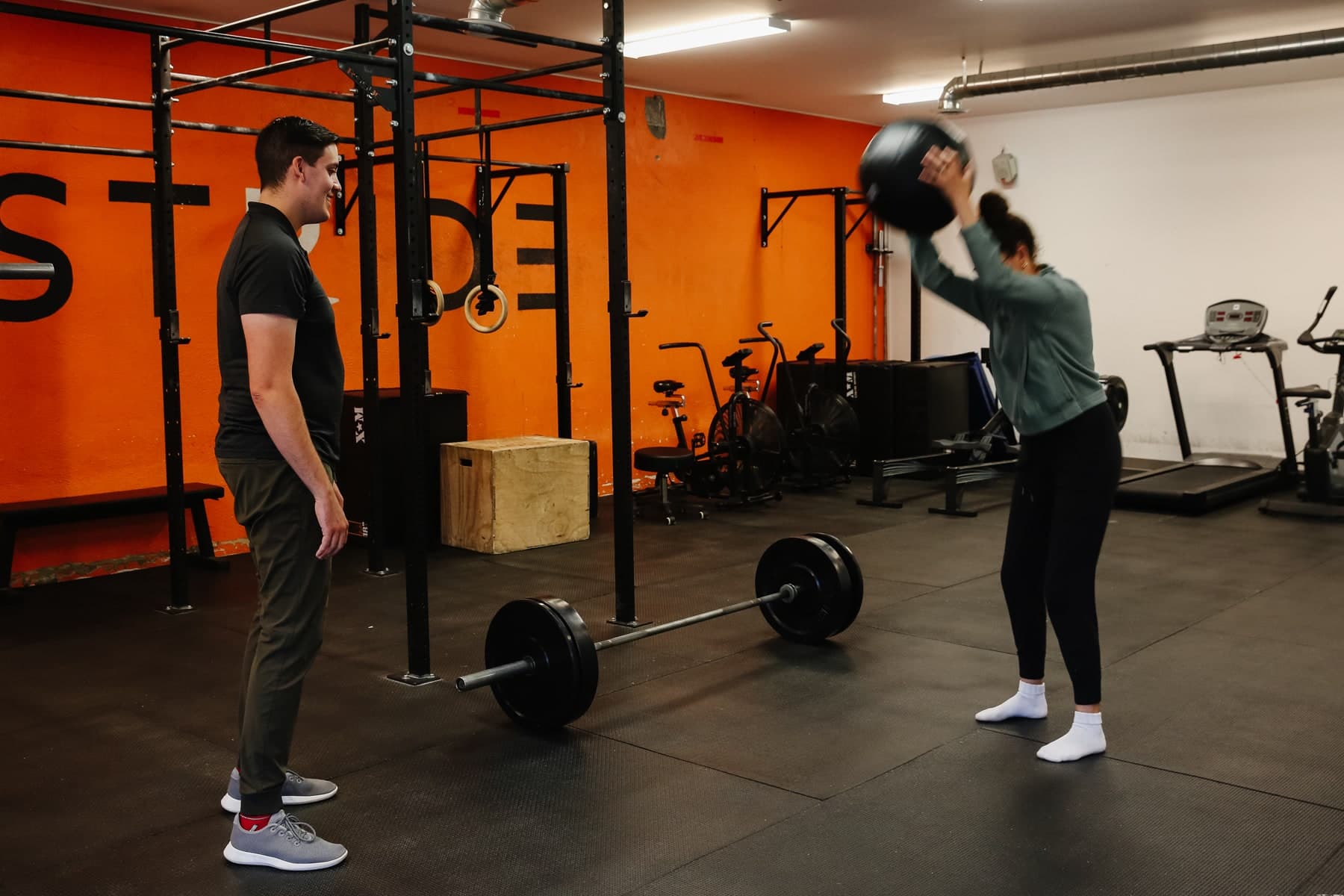
- Dry needling sits inside a plan built on exercise and education. It's there to make moving easier, not to replace the work that builds strength.
- Responses vary. One person notices a clear difference after needling, the next notices little, and we'll talk with you about which way it's going for you.
- If it isn't helping, we stop using it and look at other options, such as acupuncture, hands-on treatment or a change to your exercises.
Insurance, WCB and SGI Coverage for Dry Needling
At Stride, dry needling is delivered by a physiotherapist as part of a physiotherapy visit. Whether your extended health plan pays toward it depends on your plan's physiotherapy coverage, so check with your provider before your first visit.
You don't need a doctor's referral to see a physiotherapist in Saskatchewan. Some insurance plans ask for one before they'll cover treatment, though.
If your injury happened at work or in a car accident, bring your WCB or SGI claim number. We work with WCB and SGI and keep communication with them clear, so your treatment and your claim stay lined up.
Who Does the Needling at Stride
Dry needling at Stride is done by a physiotherapist. In Saskatchewan it's classed as a specialized procedure, which means a physiotherapist can only offer it after completing a course recognized by the Saskatchewan College of Physical Therapists, including written and practical exams.
The physiotherapist who needles you works from your own assessment findings. If you also see our registered massage therapist or another Stride clinician, we talk to each other about your care so everything fits together. Jory, the clinic owner, has worked as medical support staff with the University of Saskatchewan Huskies, and the team regularly helps hockey players and other athletes work back toward their sport.
The clinic is in Swift Current, with physiotherapy, massage therapy, acupuncture, shockwave and more in one place, so you're less likely to need a trip to Regina or Saskatoon for this kind of care.
Dry Needling Questions, Answered
How many dry needling sessions will I need?
Do I need a scan before trying dry needling?
Is dry needling okay if I'm pregnant or take blood thinners?
What if I don't like needles?
Book a Dry Needling Assessment
Start with an assessment at Stride in Swift Current, and we'll tell you whether dry needling makes sense for your pain.