Low Back Pain: Symptoms, Causes and Treatment
What's likely going on in your back and what helps it settle, from a physiotherapy team that starts every plan with an assessment.
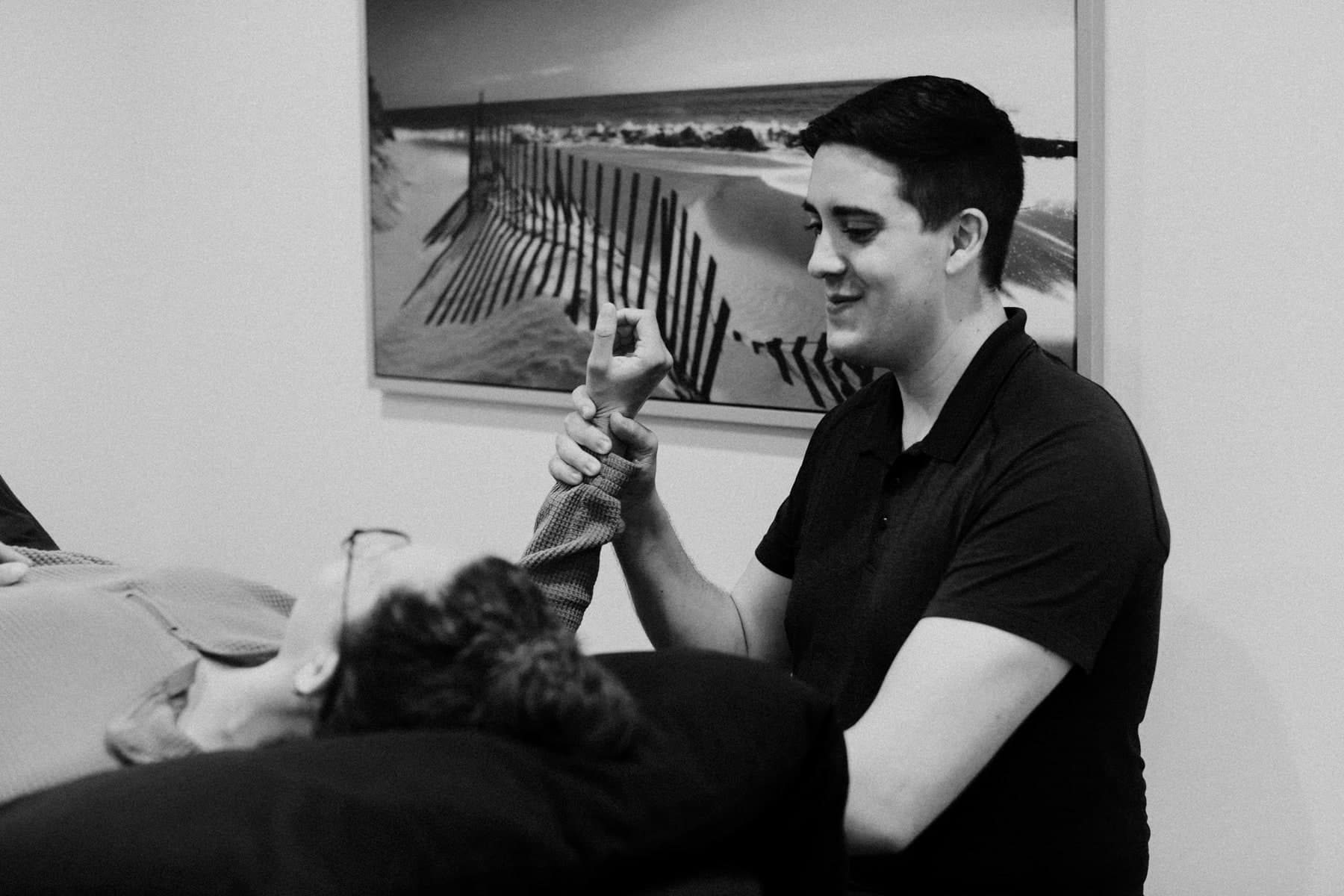
What Is Low Back Pain
Low back pain is pain, stiffness or aching between the bottom of your ribs and the creases of your buttocks. It can come on suddenly after a lift or a twist. It can also build slowly over weeks, and sometimes it spreads into the buttock or down a leg.
The lumbar spine is made up of vertebrae separated by discs and linked by small facet joints, ligaments and layers of muscle, with nerves leaving the spine on each side. Any of these can become sensitive. Pain can also be referred from the hip or pelvis, which is one reason an assessment looks beyond the spine.
The most common type is called non-specific low back pain. The label means no single structure can be identified as the cause, and it doesn't mean something has been missed. Even with a scan, pointing to one exact structure often isn't possible. That's normal, and it doesn't stop you from getting better.
Back pain turns up in physical jobs and desk jobs, in new parents, athletes and older adults. Serious damage is an uncommon cause, and significant improvement, often within a few weeks, is a common course.
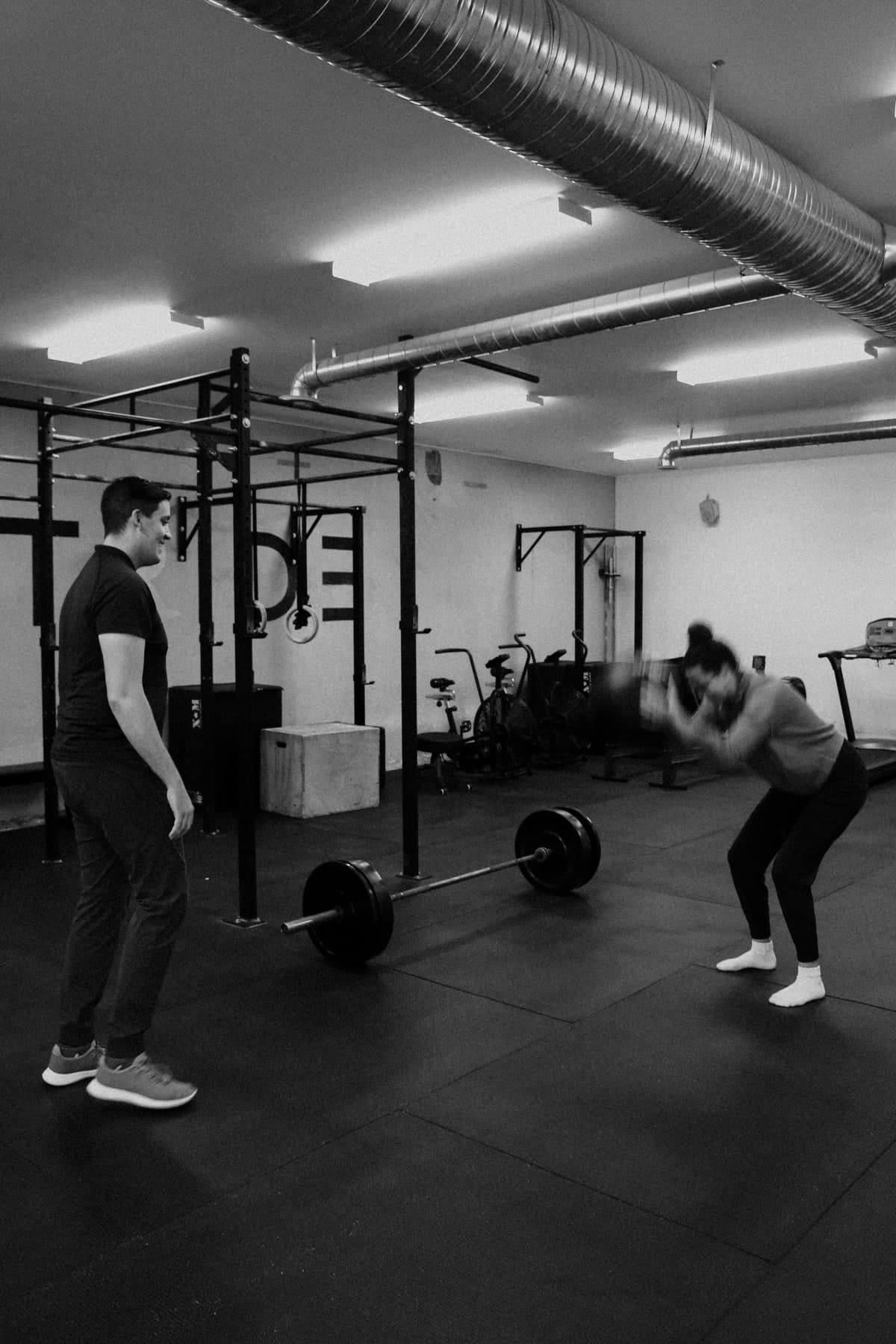
What Does Low Back Pain Feel Like
Low back pain shows up in different ways. You might feel a deep, dull ache across the belt line, a sharp catch when you bend to tie your boots, or stiffness that makes getting out of bed slow work.
Certain patterns point in particular directions. Pain, numbness or tingling that travels down the leg can mean a nerve is irritated, which is what sciatica describes. Leg pain or heaviness that builds with walking and eases when you sit or lean forward is typical of lumbar spinal stenosis. A sudden episode where your back seizes and you can barely straighten up is often a muscle strain or a locked-up back. It can be alarming, and it often settles well.
Pay attention to what changes it. Pain that's worse after a long drive, eases once you move around, or flares at the end of a shift tells your physiotherapist a lot. Morning stiffness that lasts a long time and improves with movement is worth mentioning, because it's one of the things we screen for.
How Serious Is Low Back Pain
Pain doesn't always mean damage. A locked-up back can hurt a great deal and still settle well. Lower-level pain that has hung around for months can be harder to shift, because poor sleep, stress and worry keep it sensitive.
A small number of back problems need medical care first. Every assessment screens for warning signs: changes in bladder or bowel control, numbness around the groin or inner thighs, leg weakness that's getting worse, fever, unexplained weight loss, a history of cancer, or back pain with significant morning stiffness that improves with movement. If something doesn't fit the pattern of a typical back problem, we'll tell you and help you get to your family doctor, a specialist or emergency care.
If you have new trouble controlling your bladder or bowels, or numbness in the groin area, go to the emergency department right away.
Scans are a common question. For low back pain, imaging rarely changes treatment, and scans often show normal age-related changes, the kind that are common, even in people without pain. That's why an X-ray or MRI isn't recommended for most back pain. When imaging is warranted, we'll recommend it or talk with your doctor about it.
Types of Low Back Pain We Assess and Treat
Non-Specific Low Back Pain
Disc-Related Pain and Sciatica
Lumbar Spinal Stenosis
Arthritis and Age-Related Changes
Sacroiliac Joint and Pelvic Pain
Back and Pelvic Pain During or After Pregnancy
Muscle Strains and Locked-up Episodes
Spondylolisthesis and Stress Injuries in Young Athletes
How We Assess Low Back Pain
Back pain can come from many sources, and the right plan depends on what's driving yours. The first visit is built around finding that out before any treatment starts.
A Conversation First
We ask how the pain started, what makes it better or worse, how it's affecting your sleep, work and activities, what you've tried and what you want to get back to. Your answers often tell us more than any single test.Checking How You Move
Your physiotherapist watches how you bend, twist and walk, and notes which movements bring the pain on and which ease it.Testing the Nerves
If you have leg symptoms, we test strength, reflexes and sensation in your legs and use nerve sensitivity tests to see whether a nerve is involved.Screening the Hips, Pelvis and Warning Signs
Hips and pelvis can sometimes cause back pain, so they get checked too, along with the signs that mean a doctor should see you first.A Plan You Agree On
Before you leave, we explain what's likely going on, answer your questions and agree on a plan: what we'll work on in the clinic, what you can do at home and roughly how long recovery may take.

How We Treat Low Back Pain in Swift Current
Treatment at our Swift Current clinic is shaped by what your assessment found and what you want to get back to, be it a full shift, a long drive or a night's sleep. Physiotherapy for back pain here follows a few principles:
- Understanding your pain: we explain what's likely going on. Knowing your back is strong and capable is a big part of recovery.
- Staying active, with exercise you'll do: bed rest generally slows recovery. We find movements that feel manageable and build from there. No single type of exercise has been shown to be best for back pain, so yours are chosen to suit your body, your goals and your routine.
- Hands-on care when it helps: manual therapy, massage, dry needling or acupuncture may ease pain in the short term so it's easier to move. They support the plan rather than replace it.
Early on, the focus is settling pain and getting you moving with less worry. Later, exercises progress toward the loads your life asks of you: lifting at work, carrying a toddler, running or getting back on the ice.
Between visits you'll have a short set of exercises to do at home. We'll also talk about sleep, stress, work demands and worry about your back, since all of them affect pain. Back pain can come back, so you'll leave with a plan for handling flare-ups on your own. If you want to keep building strength once you've recovered, our coaching program picks up where rehab leaves off.
How Long Does Low Back Pain Last
Significant improvement within a few weeks is common, especially after a sudden episode. The first days of a locked-up back can be the hardest, and those episodes often settle faster than the first day suggests.
Pain that has lasted months, or keeps coming back, usually takes longer. That doesn't mean it won't improve. It means the plan leans more on building strength and confidence over time, and less on quick relief.
Several things can shift your timeline: how long the pain has been there, whether a nerve is involved, how well you're sleeping, stress and worry about your back, and how much your work asks of your body. Staying active within comfortable limits tends to help. Long stretches of rest tend to slow things down.
You'll get an estimate at your first visit based on what we find, and we'll review it as you go. Sometimes that means fewer visits than you expected. For people driving in from around Southwest Saskatchewan, a plan built on home exercise can also mean fewer trips into Swift Current.
Common Questions About Low Back Pain
Do I need a doctor's referral to see a physiotherapist for back pain?
How long should I wait before booking an appointment for back pain?
Should I keep working with low back pain?
What should I wear to my first appointment for back pain?
Book Low Back Pain Treatment in Swift Current
Your first visit ends with an explanation of what's likely going on in your back and a few things you can start doing right away.