Physiotherapy After a Car Accident in Swift Current
After a motor vehicle accident (MVA), neck pain, headaches, stiffness or dizziness can show up right away or over the following days. A thorough assessment sorts out what's injured and what needs attention first.
What Happens to Your Body in a Collision
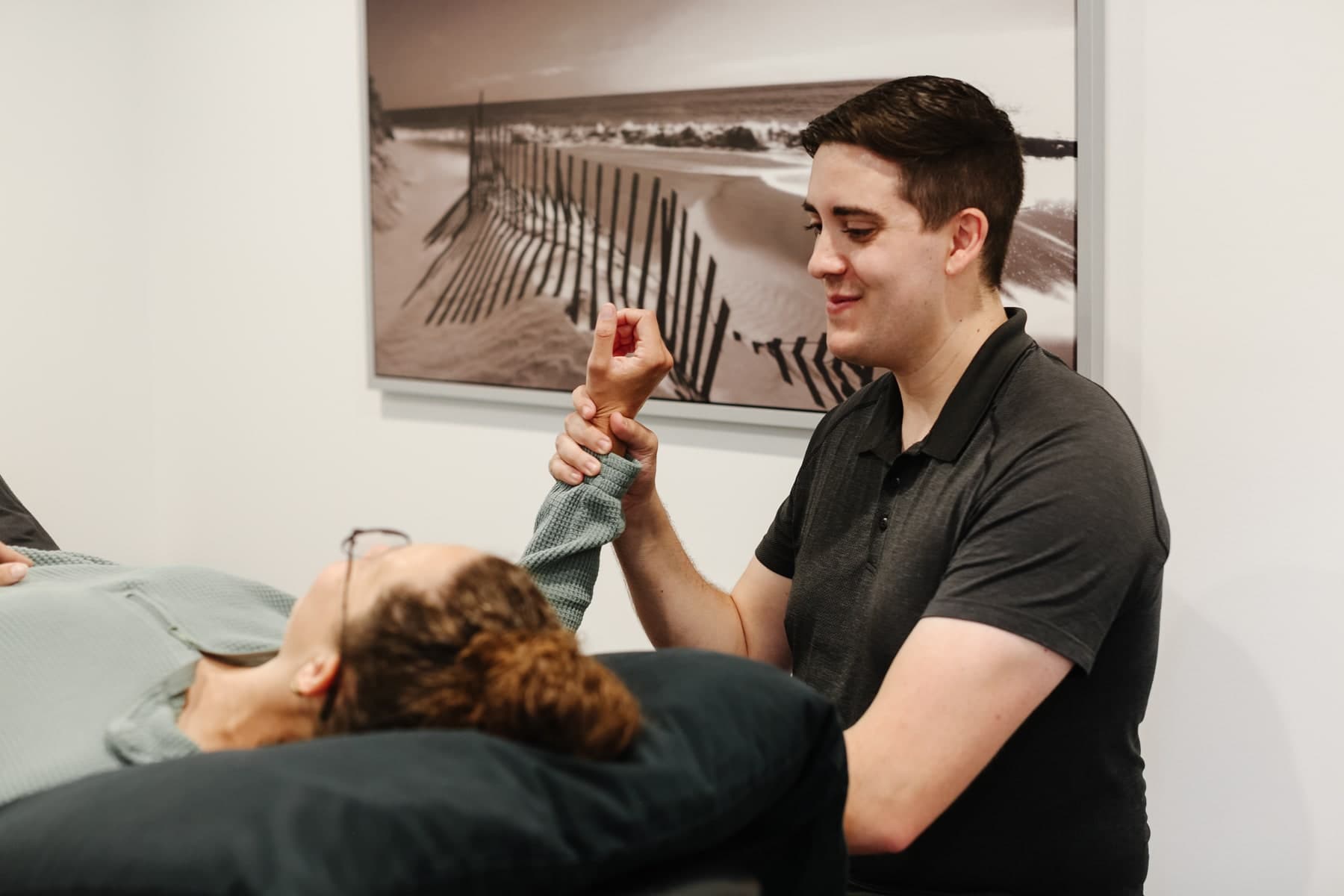
A collision moves your body faster than your muscles can react. Your head and neck whip forward and back. The seatbelt locks your chest and shoulder in place, your back takes a jolt through the seat, and your hands and knees may brace hard against the wheel or dashboard. Each of those movements can strain muscles, ligaments and joints.
Whiplash is the common name for injury to the soft tissues of the neck from that sudden back-and-forth movement: the muscles, the ligaments and the small joints between the vertebrae. Clinicians often call it whiplash-associated disorder, or WAD, and you may see that term on a doctor's note or insurance paperwork.
Car accidents, which doctors and insurers call motor vehicle accidents or MVAs, can affect several parts of the body at once. A sore neck can sit alongside a headache coming from the neck, a strained shoulder from the seatbelt, a concussion or a jammed wrist. Injuries can seem minor at the scene and still leave you sore and stiff later. Because symptoms don't always point clearly to where the problem is, your first visit looks at the full picture before treatment begins.
Injuries We See After Car Accidents
Concussion
Dizziness and Balance Problems
Rehabilitation After Fractures or Surgery
What It Feels Like After a Collision
Symptoms can show up right away or develop over the hours and days after a crash. It's possible to feel fine at the scene and wake up the next morning with a stiff, aching neck.
Typical symptoms include neck pain and stiffness that's worse when you turn your head to check a blind spot, headaches that begin at the base of the skull, aching between the shoulder blades or in the low back, and soreness across the chest or shoulder where the seatbelt held you. You may also notice dizziness, fogginess or trouble concentrating. Those can point to a concussion or to a problem with the inner ear and balance system, and they deserve a proper check.
The effects aren't only physical. Poor sleep, worry about what's been injured, nervousness behind the wheel and the stress of a claim can all affect how you heal. Mention them at your first visit, because they shape the plan as much as the sore spot does.
How Serious Is It and When to See a Doctor First
Soft tissue injuries like whiplash range from mild stiffness that eases over a few days to pain that limits how far you can turn your head and makes work hard for weeks. Higher pain early on can mean a longer recovery. That isn't a reason for alarm, and it's something we watch for so your care can change with it.
Some injuries need medical care before physiotherapy. If you've been in a collision, go to the emergency department or call 911 if you have severe neck pain with numbness, tingling or weakness in your arms or legs.
The same applies to a headache that keeps getting worse, repeated vomiting, confusion or increasing drowsiness. Dizziness with trouble speaking, double vision or difficulty swallowing also needs urgent care.
Changes in bladder or bowel control, numbness around the groin, chest or abdominal pain, or pain that's severe and not easing are all reasons to be seen by a doctor right away.
We screen for these warning signs as part of every assessment. If something doesn't fit the pattern we'd expect, we'll tell you and help you get to the right place, whether that's your family doctor, a specialist or emergency care.
How We Assess Injuries After a Collision
Your first visit is about understanding the whole picture before treatment begins. Wear comfortable clothing that lets us see and move the areas that hurt.
Talking Through the Accident
We'll ask how the collision happened, where you were sitting, what symptoms you've noticed and when they started. We'll also ask how you're sleeping, how you're coping and what you need to get back to at work and home. Your answers help us decide what needs attention first.Checking How You Move
We look at how your neck, back and any other sore areas move, and which movements bring on your symptoms.Testing the Nerves
Strength, reflex and sensation testing shows whether a nerve is involved, which matters if you have numbness, tingling or weakness in an arm or leg.Concussion Screening When It's Needed
If you hit your head or have headaches, fogginess or dizziness, we include balance and eye movement tests.Assessing Other Injured Joints
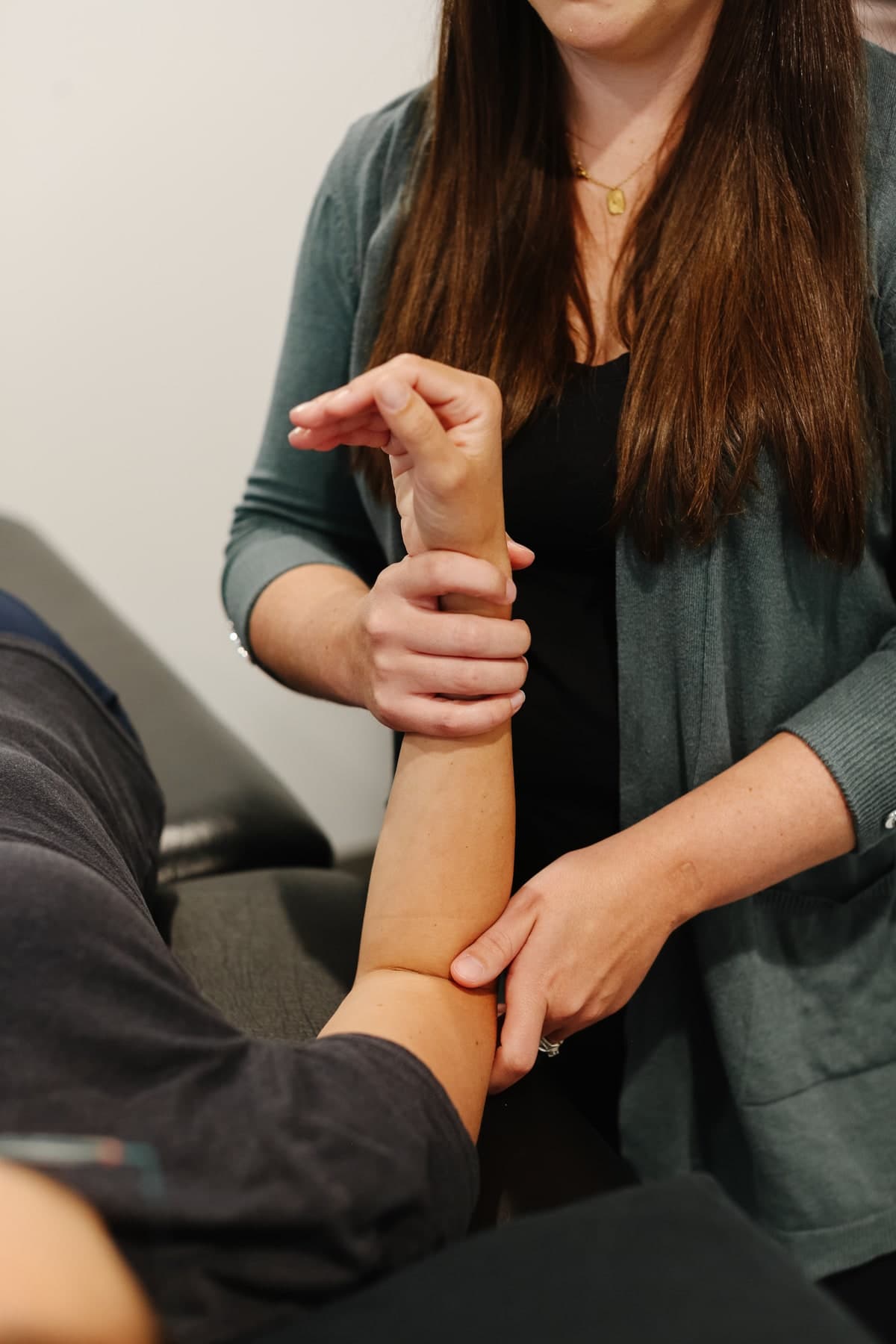
Shoulders strained by the seatbelt and knees, wrists or hands hurt while bracing get their own examination.Agreeing on a Plan Together
Before you leave, we explain what's likely going on, confirm nothing needs medical attention first, and set out a plan for each area. You'll leave with a few things you can do at home and a rough idea of how long recovery may take.
How We Treat Car Accident Injuries in Swift Current
At Stride Physio and Performance in Swift Current, treatment is built around your assessment findings and your goals rather than a standard protocol for a diagnosis. Physiotherapy after a collision rests on these principles:
- Understanding your injuries: we'll explain what's likely going on, what to expect and how long recovery tends to take. Knowing these injuries often heal well can ease a lot of worry.
- Staying active: gentle movement and a gradual return to normal activity support recovery. We'll help you find what's manageable now and build from there.
- Exercise that fits you: mobility and strengthening exercises are among the best-supported treatments for neck and back pain after a collision.
Early on, the focus is easing pain and keeping you moving within comfortable limits. As things calm down, exercises progress toward the strength and tolerance your work, driving and home life ask of you. Between visits, you'll have a short set of exercises and clear guidance on how much activity to aim for.
Manual therapy, massage, dry needling or acupuncture can help ease pain and stiffness so it's easier to move. We use them alongside exercise, not instead of it. If you've had a concussion or ongoing dizziness, your plan can include concussion management and vestibular rehabilitation under the same roof. When sleep, stress or anxiety about driving are slowing things down, we'll talk about them, and if support from your doctor or a mental health professional would help, we'll let you know.
How Long Recovery Takes After a Car Accident
Neck pain and other soft tissue injuries after a collision often improve substantially over the first few weeks to months. That's a range rather than a promise, and several things move it.
Recovery can take longer when pain is high early on, when the accident was especially stressful, or when several areas were hurt at once. Sleep, stress and how soon you return to gentle activity play a part too. A concussion, a fracture or surgery each follows its own timeline.
A slower recovery doesn't automatically mean something serious was missed. We track how your symptoms behave over time so we can adjust your plan and bring in other support when it's needed.
Getting Back to Work, Driving and Daily Life
If you were hurt in a collision, bring your SGI claim number to your first appointment. We communicate clearly with SGI about your assessment and progress. What your claim covers depends on its details, so your adjuster is the person to confirm it.
Returning to your job and your responsibilities at home is part of the plan from the first visit. We'll map out a gradual, realistic return that fits what your work asks of your body, from a full shift on the farm or a job site to long hours at a desk. If driving makes you anxious since the accident, raise it with us. It's part of recovery too.
We help people from Swift Current and across Southwest Saskatchewan recover after motor vehicle collisions. Once you're feeling better, our coaching program can help you keep building strength and fitness so you're more resilient going forward.
Common Questions About Car Accident Injuries
Should I wear a neck collar or rest after a car accident?
Do you treat MVA injuries with an SGI claim?
Do I need a doctor's referral to see a physiotherapist after an accident?
How soon after a car accident should I book an appointment?
Do I need an X-ray or MRI after a car accident?
Book a Car Accident Assessment in Swift Current
Bring your SGI claim number and wear comfortable clothing. We'll work out what's injured, what needs attention first and how to get you moving again.