Shoulder Pain: Symptoms, Causes and Treatment
Reaching overhead, pulling on a jacket or sleeping on your side shouldn't be a daily fight. We work out what's driving your shoulder pain and build a plan to help you get back to working, training and sleeping comfortably.
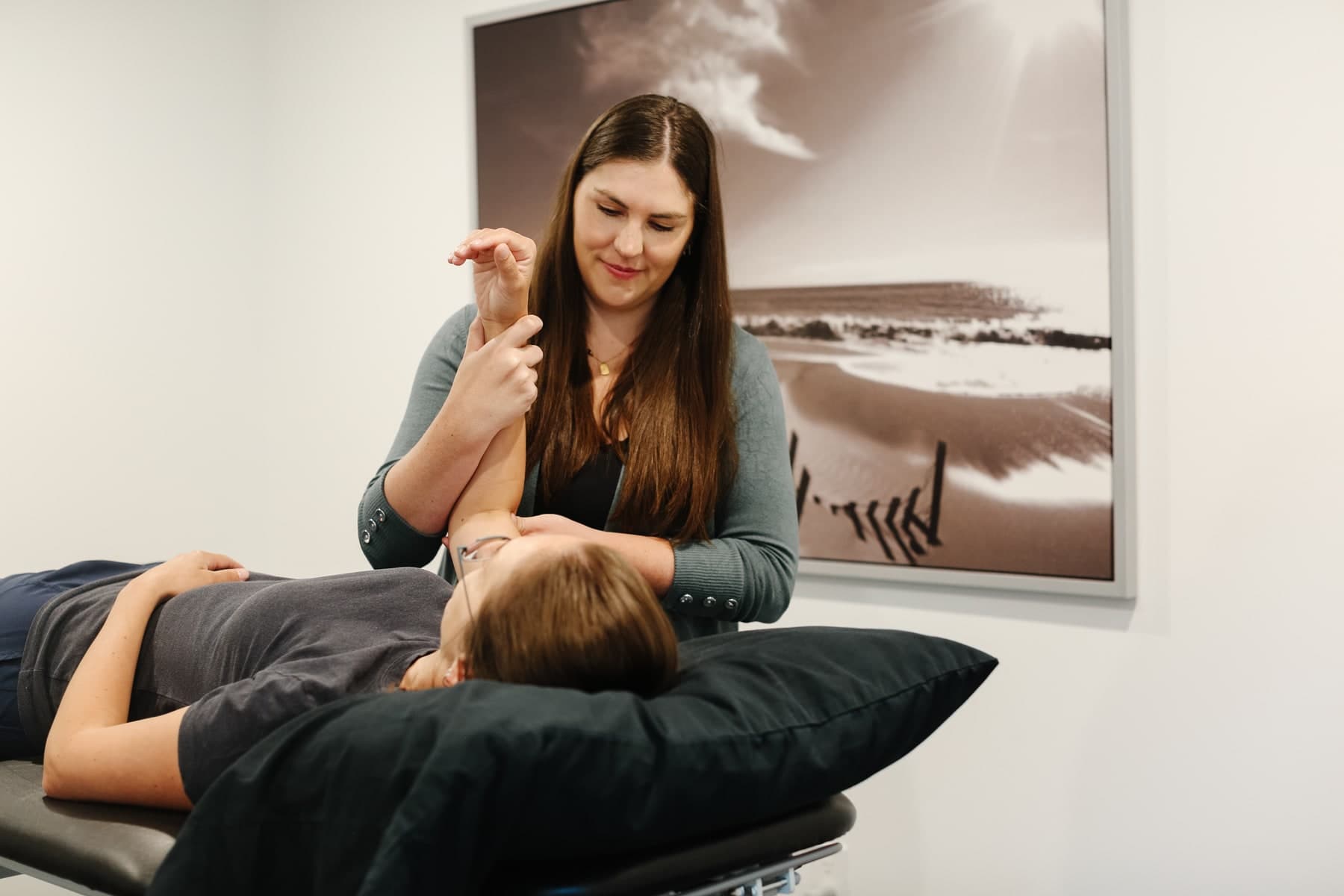
What Is Causing Your Shoulder Pain
Shoulder pain is a symptom, not a diagnosis. The shoulder is a ball-and-socket joint held in place by the rotator cuff, a group of small muscles and tendons that wrap around the top of the arm bone. Pain can come from those tendons, from the bursa (a fluid-filled sac that cushions them), from the joint capsule and the cartilage rim called the labrum, from the AC joint where the collarbone meets the shoulder blade, or from your neck.
The words on a scan report or a referral can be confusing. Rotator cuff tendinitis, tendinopathy, shoulder impingement and bursitis often describe the same thing: an irritated rotator cuff and the tissue around it. Adhesive capsulitis is the medical name for frozen shoulder, where the joint capsule tightens and stiffens. A separated shoulder is an injury to the AC joint, not the main shoulder joint.
Shoulder pain can start after a fall, a heavy lift or a hit along the boards. It can also build slowly with no clear cause, after stretches of overhead work, throwing, lifting or a change in training. Rotator cuff changes become more common as we age, and contact sports and overhead sports put the joint and labrum under extra strain.
At Stride Physio and Performance in Swift Current, the first job is working out which of these is behind yours, because the right plan for a stiff frozen shoulder looks nothing like the plan for a loose one.
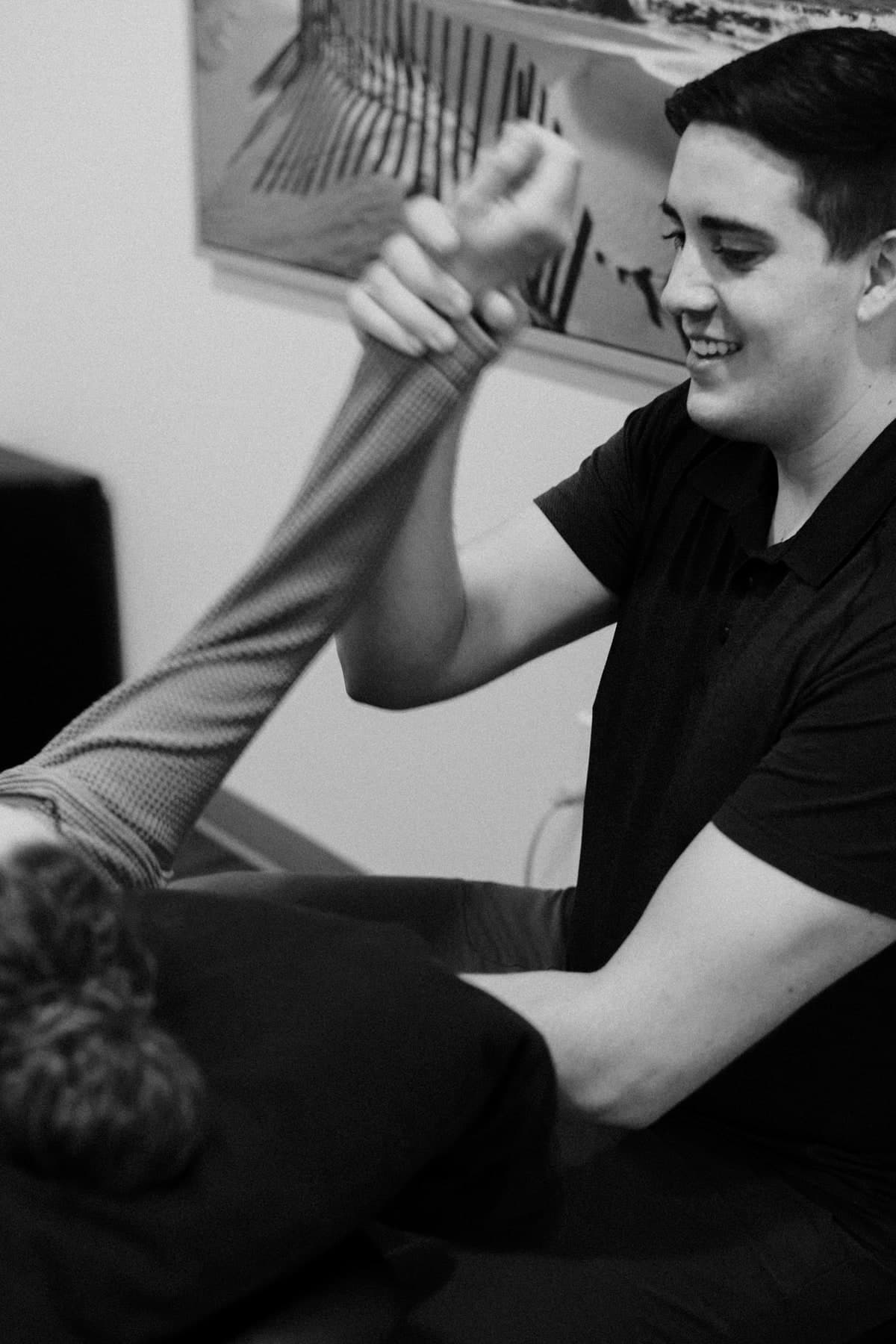
What Does Shoulder Pain Feel Like
Rotator cuff pain often sits on the outside of the upper arm rather than right on top of the shoulder. It tends to flare when you reach overhead, put on a jacket, lift groceries away from your body or throw a ball. Lying on that side at night can bring on a deep ache that wakes you.
Frozen shoulder feels different. Pain may be strong early, then the shoulder stiffens in every direction, so reaching behind your back or out to the side gets harder whether you move the arm yourself or someone moves it for you.
A shoulder that slips, clunks or feels loose points toward instability or a labral problem. Tenderness on top of the shoulder after landing on it suggests the AC joint. Pain that spreads from your neck into the shoulder blade or down the arm, especially with tingling or numbness, may be coming from the neck instead of the shoulder itself.
Shoulder Conditions We Assess and Treat
Rotator Cuff Pain and Tendinopathy
Shoulder Impingement and Bursitis
Rotator Cuff Tears
Frozen Shoulder (adhesive Capsulitis)
Shoulder Dislocation and Instability
AC Joint Injuries (separated Shoulder)
Shoulder Arthritis
Calcific Tendinopathy
Labral and SLAP Tears
Rehab Before and After Shoulder Surgery
How Serious Is My Shoulder Pain
Severity depends less on what a scan shows and more on how your shoulder works. Mild rotator cuff pain may ache with certain movements and leave your strength intact. A more irritable shoulder can hurt at rest and wake you at night. With a partial tear, some tendon fibres are damaged, while a full-thickness tear goes all the way through. Tears that develop gradually often do well with exercise-based rehab. A sudden, larger tear after an injury, especially in younger or highly active people, may benefit from a surgeon's opinion within a few weeks, and if we suspect one, we'll help you get that referral quickly.
A scan often isn't needed right away. Rotator cuff changes, including tears, become common with age and turn up on scans of shoulders that don't hurt at all, so an image doesn't always explain your symptoms. Imaging helps after a significant injury, when a large tear is suspected or when surgery is being considered. We'll recommend it, or talk with your doctor about it, when it's needed.
Surgery isn't usually the first step either. For rotator cuff pain without a major tear, a structured exercise program leads to similar results as surgery, and shaving bone to make more room (decompression surgery) has been shown to work no better than a placebo surgery.
Some shoulder problems need medical care before physiotherapy. See your doctor if you can't lift your arm after a fall, the shoulder looks deformed or won't go back into place, it's hot, red and swollen with a fever, your arm or hand swells, changes colour or feels heavy, or weakness and numbness are getting worse. Fever, unexplained weight loss or a history of cancer also need to be checked. If shoulder or arm pain comes with chest pain, shortness of breath, sweating or nausea, call 911 right away. Heart problems can be felt in the shoulder.
How We Assess Shoulder Pain
Your first visit is about understanding your shoulder before treating it. Wear something that lets us see and move your shoulder and shoulder blade.
We Ask How It Started
Was there a fall or a lift? Where do you feel it, does it wake you at night, and does the arm feel weak or unstable? We'll also ask what you need to get back to. Your answers often point us in the right direction before any testing.We Check How Your Shoulder Moves
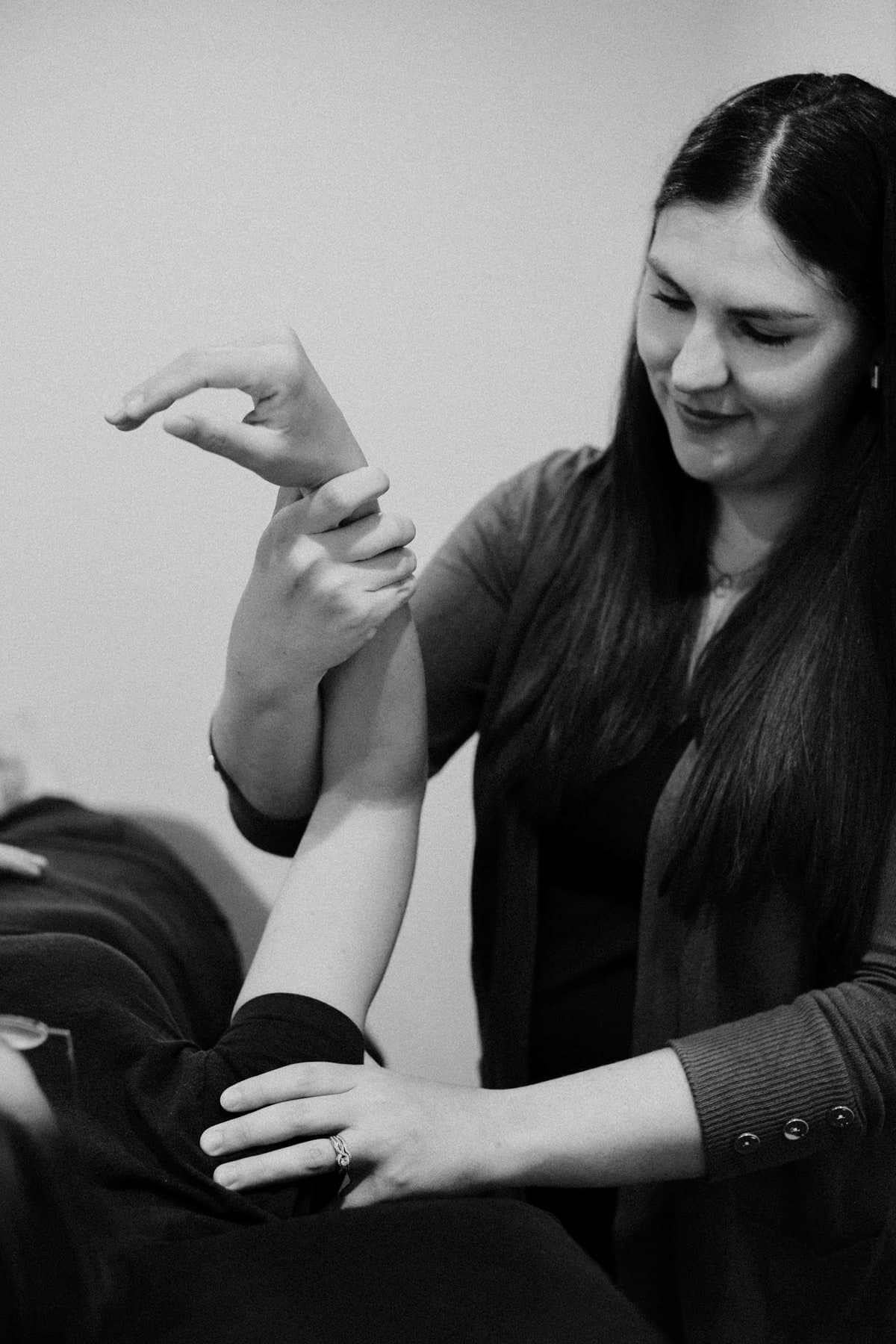
We watch it move on its own, then move it for you. A shoulder that's stiff both ways tells us something different from one that only hurts when you lift it yourself.We Test Strength and Specific Structures
Rotator cuff strength in different positions, plus specific tests for stability, the AC joint and the labrum, depending on your symptoms.We Look Beyond the Shoulder
How your shoulder blade and upper back move, and a screen of your neck, a common source of pain felt in the shoulder.We Explain What We Found
We rule out anything that needs medical attention, narrow your pain down to a few likely causes and agree on a plan together, including a few things you can start at home.
Our Approach to Shoulder Pain in Swift Current
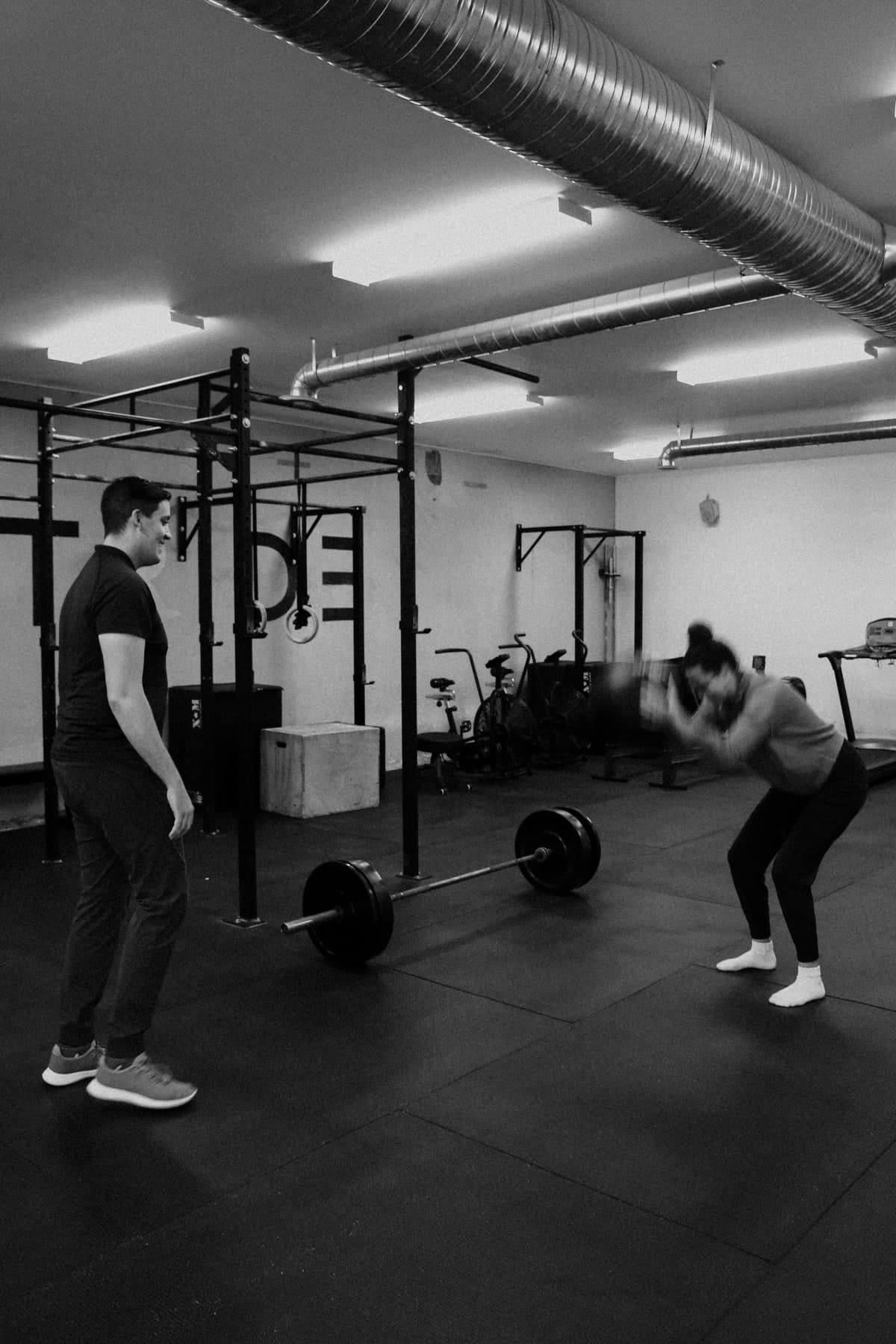
At Stride Physio and Performance in Swift Current, treatment is built from your assessment and your goals rather than a set protocol for a diagnosis. Early on, the aim is to settle the shoulder without stopping everything. Later, the work shifts to building strength and getting back to the tasks that hurt.
- Progressive strengthening: gradually loading the rotator cuff and the muscles around the shoulder blade has strong research support for shoulder pain. We start where your shoulder is comfortable and build from there.
- Managing your load: we'll help you adjust work tasks, lifting, overhead jobs or training so the shoulder can settle while you keep moving.
- Hands-on care and other tools when they help: manual therapy, massage, dry needling, acupuncture or shockwave may ease pain in the short term so exercise is easier. They support the plan rather than replace it.
Between visits you'll have a few exercises to do at home and clear guidance on what to ease off and what to keep doing. For frozen shoulder or a highly irritable rotator cuff, an injection from your doctor can help settle pain so you can make progress with exercise, and we'll tell you when it's worth discussing. The last phase is a step-by-step return to whatever you're aiming for: sleeping through the night, a full shift, or the rink, gym or ball diamond.
How Long Does Shoulder Pain Take to Recover
There's no single timeline, because shoulder pain covers several different problems. A mildly irritated rotator cuff that's caught early and loaded well may settle over weeks. A shoulder that's been sore for a long time, or one that wakes you every night, often takes longer.
Frozen shoulder is the slow one. Recovery often takes many months, and it does improve over time. Physiotherapy helps you manage the pain, keep as much movement as you can and rebuild strength as the stiffness eases.
After a dislocation, a significant tear or surgery, the timeline depends on the injury, the procedure and your surgeon's guidance. Returning to contact sport or heavy overhead work usually takes the longest.
Several things move the timeline: how long you've had the pain, how irritable it is, your general health, sleep and stress, the demands of your work or sport, and how consistently you do your home program. At your first visit we'll give you a rough estimate for your shoulder and adjust it as we see how you respond.
Once you're feeling better, our coaching program can help you keep building strength so your shoulders hold up better for work, sport and daily life.
Common Questions About Shoulder Pain
Do I need a doctor's referral to see a physiotherapist for shoulder pain?
How long should I wait before booking an appointment?
My shoulder was hurt at work or in a car accident. Can you help?
Should I wear a sling or rest my shoulder completely?
Can I treat shoulder pain at home?
Book a Shoulder Assessment in Swift Current
If your shoulder is limiting your work, training or sleep, book an assessment at our clinic in Swift Current and leave with a clear plan for what to do next.