Ergonomic Assessments in Swift Current
We look at your workspace, your tasks and how you move through your day, then give you practical changes to help you work more comfortably.
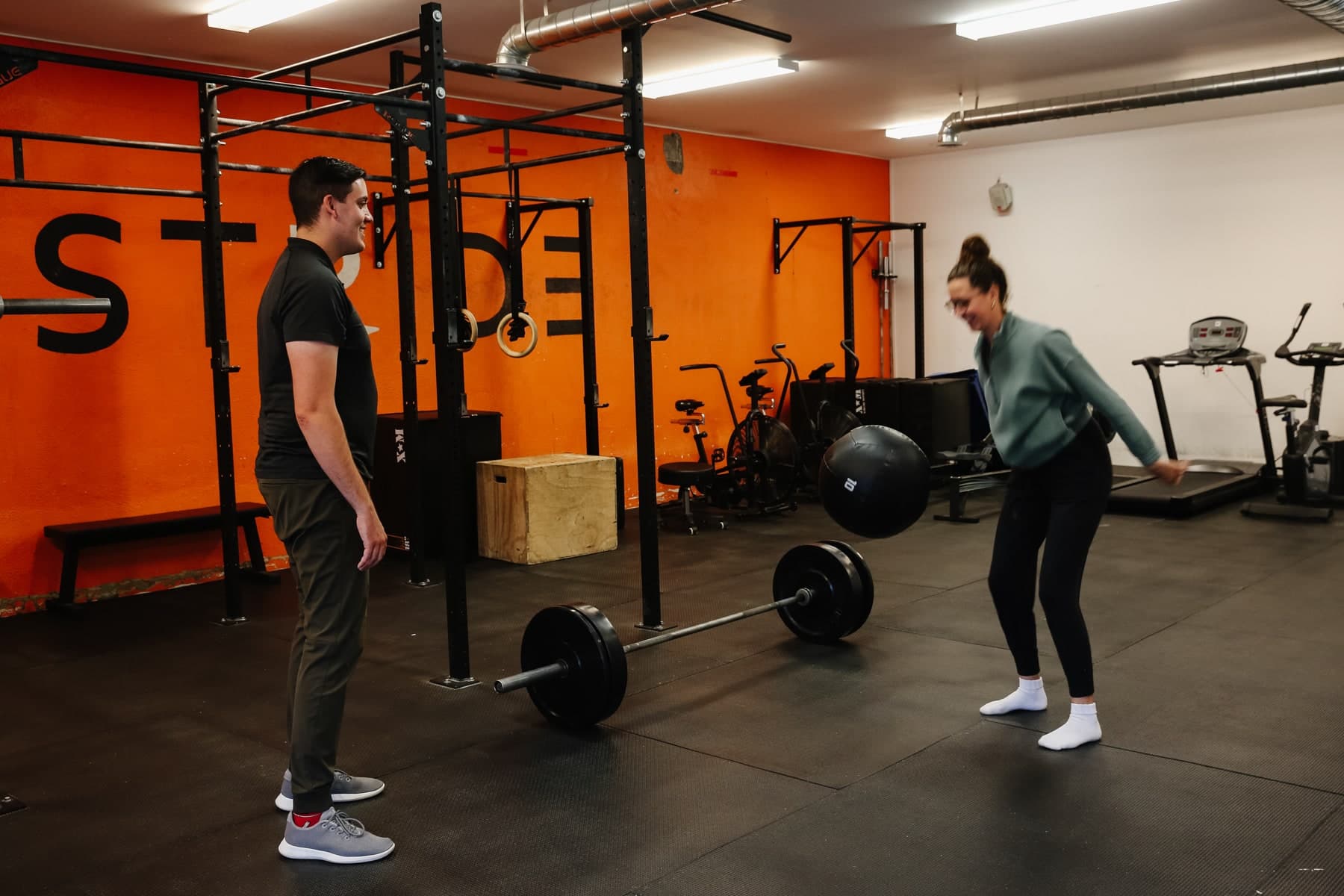
- Physiotherapists
- Registered clinicians deliver each ergonomic assessment
- Written summary
- Recommendations you can share with your employer
- WCB and SGI
- Claim communication and return-to-work planning
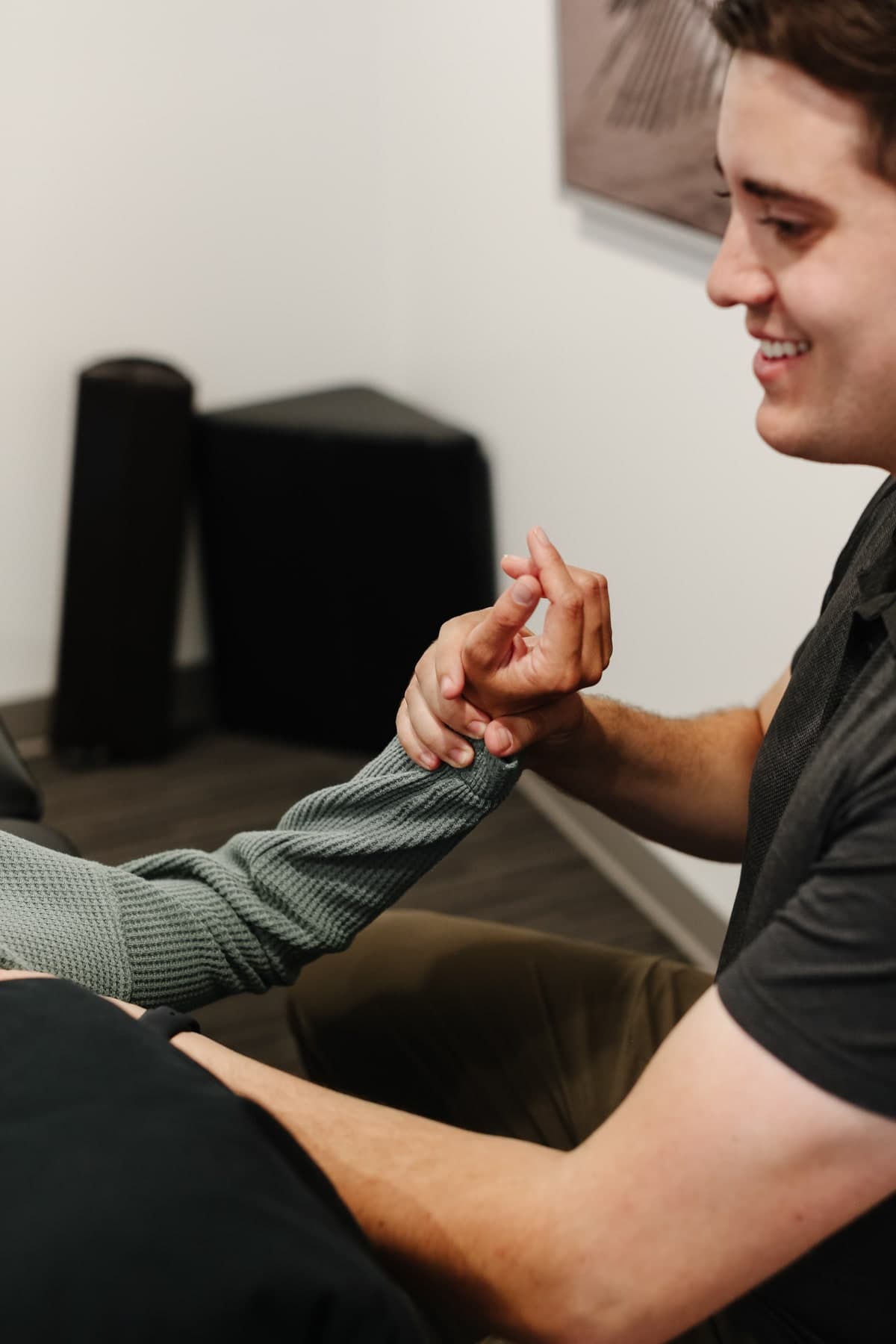
What Is an Ergonomic Assessment and Who Is It For?
The way your work is set up can shape how your body feels by the end of the day. An ergonomic assessment looks at where you work and how you move through your day there. You leave with changes you can make, not a shopping list.
It's built for you if neck, back, shoulder, wrist or elbow pain seems to track with your work. It also fits workers heading back to their job after a workplace injury, and anyone working from home at a kitchen table or a borrowed desk.
Employers book it too. Some want to support staff comfort. Others want to reduce the time off that discomfort can lead to.
What Ergonomic Assessments Can Help With
Wrist Pain from Keyboard and Mouse Use
Laptop and Home Office Discomfort
Returning to Work After an Injury
What an Ergonomic Assessment Involves
Each step builds on the one before it, and the focus follows the tasks that take up most of your day.
We ask about your job and your pain
We start with your work: what a normal day involves, which tasks fill the most hours, and any pain or discomfort you're dealing with. Timing matters too. Pain that builds by mid-afternoon tells us something different from pain that's there when you wake up.We watch how you work in your space
Your chair, desk, screen, keyboard and mouse all get a look, along with the lighting. Watching you work in that setup tells us more, because how you sit, reach and shift during a task can matter as much as the equipment itself.We recommend practical changes
That may mean adjusting the setup you already have so it fits your body, or a low-cost equipment change when it's worth it. We'll also find ways to build more movement and position changes into your day, give tips for phone use, laptop work or long meetings, and show you exercises for any areas that are bothering you.You get a short written summary
Our recommendations go home with you in writing. Share the summary with your employer if you need a change made at work, or keep it as a reference while you settle into the new setup.
Is an Ergonomic Assessment Covered by Insurance?
Coverage depends on your plan. Some extended health plans include services delivered by a physiotherapist and some don't. Call your provider and ask whether an ergonomic assessment is included before you book.
Returning to work after a workplace injury? Bring your WCB claim number. We communicate with WCB and help plan realistic returns to work, and the assessment can feed into that planning. The same goes for an SGI claim after a car accident that's affecting how you work.
We'll confirm the fee with you before the assessment starts, so there are no surprises on the day.

Our Approach to Ergonomic Assessments in Swift Current
There's no single perfect posture or perfect chair. Your body tends to do best when it moves and changes position through the day, in a setup that fits you and the work you do. That's why our recommendations lean toward changes you can make this week, not expensive equipment you may not need.
- Adjust what you already have first. Raising a screen or moving a keyboard closer costs nothing.
- Recommend equipment only when it's worth the money. If you don't need a new chair, we'll tell you.
- Treat your body alongside your desk. If you're already in pain, the assessment works best next to physiotherapy, not in place of it.
Assessments are done by our physiotherapists, the same clinicians who treat neck pain and back pain here in Swift Current. Changing your workspace can reduce the things that keep stirring up your symptoms. Treatment helps your body get stronger and more tolerant of the work itself. If you see more than one of our clinicians, we talk to each other so the advice you get for your desk matches the plan you're following in the clinic.
Ergonomic Assessments for Employers
We work with employers to assess individual workstations, support staff returning from injury and help plan modified duties. Our recommendations stay practical and budget-conscious, and they focus on what's most likely to help the person doing that job.
Employers in Swift Current and the surrounding communities can book an assessment for one employee at a time. When a staff member is coming back from an injury, we can line our workspace recommendations up with their return-to-work plan.
Ergonomic Assessment Questions, Answered
Do I need a doctor's referral for an ergonomic assessment?
Should I buy a new chair or desk before the assessment?
What if my pain doesn't settle after I change my setup?
Is it worth booking if I don't have pain yet?
Book an Ergonomic Assessment
Book a visit at our Swift Current clinic and bring what you know about your job and when the pain shows up.