Pelvic Floor Physiotherapy in Swift Current
Help for leaking, urgency, pelvic pain and recovery after pregnancy, in a private room, at a pace you set.

- No referral
- Needed to book physiotherapy in Saskatchewan
- Optional
- Internal exam, and you decide if and when
- Private room
- For every conversation and assessment
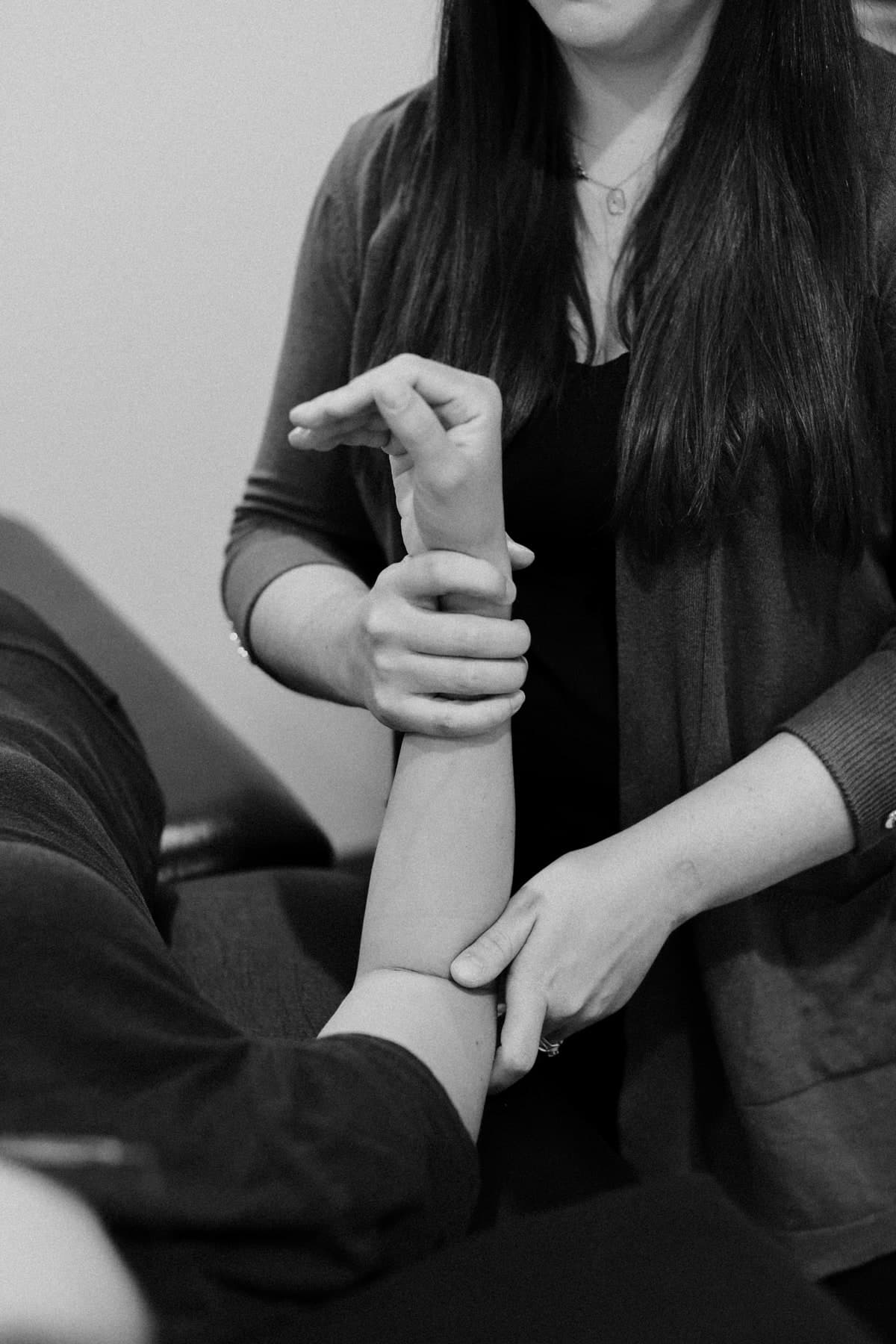
What Is Pelvic Floor Physiotherapy and Who Is It For?
Your pelvic floor is a group of muscles at the base of your pelvis. They support your bladder, bowel and pelvic organs, and they play a part in core stability and sexual function. Like any other muscles, they can become weak, tight or poorly coordinated. When that happens, the effects can show up in daily life in ways that are hard to bring up, even with your doctor.
Pelvic floor physiotherapy is physiotherapy focused on those muscles and how they work with your breathing, your hips and your back. It suits you if you're leaking, rushing to the bathroom, feeling heaviness, dealing with pain in the pelvis, or getting ready for birth and the months after it. These problems are common and treatable, and there's nothing embarrassing about them.
What Pelvic Floor Physiotherapy Can Help With
Leaking with Coughing, Sneezing, Laughing or Exercise
Sudden, Strong Urges and Frequent Bathroom Trips
Pelvic Heaviness, Pressure and Prolapse Symptoms
Pain with Sex or Tampon Use
Preparing for Birth
Recovery After Birth
Returning to Running, Lifting or Sport After Pregnancy
What a Pelvic Floor Session Looks Like
Wear comfortable clothing. Every step below happens in a private treatment room, and you can pause or change your mind at any point.
A Conversation First
We start by talking. Your physiotherapist asks about your symptoms, when they started, your health history, any pregnancies and births, and what you want to get back to. Bladder and bowel habits come up too, because they're part of the picture.Choosing Your Assessment Options
Your physiotherapist explains what each option would show. An internal exam gives the most detailed information about how your pelvic floor muscles contract, relax and coordinate. It's always optional. If you'd rather not have one, or want to wait, there's still plenty to assess: breathing, posture, hip and back movement, and how you brace when you lift.What We Found and What's Next
Before you leave, you'll hear what we think is going on and what's likely to help. We agree on a plan together, covering what happens in the clinic, what you'll do at home and roughly how long recovery may take.Treatment Between Visits
Treatment usually pairs education about how your pelvic floor works with exercises matched to what your muscles need, plus practical strategies for bladder habits, breathing, lifting and activity. Those exercises aren't always about strengthening. A pelvic floor that's tight or overworking needs to learn to let go, and squeezing harder can make some symptoms worse.
Is Pelvic Floor Physiotherapy Covered by Insurance?
You don't need a doctor's referral to book a physiotherapist in Saskatchewan. Some extended health plans do ask for one before they'll cover physiotherapy, so check your plan before your first visit. If a referral is required, your family doctor can write one.
Coverage is set by your plan. Look for the physiotherapy section of your benefits booklet, or call your provider and ask whether pelvic floor physiotherapy falls under it.
If your symptoms started after a car accident or a work injury, bring your SGI or WCB claim number to your first appointment. We'll communicate with SGI or WCB about your care. For current fees, contact the clinic or ask when you book.
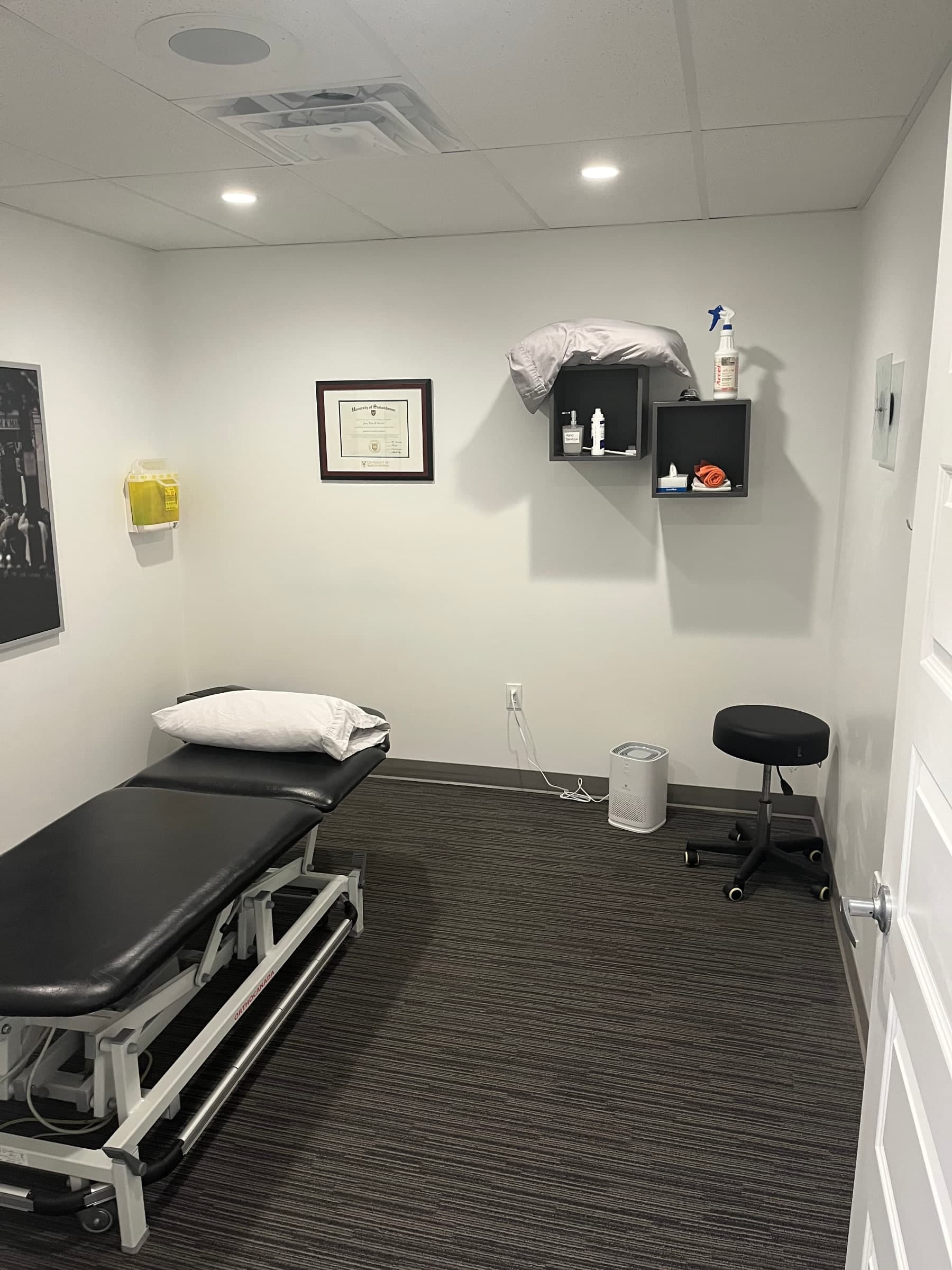
Our Approach to Pelvic Floor Physiotherapy in Swift Current
Pelvic floor care at our Swift Current clinic is provided by a registered physiotherapist. In Saskatchewan, internal techniques for pelvic floor problems are classed as a specialized procedure under the physiotherapy regulator's bylaws, and a physiotherapist can only use them after completing additional recognized training. Your plan is built from your assessment and how your symptoms behave, not from a standard protocol for a diagnosis.
- You stay in control. Nothing happens without your consent, the internal exam is optional, and you can stop at any point.
- We tell you what the research supports. Pelvic floor muscle training is well supported for stress-related leaking. Where the evidence is thinner, you'll hear that too.
- The goal is your independence. You'll learn skills you can keep using for years, whether that's running after a baby, lifting without leaking or no longer planning your day around bathroom access.
If something needs to be checked by your doctor or a specialist first, we'll tell you and help you get to the right place.
Why Choose Stride for Pelvic Floor Care
Pelvic floor physiotherapy sits under the same roof as general and sports physiotherapy, prenatal and postnatal massage with our registered massage therapist, and a coaching program. If you live in Swift Current or the communities around it in Southwest Saskatchewan, you don't need to drive to Regina or Saskatoon for this kind of care.
When you see more than one of our clinicians, they talk to each other about your care. If you're pregnant and seeing a physiotherapist for pelvic pain and our RMT for prenatal massage, the two compare notes so the work fits together.
Once your symptoms settle, the coaching program can help you keep building strength and fitness, including a return to running or lifting after a baby.
Pelvic Floor Physiotherapy Questions, Answered
Is it normal to leak after having a baby?
Are Kegels enough on their own?
How soon after giving birth can I book?
What if my symptoms don't improve?
Book a Pelvic Floor Assessment
Start with a private conversation about what's going on, with the internal exam left up to you. Book online with our Swift Current clinic.