Vestibular Rehabilitation in Swift Current
Physiotherapy for vertigo, dizziness and balance problems, with short exercises you'll do at home between visits.

- No referral
- needed to see a physiotherapist in Saskatchewan
- WCB and SGI
- claims welcome, bring your claim number
- Concussion care
- offered in the same clinic for post-concussion dizziness
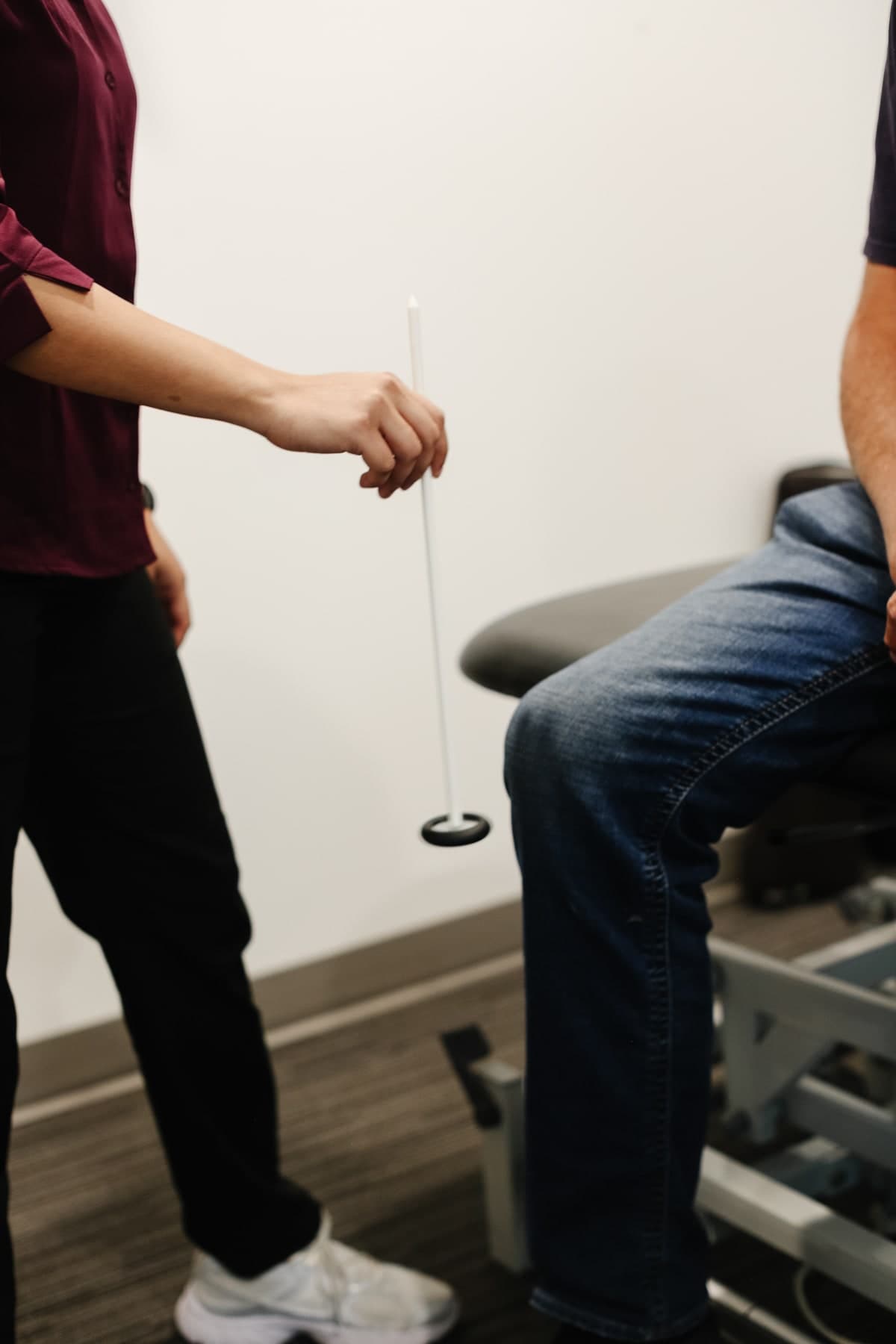
What Is Vestibular Rehabilitation
Your vestibular system sits in your inner ear. It works with your eyes and body to keep you balanced and to hold your vision steady when you move. When something goes wrong with it, you might feel dizzy, unsteady or like the room is spinning. Rolling over in bed, looking up at a shelf or walking through a busy store can suddenly feel unpredictable.
Vestibular rehabilitation is physiotherapy designed to help that balance system recover and adapt. Dizziness is common and it can be unsettling, but many of its causes are treatable. It suits you if dizziness, vertigo or poor balance is getting in the way of work, sleep or moving with confidence, whether you farm, work a trade, sit at a desk or are an older adult worried about falling.
Dizziness and Balance Problems We Treat with Vestibular Rehab
Positional Vertigo (BPPV)
Vestibular Neuritis
Dizziness After an Inner Ear Infection
Dizziness After a Concussion
Persistent Dizziness in Busy Environments
Ongoing Unsteadiness That Hasn't Settled
Balance Problems and Fear of Falling
What a Vestibular Session Involves
How and when your dizziness happens tells us a lot about its cause, so the first visit leans heavily on conversation before any testing. Wear comfortable clothing that lets you move your head, neck and body freely.
A Detailed Conversation
We'll ask how your dizziness started, how long a spell lasts, what brings it on and what eases it. We'll also go over your health history and what you want to get back to.Testing Your Eyes, Balance and Neck
We check your eye movements, your balance, your neck and how you respond to changes in head and body position. Some of these tests may briefly bring on dizziness, and we'll talk you through each one first.A Plan You Understand
Before you leave, we'll explain what we think is going on, answer your questions and agree on a plan together, including roughly how long recovery may take.Treatment Matched to the Cause
Positional vertigo may respond to repositioning techniques, sometimes within one to three visits. Other causes call for exercises that help your brain adapt to inner ear changes, balance training and a gradual return to the movements and places that set off symptoms.Short Exercises at Home
Much of your progress comes from short exercises you do between visits. Some may stir up mild symptoms at first. That's often part of how your brain relearns, and we'll keep it at a level that feels manageable.
Is Vestibular Rehabilitation Covered by Insurance
Vestibular rehabilitation is delivered by physiotherapists, so check the physiotherapy coverage on your extended health plan. You don't need a doctor's referral to see a physiotherapist in Saskatchewan, though some plans ask for one before they'll pay for the visit. A quick call to your provider before your first appointment can save a surprise later.
If your dizziness started after a car accident or an injury on the job, bring your SGI or WCB claim number to your first visit. We communicate with both.
Ask about fees when you book, so you know the cost before your assessment starts.
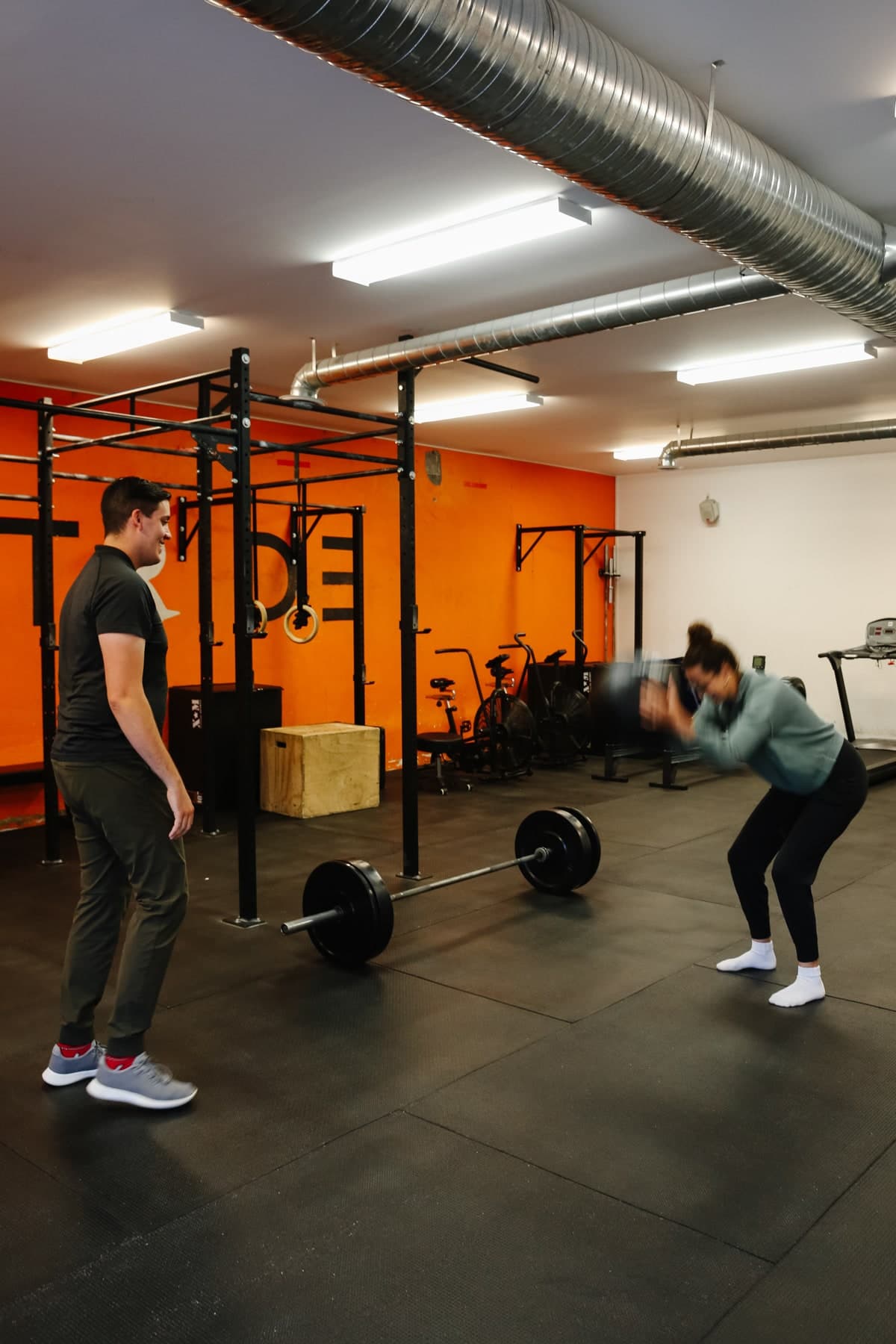
Our Approach to Vestibular Rehabilitation in Swift Current
Dizziness has many possible causes, and the treatment that helps one may do nothing for another. Every plan at Stride starts with an assessment and is built around how your symptoms behave, not a standard protocol for a diagnosis.
- We tell you what's likely to help and what probably won't, and we'll say so if something needs your doctor first.
- We keep exercises at a level you can handle, then progress them as your brain adapts.
- We work closely with your family doctor, especially if you need further testing or medical treatment.
Dizziness after a head injury is often a mix of inner ear, eye movement and neck involvement, so vestibular work may sit alongside concussion rehabilitation. If you see more than one clinician here, they talk to each other about your care. You'll be working with one of the registered physiotherapists on our team, and having this care in Swift Current means fewer trips to Regina or Saskatoon for people across Southwest Saskatchewan.
When Dizziness Needs Emergency Care
Call 911 or go to the emergency department if dizziness comes on suddenly along with any of these: slurred speech, weakness or numbness, facial drooping, double vision, a severe new headache, or trouble walking or swallowing. These can be signs of a stroke and need immediate medical care, not a physiotherapy appointment.
Part of every vestibular assessment is screening for signs that need a doctor's attention. If we find any, we'll tell you and help you get to the right place.
Vestibular Rehabilitation Questions, Answered
Do I need an MRI or other scan before booking?
How soon should I book after the dizziness starts?
Should I drive myself to my appointment?
What happens if my dizziness doesn't improve?
Book a Vestibular Assessment
If dizziness, vertigo or unsteadiness is changing how you move through your day, an assessment at our Swift Current clinic is a good place to begin.