Work Injury and WCB Physiotherapy in Swift Current
Hurt on the job? We'll work out what's injured, what your job asks of your body, and how to get you back to it safely.
What Counts as a Workplace Injury?
A workplace injury is any injury or pain that comes from the work you do. It can happen in one moment, like a slip on an icy step or a load that shifted as you lifted it. It can also build up over weeks of the same movement: reaching overhead, kneeling on concrete, gripping a tool, or sitting through long shifts at a desk.
Getting hurt at work brings more than pain. There's the worry about missed shifts, keeping up with your job, the paperwork, and how long it'll take to feel normal again. For people who lift, drive, farm, or work in the trades or the oilfield, an injury to the low back or a shoulder can affect the ability to earn a living. Desk work counts too, and an ergonomic assessment can look at the setup behind the pain.
At Stride Physio and Performance in Swift Current, the first step is the same for every work injury. Report it to your employer. If you have a WCB claim number, bring it to your first appointment.
Common Work Injuries We Treat
Rotator Cuff Injuries
Ankle Sprains and Foot Injuries
Concussion from Falls or Being Struck by an Object
Rehab After Fractures or Surgery
Pain from Long Hours Sitting or Standing at Work
Does My Work Injury Need a Doctor Before Physiotherapy?
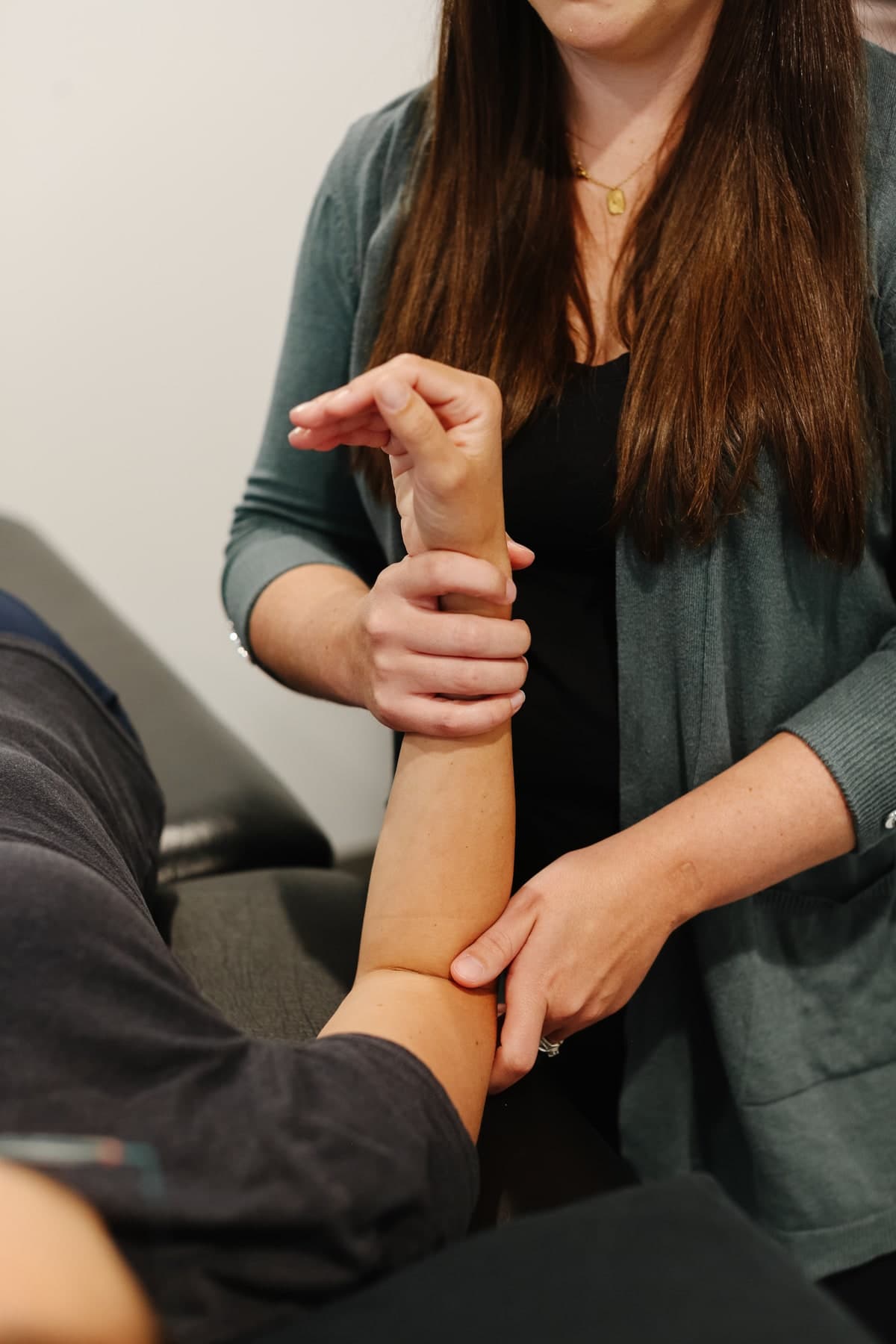
A strain that aches when you lift, but still lets you walk, sleep and get through the day, is usually something we can help with from the first visit. Pain that's getting steadily worse, or pain that comes with any of the signs below, needs a doctor or emergency care first.
Every assessment includes screening for these warning signs:
- You can't put weight on a leg or use an arm after a fall or impact.
- Numbness, tingling or weakness is getting worse.
- Bladder or bowel control has changed, or there's numbness around the groin.
- A head injury is followed by a worsening headache, vomiting or confusion.
- Pain is severe and isn't easing, or there are signs of infection.
If something doesn't fit the pattern we'd expect, we'll tell you and help you get to the right place: your family doctor, a specialist or emergency care. Once serious signs are ruled out, a knock to the head can be assessed and managed here through concussion rehabilitation.
How We Assess a Work Injury
Recovery depends on the injury and on what your job asks of you, so the first visit looks at both. Wear clothing that lets us see and move the sore area.
Questions about the injury and your job
How it happened, what your work involves day to day, which tasks are hardest right now, how you're sleeping and coping, and what you need to be able to do to get back.How the area moves
We check the injured area's movement and find out which movements bring on your pain.Nerve, joint and tendon tests
Strength, reflexes and sensation show whether nerves are involved. Specific tests look at the joints, tendons and ligaments in question.The tasks your job needs
Where it matters, we watch how you lift, carry, reach or kneel, so goals are set around the work you do.A plan before you leave
We explain what's likely going on, answer your questions and agree on a plan together: what we'll work on in the clinic, what you'll do on your own, and roughly how long recovery should take.
Should I Stay Off Work Until I'm Fully Healed?
Often not. For a lot of injuries, staying at work on modified or lighter duties, or returning gradually, leads to a better recovery than staying home until the pain is gone. Keeping your routine and staying active tends to help your body and your confidence.
Some injuries and some jobs do need time off. Nobody should be climbing ladders on a freshly broken ankle. When time away is the right call, we'll help you, your employer and WCB work out what's safe and realistic, and what the steps back look like.
Our Approach to Workplace Injuries in Swift Current
We see workers from farms, trades, the oilfield and offices across Southwest Saskatchewan. Every physiotherapy plan starts from your assessment, your job demands and your goals, and it usually follows these principles:
- You'll understand your injury: we explain what's likely going on, what to expect and roughly how long recovery takes.
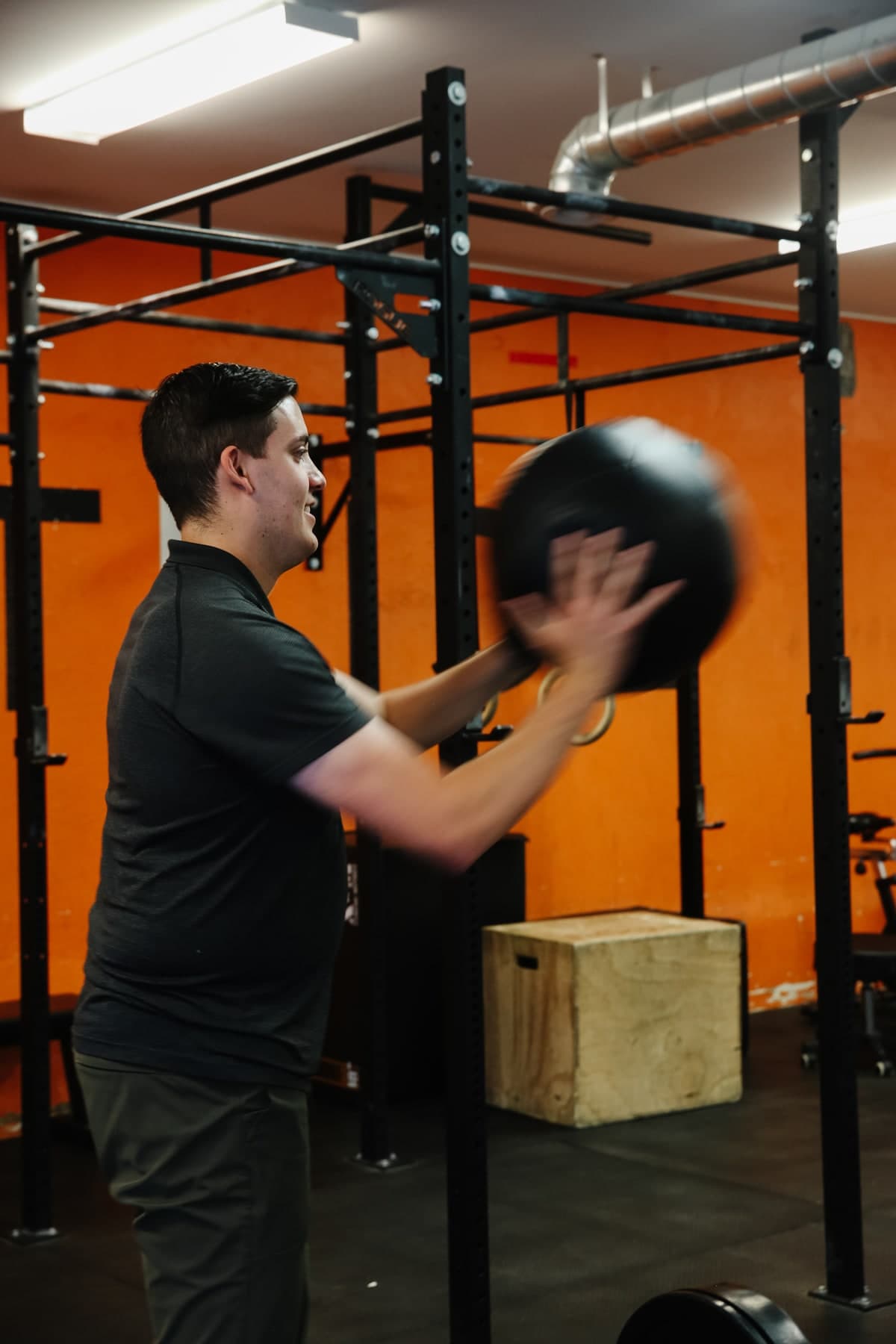
- Your exercises match your work: the program is built around what your job asks of you: lifting, climbing, kneeling, reaching, driving or long hours on your feet.
- You stay connected to work where it's safe: we recommend modified duties or a gradual return and give clear information on what you can and can't do yet.
Early on, the work is settling pain and keeping you moving. Later, it shifts to rebuilding strength and tolerance for the tasks your job needs. Between visits, you'll have a short set of exercises to do at home or on the job.
Hands-on treatment, massage, dry needling or acupuncture can ease pain so it's easier to move and stay active. They support the plan. They don't replace it. Once you're back at work, the focus turns to the strength and habits that make the next injury less likely.
How Long Does Recovery from a Work Injury Take?
It depends on the injury, your job and how your symptoms behave. A mild muscle strain or minor sprain may settle within weeks, especially if you keep moving and can stay at work on lighter duties. Tendon problems such as tennis elbow or a sore shoulder from the rotator cuff can take longer, because tendons adapt slowly to load. Rehab after a fracture or surgery is usually measured in months, shaped by your surgeon's guidance and how healing progresses.
A few things can stretch recovery out: a physically heavy job you need to get back to in full, poor sleep, high stress, or pain that built up for a long time before you got help. On the other side, staying active, doing your exercises between visits and a workplace that can offer modified duties can all help it along.
At your first visit we'll give you a rough timeline for your injury and your job. We check it against how you're progressing, adjust it as we go, and tell you if something isn't tracking the way we'd expect.
Working with WCB, Your Employer and Your Doctor
A work injury involves more people than you and your physiotherapist. We send timely reports to keep your claim moving, and we work with your employer, your family doctor and WCB so everyone understands your progress and the next step. If you see more than one clinician at Stride, we talk to each other about your care so the pieces fit together.
When you're ready to go back, we help plan a realistic return to work: which tasks you can take on now, which ones wait, and how your duties build over time.
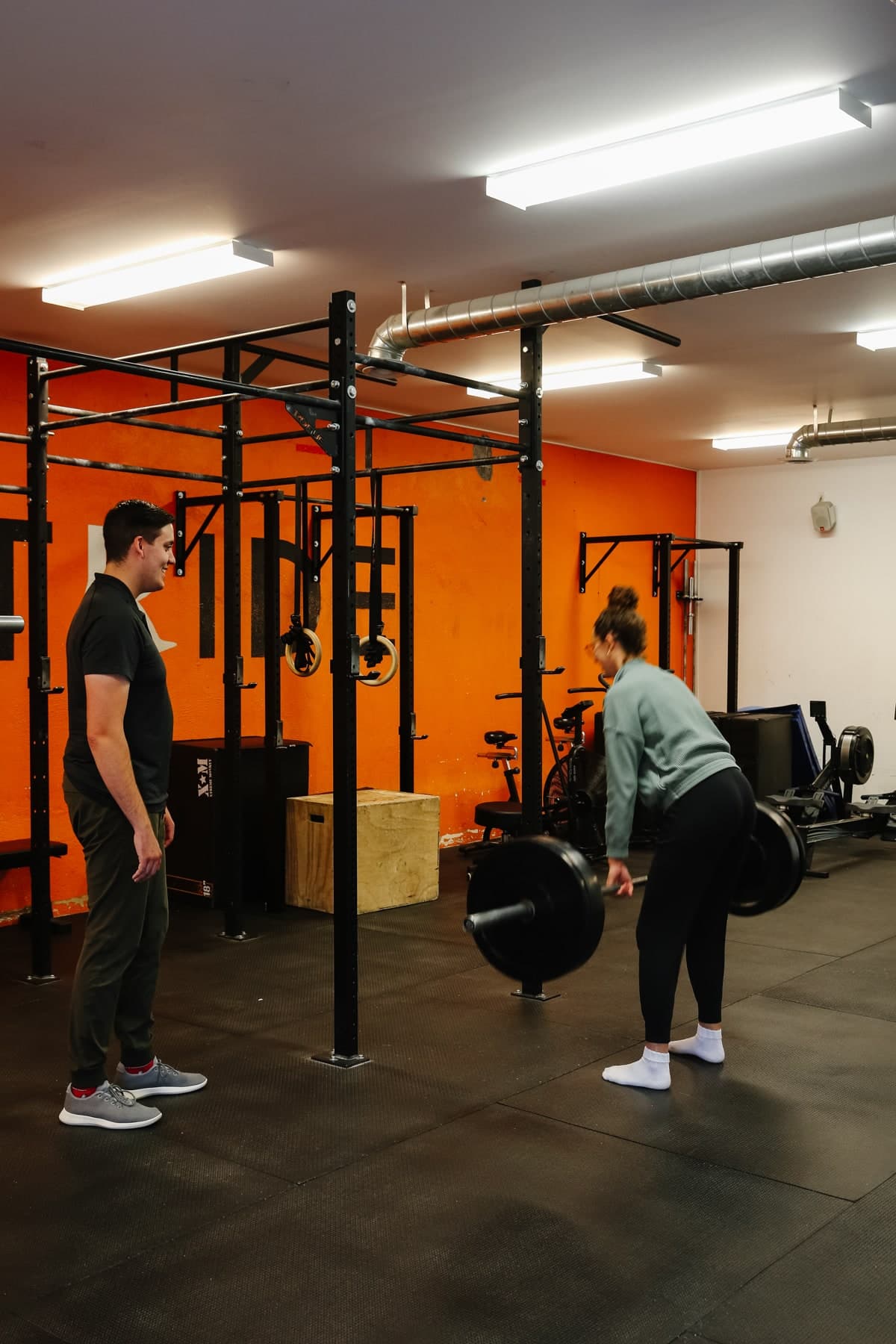
Once you're back on the job, our coaching program can help you keep building strength and fitness for the physical side of your work, with regular check-ins in person or online.
Common Questions About Workplace Injuries
Do I need a doctor's referral for a work injury?
I don't have a WCB claim number yet. Can I still book?
Do I need an X-ray or MRI before treatment?
My injury happened months ago. Is it too late to get help?
Book a Work Injury Assessment in Swift Current
Book a visit at our Swift Current clinic and bring your WCB claim number if you have one. We'll look at the injury and your job, and you'll leave with a plan you've agreed to.