Elbow Pain: Symptoms, Causes and Treatment
Pain when you grip a cup, swing a hammer or shake hands? Here's what may be causing it, when to get it checked, and how physiotherapy can help you stay working while it settles.
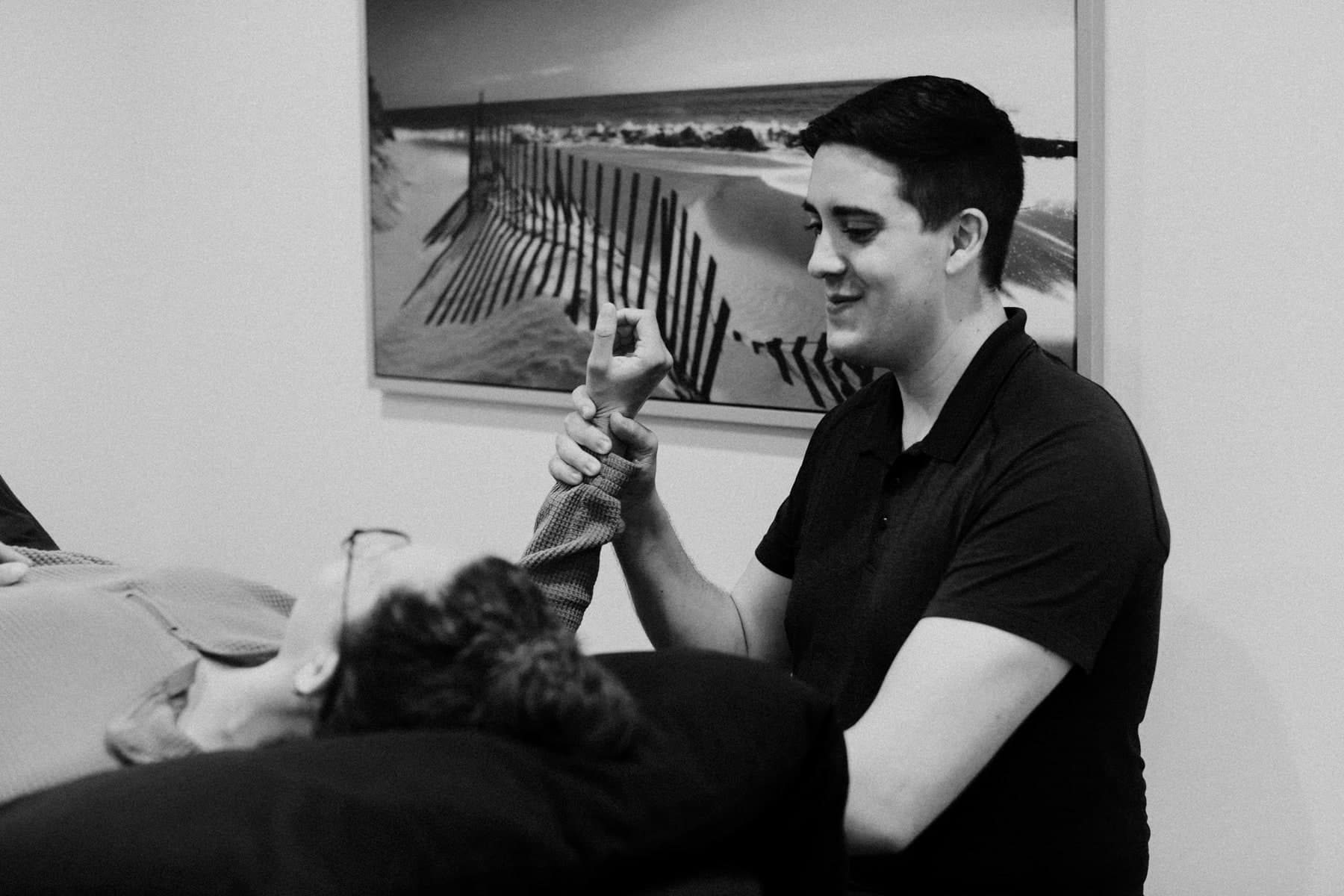
Which Part of the Elbow Hurts
Your elbow is the joint where the upper arm bone (the humerus) meets the two forearm bones, the radius and the ulna. On each side of the elbow is a bony bump called an epicondyle. The muscles that grip and move your wrist attach to these bumps through tendons, and that's where a lot of elbow pain comes from.
Pain on the outside of the elbow is usually tennis elbow. On a scan report or referral note you may see it written as lateral elbow tendinopathy or lateral epicondylitis. It means the tendons that lift your wrist and fingers have become irritated and less able to handle load. You don't have to play tennis to get it. Pain on the inside of the elbow, where the wrist and finger flexors attach, is called golfer's elbow or medial elbow tendinopathy.
Other structures can be involved too. The ulnar nerve runs in a groove behind the inside bump, the spot known as the funny bone, and irritation there is sometimes called cubital tunnel syndrome. The biceps tendon attaches at the front of the elbow and the triceps at the back. A small fluid sac called a bursa sits over the point of the elbow and can swell. The joint surfaces can stiffen with arthritis or after a fracture.
And sometimes the pain isn't coming from the elbow at all. Your neck and shoulder can refer pain into the elbow and forearm.
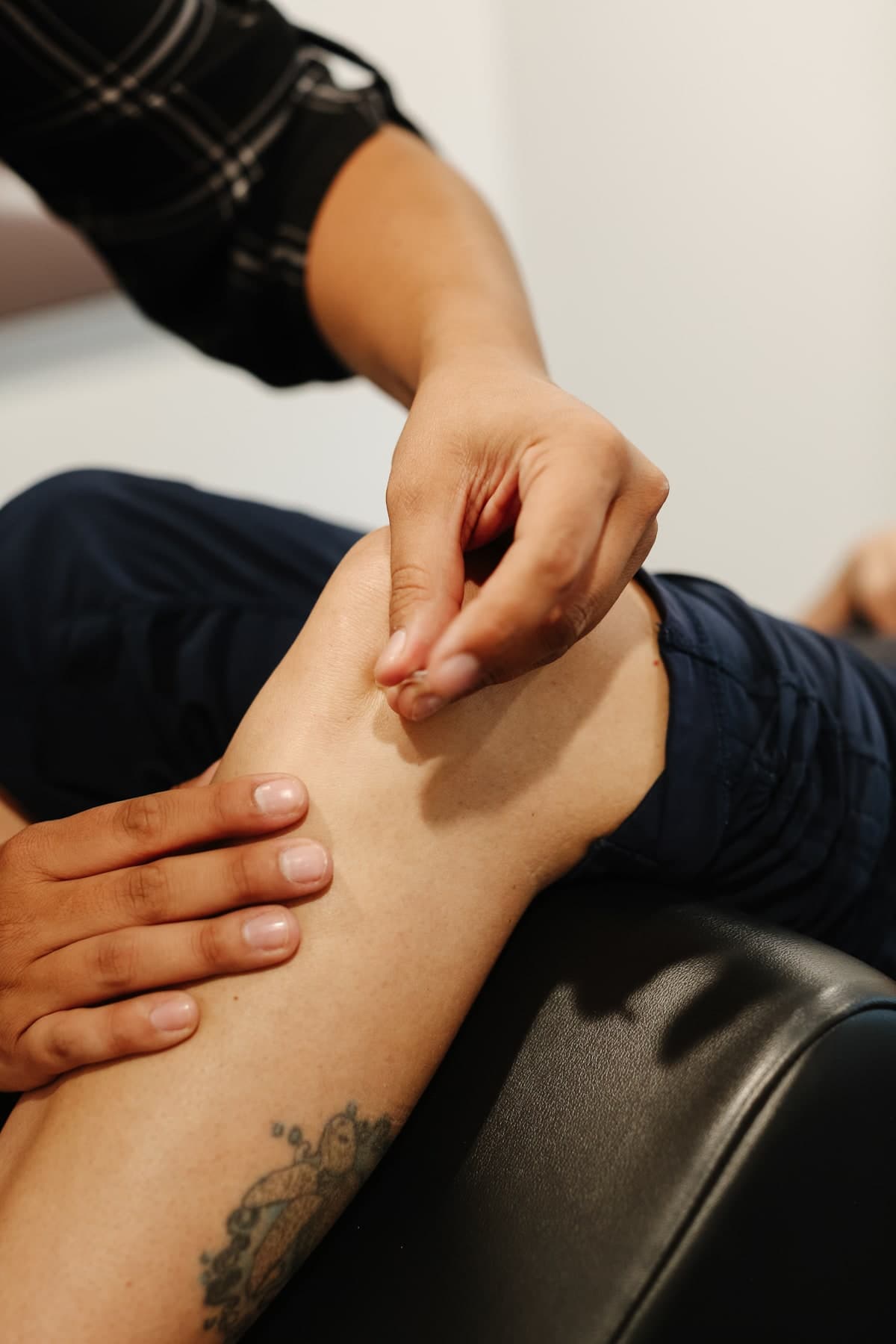
What Does Elbow Pain Feel Like
Tendon pain tends to show up with use. With tennis elbow, it's a sharp or aching pain on the outside of the elbow when you grip a coffee cup, shake hands, turn a doorknob or lift something with your palm facing down. It can spread down the forearm. Golfer's elbow feels similar on the inside and often flares with a firm grip or a golf swing.
Nerve irritation feels different. Ulnar nerve symptoms include tingling or numbness into the ring and little fingers, often worse after leaning on your elbow or sleeping with your arm bent. If it goes on, grip can weaken and fine finger tasks can feel clumsy.
Bursitis shows up as a soft swelling at the point of the elbow. Arthritis, or stiffness after a fracture or a cast, usually means you can't fully bend or straighten the arm. Throwing athletes may feel pain on the inside of the elbow during or after a throw.
If tingling reaches further up your arm or comes with a stiff, sore neck, your neck may be part of the picture. That's one reason we check it.
Elbow Conditions We Assess and Treat
Tennis Elbow (lateral Elbow Tendinopathy)
Golfer's Elbow (inside of the Elbow)
Ulnar Nerve Irritation and Cubital Tunnel Syndrome
Biceps and Triceps Tendon Pain
Elbow Bursitis
Throwing-Related Elbow Pain
Elbow Sprains and Dislocations
Rehab After a Fracture or Time in a Cast
Elbow Arthritis and Stiffness
How Serious Is My Elbow Pain
Mild elbow pain is sore with certain grips or tasks and settles with rest. You can still work and train with a few adjustments. Moderate pain gets in the way of your day. It lingers after work, aches at night, or makes you avoid lifting a kettle or a tool. More severe pain is there most of the time, wakes you up, or comes with a grip that's noticeably weaker. Each of these can improve. The more it limits you, the more a clear plan matters.
Tendon irritation from overuse and a torn tendon are different injuries. A torn biceps tendon at the elbow often comes with a sudden pop at the front of the elbow while lifting, followed by bruising or a change in the shape of your upper arm. These injuries have the best outcomes when a surgeon assesses them within the first couple of weeks, so if we suspect one, we'll help you get that referral quickly.
Some elbow problems need medical care before physiotherapy, and we screen for them as part of every assessment. Warning signs include swelling, deformity or being unable to move your elbow after a fall. A hot, red, swollen elbow, especially with a fever or feeling unwell, is another. So is increasing weakness or muscle wasting in your hand, elbow pain in a young throwing athlete that isn't settling, and unexplained weight loss or a history of cancer. If any of these apply, we'll tell you and help you get to your doctor or a specialist.
Pain in both elbows is worth mentioning at your visit too, since it changes what we look for.
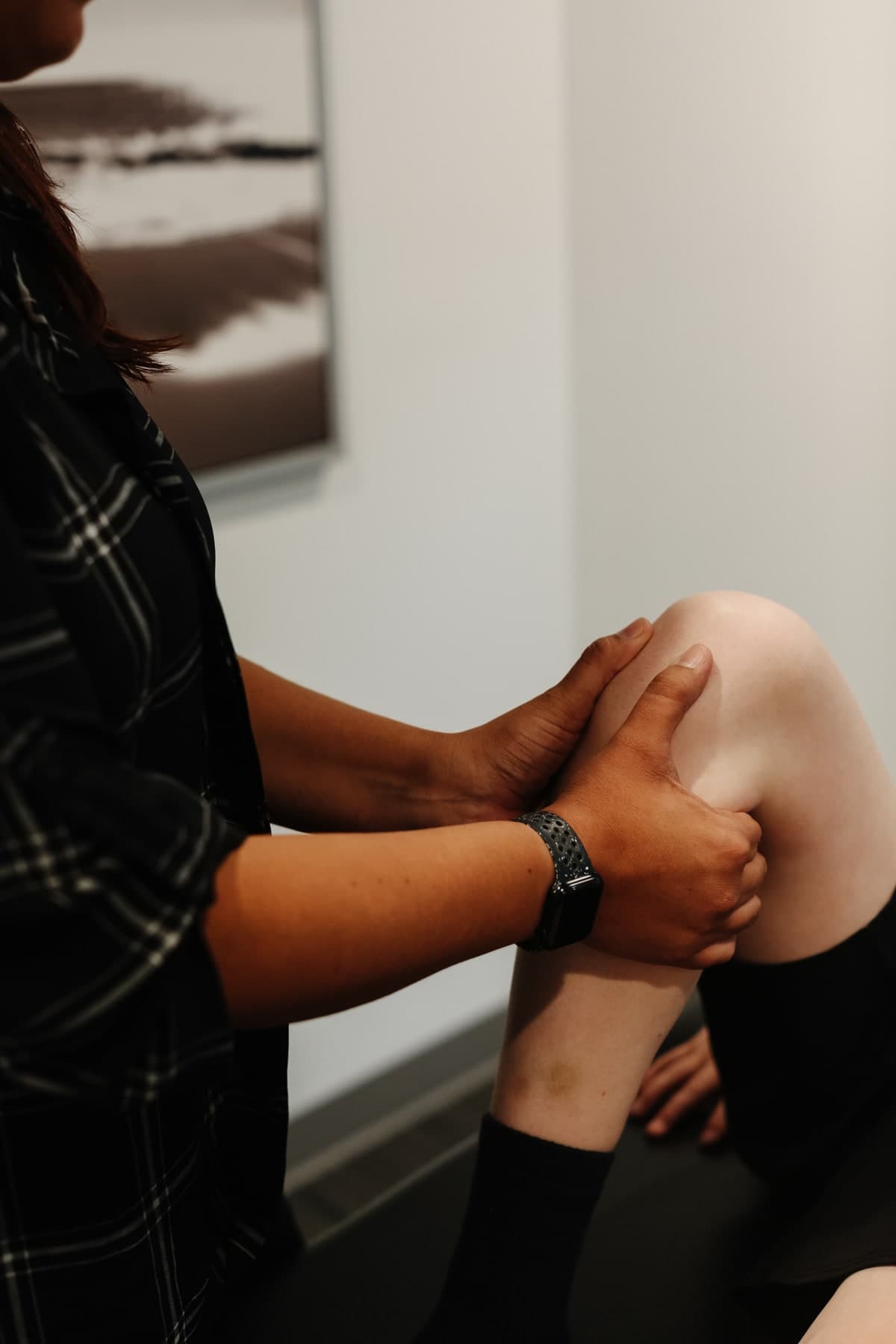
What Causes Elbow Pain and Who Gets It
Elbow pain often builds slowly. Repeated gripping, lifting, or swinging a hammer, golf club or racquet can load the forearm tendons faster than they adapt. A change in workload can tip things over, like a new job, a busy season or a jump in training.
It can also start in a moment. A fall onto an outstretched hand, a heavy lift that catches you off guard, or one awkward movement can sprain, dislocate or fracture the elbow, and those injuries need their own rehab once the cast comes off.
That mix means elbow pain turns up in a wide range of people. Tradespeople and farmers who grip tools all day. Office workers. New parents lifting and carrying. Golfers, racquet players and baseball players. Around Swift Current, a sore elbow can mean a lost shift in the middle of a busy season, so keeping you working while it settles is part of the plan.
If your elbow started hurting on the job, our page on workplace injuries explains how we work with WCB on your claim.
How We Assess Your Elbow
Elbow pain can come from tendons, nerves, the joint itself or your neck, and the right plan depends on which one is driving yours. Your first visit is about understanding that before jumping into treatment.
Questions first
We ask where exactly you feel pain, how it started, which activities or grips bring it on, whether you have numbness or tingling in your hand, and what you need to be able to do at work, at home or in sport. Your answers often point us in the right direction before any testing.Movement and strength
We check how your elbow, wrist and forearm move, then test your grip strength and the specific tendons that may be involved.Nerves and stability
We check the nerves around your elbow and the sensation in your hand. For throwing athletes, we also assess how stable the elbow is.Neck and shoulder screen
Your neck and shoulder can refer pain into the elbow and forearm, so we screen both.A plan before you leave
We rule out anything that needs medical attention, narrow your pain down to a few likely causes and explain what we think is going on. You'll leave with a plan, a rough idea of how long recovery may take, and a few things you can start doing right away.
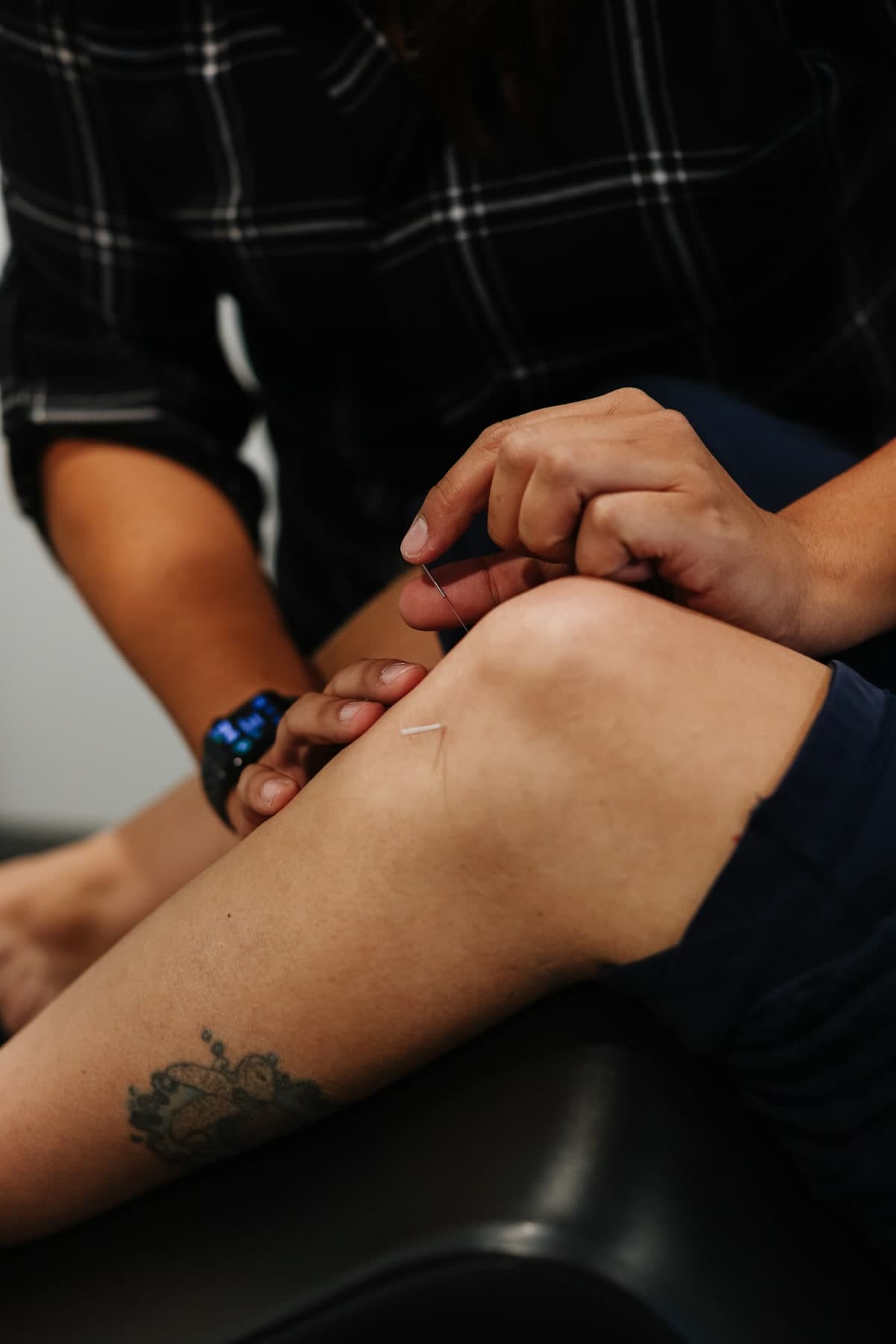
Our Approach to Elbow Pain in Swift Current
Your plan comes from your assessment and your goals rather than a standard protocol for a diagnosis. In Swift Current that might mean getting through a full shift, swinging a golf club again or throwing without pain. Three principles usually guide it:
- Understand your elbow: we explain what's likely going on, what to expect and how long recovery usually takes.
- Manage the load: small changes to how you grip, lift or use tools can make a difference, so you can adjust without stopping everything.
- Build strength over time: gradually loading the forearm, wrist and shoulder helps your elbow tolerate the demands of work and sport.
Early on, the focus is settling pain enough to move. Hands-on treatment, massage therapy, dry needling, acupuncture, shockwave therapy or a forearm strap may ease pain in the short term. We use them to support the plan, not replace it. For ulnar nerve symptoms, avoiding leaning on the elbow and limiting long periods with it bent, including while you sleep, often helps.
As things settle, the exercises get harder and more specific to what you do, and we build a step-by-step return to work or sport. Between visits you'll have a home program and a few grip or setup changes to try. Once you're feeling better, our coaching program can help you keep building strength so your arms hold up to work, sport and daily life.
How Long Does Elbow Pain Take to Heal
Recovery time depends on what's irritated and how much your arm has to do while it settles. Tennis elbow usually improves over time and is often much better within a year. That can feel like a long wait when it hurts to grip things. Physiotherapy aims to manage your pain, keep you working and active, and give you exercises and strategies that may help you recover sooner and with more confidence.
A few things move the timeline. Pain that's been around a long time can take longer to settle. Heavy, repetitive work that can't be adjusted slows things down, and so does poor sleep. Nerve irritation often eases once the positions that aggravate it change. After a fracture, a dislocation or time in a cast, the healing timeline set by your surgeon or doctor guides how quickly we progress.
If you're weighing a cortisone shot for tennis elbow, it's worth knowing the trade-off first. Injections often relieve pain for a few weeks, but research has found that people who have them tend to do worse at six to twelve months and are more likely to have their pain come back. Education, activity adjustments and exercise are the long-term approach the evidence favours. We're happy to talk it through with you and your doctor.
Elbow Pain Questions, Answered
Do I need a doctor's referral to see a physiotherapist for elbow pain?
Do I need an X-ray or MRI for my elbow?
How long should I wait before booking an appointment?
What happens if my elbow doesn't improve with physiotherapy?
Book an Elbow Assessment in Swift Current
If gripping, lifting or your swing has become painful, an assessment can show what's driving it and what to try first. Book a visit with a physiotherapist at our Swift Current clinic.