Foot and Ankle Pain: Symptoms, Causes and Treatment
Heel pain with your first steps, an ankle that keeps rolling, a stiff Achilles or a sore ball of the foot. We find out what's driving yours and build a plan to get you back on your feet.
What Is Foot and Ankle Pain?
Foot and ankle pain covers problems in the structures below your shin: the bones of the ankle and foot, the ligaments that hold the ankle steady, the Achilles tendon at the back of the heel, the plantar fascia (the thick band of tissue along the sole), the tendons that support your arch, and the small nerves that run between your toes. Sometimes the pain isn't coming from the foot at all. Irritated nerves in the lower back can send numbness, tingling or burning down into the foot.
The term on your scan report or doctor's note usually names one of those structures. Plantar fasciitis points to the band under your heel. Posterior tibial tendon dysfunction points to the tendon that holds up the inside of your arch. Metatarsalgia means pain under the ball of the foot, and a Morton's neuroma is a thickened, irritated nerve between the toes.
Causes range from a single bad step, like rolling your ankle off a curb, to load that builds faster than your tissues can adapt: a new running plan, a switch to concrete floors at work, a hockey season starting up. At Stride Physio and Performance in Swift Current, we see people of all ages and activity levels with foot and ankle pain, from farmers and tradespeople on their feet all day to runners, skaters, office workers, new parents, older adults and active kids with sore heels.
What Does Foot and Ankle Pain Feel Like?
Where it hurts, and when, tells us a lot. Plantar fasciitis classically gives a sharp pain under the heel with your first steps in the morning or after sitting. It eases as you walk, then comes back after a long day on your feet.
Achilles pain sits at the back of the heel or a little above it. It's often stiff first thing, warms up with activity, and can flare the morning after a hard run or a day on ladders. Pain in the ball of the foot tends to build through a shift on hard floors and feels better with your shoes off. A neuroma can feel like standing on a pebble, with burning or tingling into the toes.
After an ankle sprain, expect swelling and bruising on the outside of the ankle and pain putting weight through it. An ankle that keeps rolling, or feels like it could give way on uneven ground, points to chronic ankle instability. A flat foot that's becoming painful along the inside of the ankle, or flattening more on one side, can signal a posterior tibial tendon problem. Big toe stiffness shows up when you push off or squat. Numbness, tingling or burning that doesn't fit any of these may be coming from your lower back, which is why we check it.
Foot and Ankle Problems We Assess and Treat
Ankle Sprains, Including High Ankle Sprains
Chronic Ankle Instability
Heel Pain and Plantar Fasciitis
Achilles Tendon Pain and Injuries
Metatarsalgia (pain in the Ball of the Foot)
Morton's Neuroma
Painful Flat Feet and Posterior Tibial Tendon Problems
Big Toe Pain, Bunions and Arthritis
Stress Fractures in Runners and Athletes
Sever's Disease (heel Pain in Active Kids)
Shin Splints
Rehab After Foot and Ankle Fractures or Surgery
How Serious Is My Foot or Ankle Pain?
Severity sits on a sliding scale. A mild sprain or a flare of heel pain is sore and annoying, but you can still walk, work and sleep. A moderate problem changes how you move: you're limping, cutting shifts short or skipping training. Severe pain, especially right after an injury, needs a closer look before anyone treats it.
Some signs mean you need medical care first. Being unable to take four steps after an injury, or tenderness over specific spots on the bone, can signal a fracture. A sudden pop or the feeling of being kicked in the back of the leg, followed by trouble pushing off, can mean an Achilles rupture. Calf pain, swelling or warmth, especially after surgery, a cast or long travel, can signal a blood clot. A hot, red, swollen foot or joint with fever needs your doctor. So does numbness in your feet with diabetes, particularly with a wound or a foot that's suddenly warm and swollen. Pain that keeps getting worse with running or training can point to a stress fracture.
Achilles ruptures and some fractures are best assessed by a doctor within a day or two. If your symptoms don't fit the pattern of a typical foot or ankle problem, we'll tell you and help you get to your family doctor, an orthopaedic surgeon or emergency care.
Not every ankle injury needs an X-ray. We use the Ottawa Ankle Rules, a well-researched set of guidelines, to decide. If you can walk and there's no tenderness over specific areas of bone, a fracture is unlikely. If you do need imaging, we'll let you know and help you get it.
How We Assess Foot and Ankle Pain
Foot and ankle pain can come from bone, ligament, tendon, nerve or your lower back. Your first visit is about understanding your situation, not jumping straight into treatment.
A Conversation First
We'll ask how it started, whether you rolled the ankle or felt a pop, exactly where it hurts, what time of day it's worst, what you wear on your feet and what you need to get back to. Your answers often point us in the right direction before any testing.Hands-On Examination
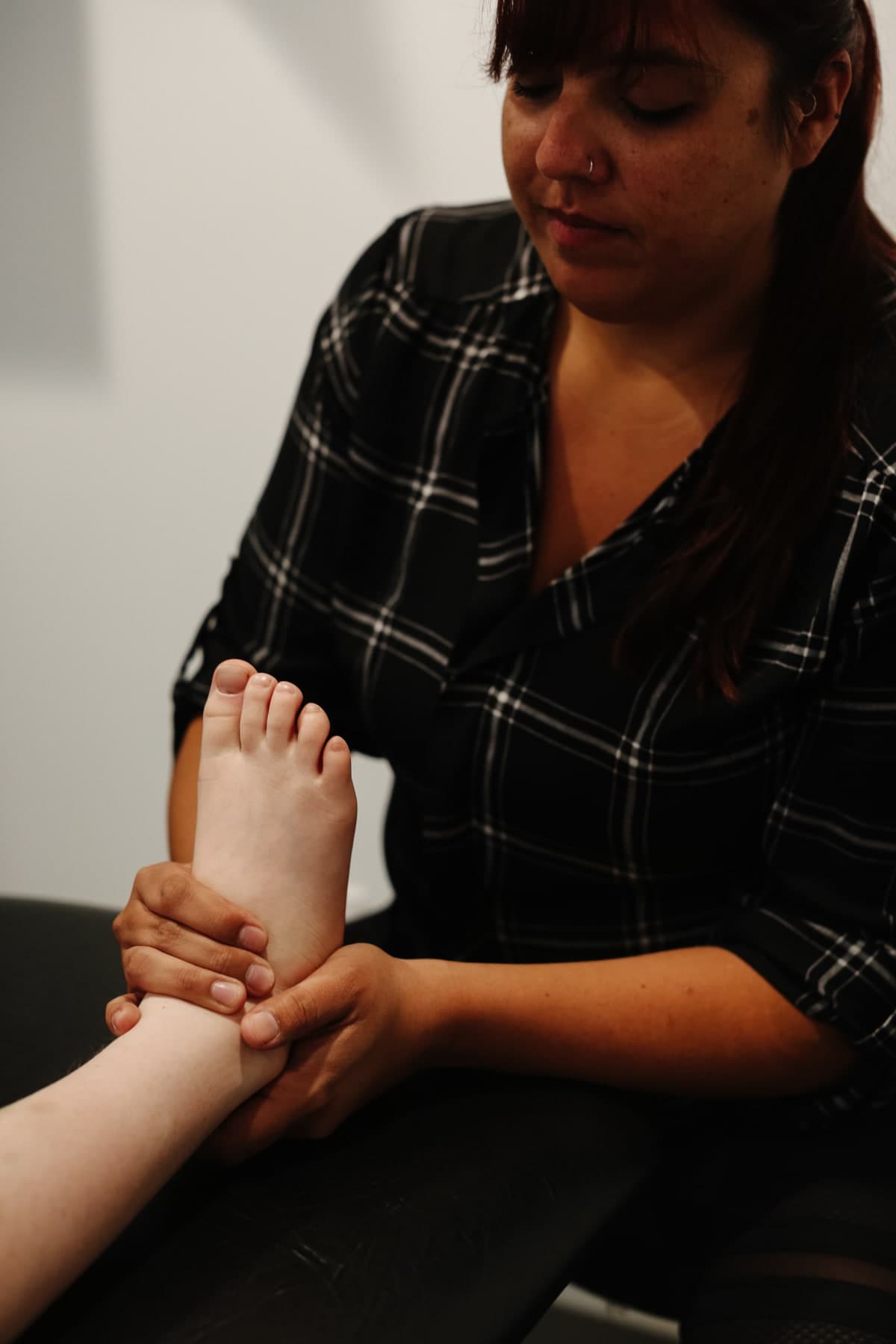
Depending on your symptoms, we check for swelling, bruising and bone tenderness, test the stability of your ankle ligaments, and assess how your foot, ankle and big toe move. Then we test calf, ankle and foot strength and check your balance on one leg.Watching You Move
We watch you walk, and hop or run when it's safe and relevant. If you have numbness, tingling or burning, we screen your lower back and nerves.A Plan You Understand
Before you leave, we explain what's likely going on, what we'll work on together, what you can do at home and roughly how long recovery tends to take. Wear shorts or loose pants so we can see and move your foot, ankle and lower leg.
Our Approach to Foot and Ankle Pain in Swift Current
Your plan is built from your assessment and your goals, not a standard protocol for a diagnosis. We'll explain what's likely going on and what recovery tends to look like, then work through it in stages with physiotherapy here in Swift Current.
- Settle things down: early on, we adjust walking, standing, running or training so your foot can calm down without you stopping everything. Manual therapy, massage, dry needling or taping may ease pain in the short term so it's easier to move.
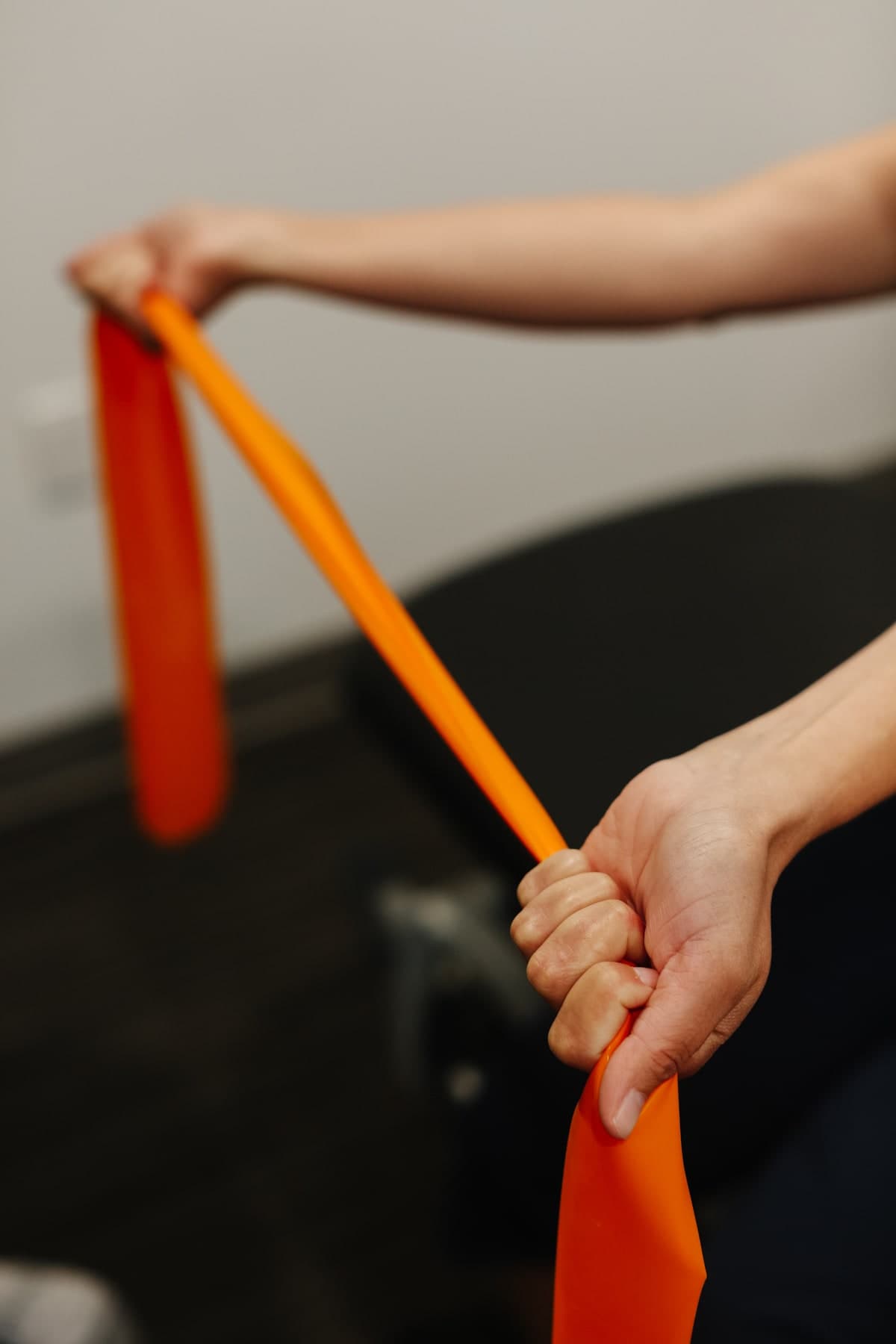
- Build capacity: progressive strengthening of your calf, ankle and foot muscles helps tendons and joints handle a full shift, a run or a game. After a sprain, balance training has good research support for recovery and for lowering the chance of rolling the ankle again.
- Return to what you do: A step-by-step plan back to your goal: a full shift on your feet, a 10K or getting back on the ice.
Supportive footwear, an off-the-shelf insert, custom orthotics or an ankle brace can reduce pain for some people. We'll tell you if you don't need one. For heel pain that hasn't settled with exercise, shockwave therapy has research support and may be worth adding.
Between visits, you'll have a short list of exercises and clear guidance on how much walking, standing or training to do. That work at home is where lasting change tends to come from. Visits are for checking progress and adjusting the plan.
How Long Does Foot and Ankle Pain Take to Heal?
Recovery depends on what's injured, how long it's been bothering you and what you need your feet to do. Plantar fasciitis can be stubborn: improvement over several months to a year is common, and the right care may help you feel better sooner. Achilles and other tendon problems also tend to respond over months rather than weeks, because tendons adapt slowly to load.
Ankle sprains vary with severity. Fractures, stress fractures and surgery follow their own healing timelines, which we set together with your surgeon or doctor.
Other factors move the timeline too: time on your feet at work, footwear, sleep, other health conditions and how consistently you do your exercises. At your first visit we'll give you an estimate for your situation, then update it as you progress.
Once you're feeling better, our coaching program can help you keep building strength and fitness so your feet and ankles hold up to the activities you enjoy.
Foot and Ankle Pain Questions, Answered
Do I need a doctor's referral to see a physiotherapist for foot or ankle pain?
Is a heel spur causing my heel pain?
How long should I wait before booking for foot or ankle pain?
Can I keep working or running with plantar fasciitis?
What happens if my foot or ankle pain doesn't get better?
Book a Foot and Ankle Assessment in Swift Current
If heel, ankle, Achilles or forefoot pain is getting in the way of work, sport or sleep, book a first visit in Swift Current. The aim is for you to leave with a clear explanation and a few things you can start right away.