If your first few steps in the morning feel like walking on a bruise, you're not alone. That sharp pain in the bottom of your heel is one of the classic signs of plantar fasciitis, one of the most common foot problems we see.
It can be stubborn and frustrating, especially if you're on your feet all day. But here's the reassuring part: most people get better. With the right approach, many people feel a real difference within a few weeks to a few months, and the large majority recover within a year.
Stretching is one of the simplest places to start. Here are the stretches I recommend most often.
What is plantar fasciitis?
Your plantar fascia is a thick band of tissue running along the bottom of your foot, from your heel to your toes. It helps support your arch and absorb load when you walk and run.
When it's asked to handle more than it's ready for, like a jump in walking or running, long days standing, new footwear or a change in weight, it can become irritated and painful. It's usually a load problem, not a sign of damage, which is why the right exercises help.
You may have heard it called a heel spur. Heel spurs are common on X-rays, including in many people with no heel pain at all, so they usually aren't the cause.
What the research says about stretching
Current physical therapy guidelines recommend stretching the calf and the plantar fascia for heel pain, with moderate evidence for short-term relief. Stretching works best as part of a broader plan that also includes managing how much you're on your feet, supportive footwear and, for many people, strengthening.
How to use these stretches
- Be consistent. A few minutes several times a day tends to work better than an occasional long session.
- Go gently. You should feel a stretch, not sharp pain.
- Stretch before your first steps. Morning heel pain often eases if you stretch before getting out of bed.
- Expect gradual progress. Heel pain usually improves over weeks, not days.
1. Plantar fascia stretch
This one targets the bottom of your foot directly, and it's especially helpful first thing in the morning.
- Sit and cross your sore foot over your other knee.
- Hold the base of your toes and gently pull them back toward your shin.
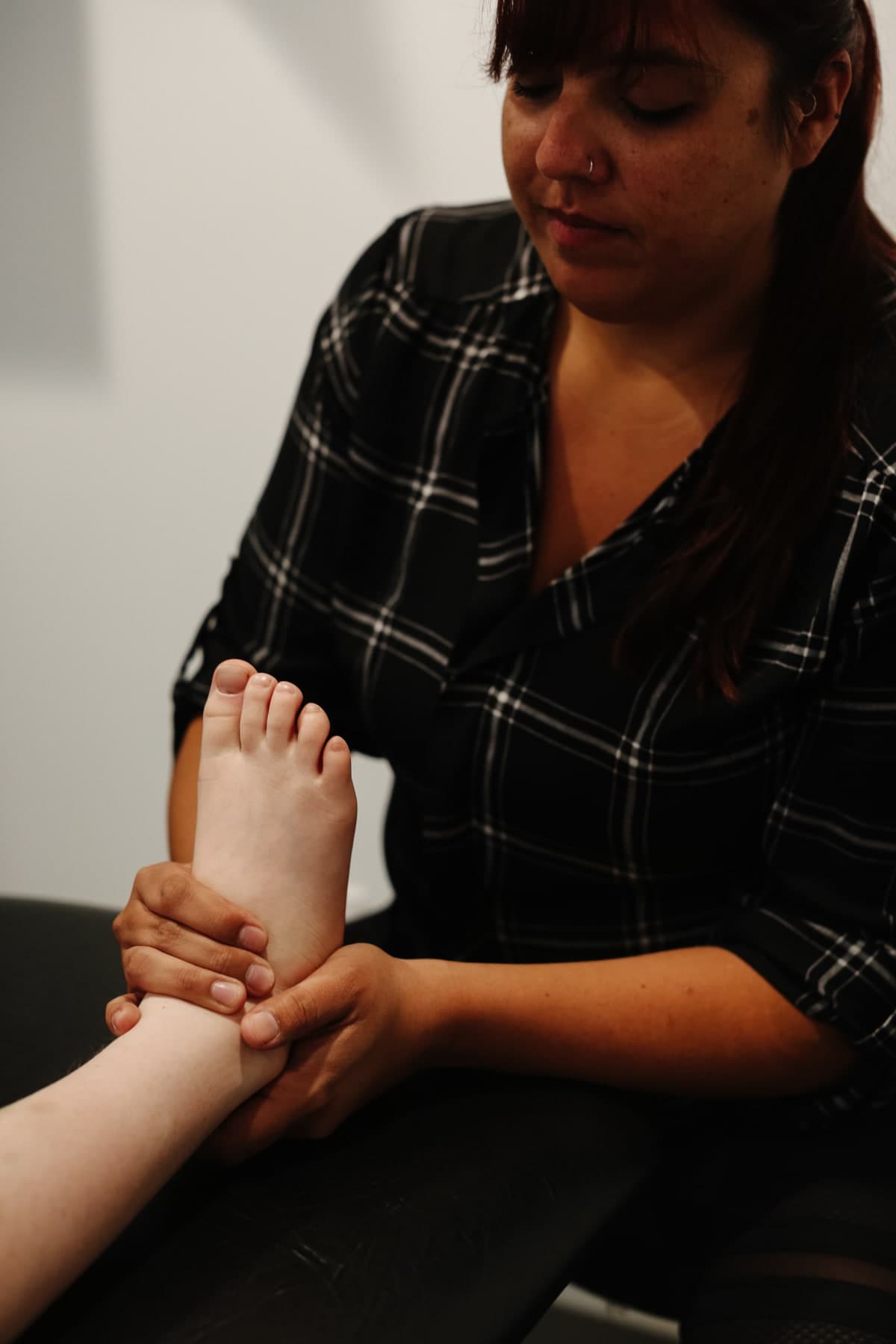
- You should feel a stretch along the bottom of your foot. You can run your other thumb along your arch to feel the tension.
2. Calf stretch
A tight calf puts more strain on your heel and the bottom of your foot.
- Stand facing a wall with your hands on it.
- Step your sore foot back, keeping your back knee straight and heel flat on the floor.
- Lean toward the wall until you feel a stretch in your upper calf.
3. Towel stretch
A good option if standing stretches are too uncomfortable, or for first thing in the morning.
- Sit with your leg straight out in front of you.
- Loop a towel around the ball of your foot.
- Gently pull the towel toward you, keeping your knee straight.
4. Foot roll
Rolling the bottom of your foot over a ball or a frozen water bottle won't fix plantar fasciitis on its own, but many people find it soothing, especially at the end of a long day.
Try: 1 to 2 minutes, gently, as often as it feels good.
What else helps
- Adjust your load, don't stop completely. If walking or running flares it up, reduce how much or how far for a while rather than stopping everything.
- Supportive footwear. Shoes with good cushioning and support, especially if you're on hard floors all day. Try to avoid going barefoot on hard surfaces while it's sore.
- Heel cups or inserts. An off-the-shelf insert helps some people in the short term. Custom orthotics aren't necessary for most people, but they can help in some cases.
- Taping. Can give short-term relief for some people.
- Shockwave therapy. One of the better-supported treatments for stubborn heel pain that hasn't improved with exercise.
When to see a physiotherapist
It's worth getting assessed if your heel pain has lasted more than a few weeks, is getting worse, or is stopping you from working, walking or exercising comfortably. Not all heel pain is plantar fasciitis, and an assessment helps make sure you're treating the right problem.
You don't need a doctor's referral to see a physiotherapist in Saskatchewan.
Frequently asked questions
What is the fastest way to get rid of plantar fasciitis? There's no overnight fix, but stretching your calf and foot, strengthening, reducing aggravating load and wearing supportive footwear tend to help most. Many people improve within a few months.
How long does plantar fasciitis last? It varies. Many people improve within 3 to 6 months, and most recover within a year. Getting the right plan early can help you feel better sooner.
Should I stretch plantar fasciitis in the morning? Yes. Stretching before your first steps out of bed often helps reduce that sharp morning heel pain.
Is walking bad for plantar fasciitis? Not usually. You may need to reduce how much you walk for a while, but staying active within comfortable limits is generally fine.
Do I need orthotics for plantar fasciitis? Most people don't, but it is an option that can help with symptom management.
Is a heel spur causing my pain? Probably not. Heel spurs are common in people without heel pain, and most heel pain comes from the plantar fascia itself.
At Stride Physio & Performance in Swift Current, we help people across Southwest Saskatchewan get back on their feet with confidence. If your heel pain isn't settling, we're happy to help.
This article is general information and isn't a substitute for an individual assessment.
Have a Question About Your Care?
Our team is happy to help. Reach out and we’ll get back to you.
Get in touch