Chronic pain is pain that lasts three months or longer. It often continues because the nervous system has become more protective, not because damage is still happening. A sensitive nervous system can also learn to calm down, and movement, education and steady support can help it get there.
If you live with chronic pain, you already know how much it can take from you: sleep, energy, work, time with the people you love, and sometimes your sense of who you are. You may have seen several clinicians, tried many treatments and wondered whether things will ever get better.
Here is the message we most want you to hear: there is real reason for hope. Chronic pain is common, and it's understood far better today than it was even a decade ago.
What Is Chronic Pain?
Chronic pain is pain that lasts three months or longer. For many people it carries on well after the original injury has healed. Some people never had a clear injury at all.
This does not mean the pain is "in your head" or that you're imagining it. Your pain is real. What changes over time is how your body handles pain signals, and that is where the hopeful part of this story begins.
What Causes Chronic Pain to Stick Around?
Over time, the nervous system can become more sensitive. Think of a smoke alarm that goes off when you make toast. The alarm works, but the volume has been turned up too high. That's why pain can flare on days when nothing new has happened to your body.
Pain doesn't always mean damage. Hurt doesn't always mean harm. For many people living with persistent pain, the system is sensitive, not broken.
That's hopeful news. The same nervous system that learned to become more sensitive can also learn to settle down. Scientists call this "plasticity." Movement, exercise and hands-on care are some of the ways people help retrain how their nervous system responds to pain signals.
Many of the things that turn the alarm up are things you can change:
- Poor sleep
- Low mood
- Stress
- Worry about pain
- Lost fitness
Each one is a door you can open toward feeling better.
Can People With Chronic Pain Get Better?
Chronic pain is not always permanent. Some people improve a great deal over time, and some recover completely. Pain levels also tend to shift up and down rather than staying fixed, which means a hard month doesn't predict the next one.
People at every stage can make meaningful gains. Even when pain doesn't go away entirely, many people find strategies that work for them and make daily life far more manageable.
Your body is strong and adaptable. That stays true on the hard days too.
How to Manage Chronic Pain
Pain affects your body, your mind and your daily life, so care that looks at all three tends to fit best. Health organizations around the world now recommend a combined approach that may include:
- Movement and exercise, one of the most strongly supported approaches for chronic pain
- Psychological approaches such as cognitive behavioural therapy (CBT), acceptance and commitment therapy, and mindfulness
- Daily habits like sleep, nutrition, managing weight where it helps, and quitting smoking
- Mind-body practices such as yoga, tai chi and qigong
- Medication when appropriate, chosen with your doctor and ideally used alongside other strategies
Psychological approaches don't suggest your pain is imaginary. They give you tools to loosen pain's grip on your life, and many people find they pair well with an active plan.
We often compare people to plants. Give a plant the right sun, water and soil, and it grows. Sleep, food, rest, stress and activity are your version of those conditions. When those are looked after, your body has more room to heal and adapt.
No single treatment works for everyone. That isn't a failure. It means you and your care team can try different options and find the mix that fits you.
How Physiotherapy Helps With Chronic Pain
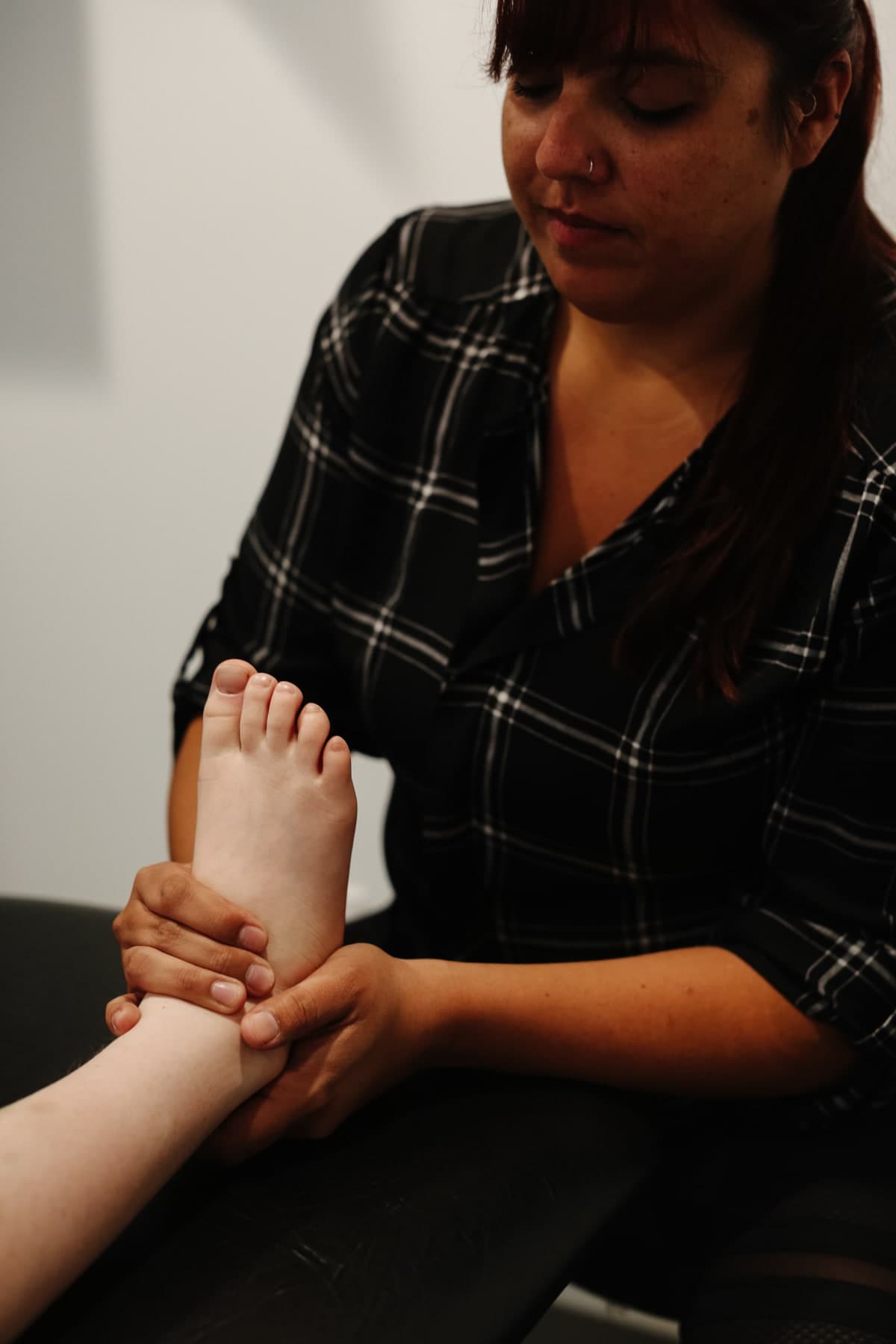
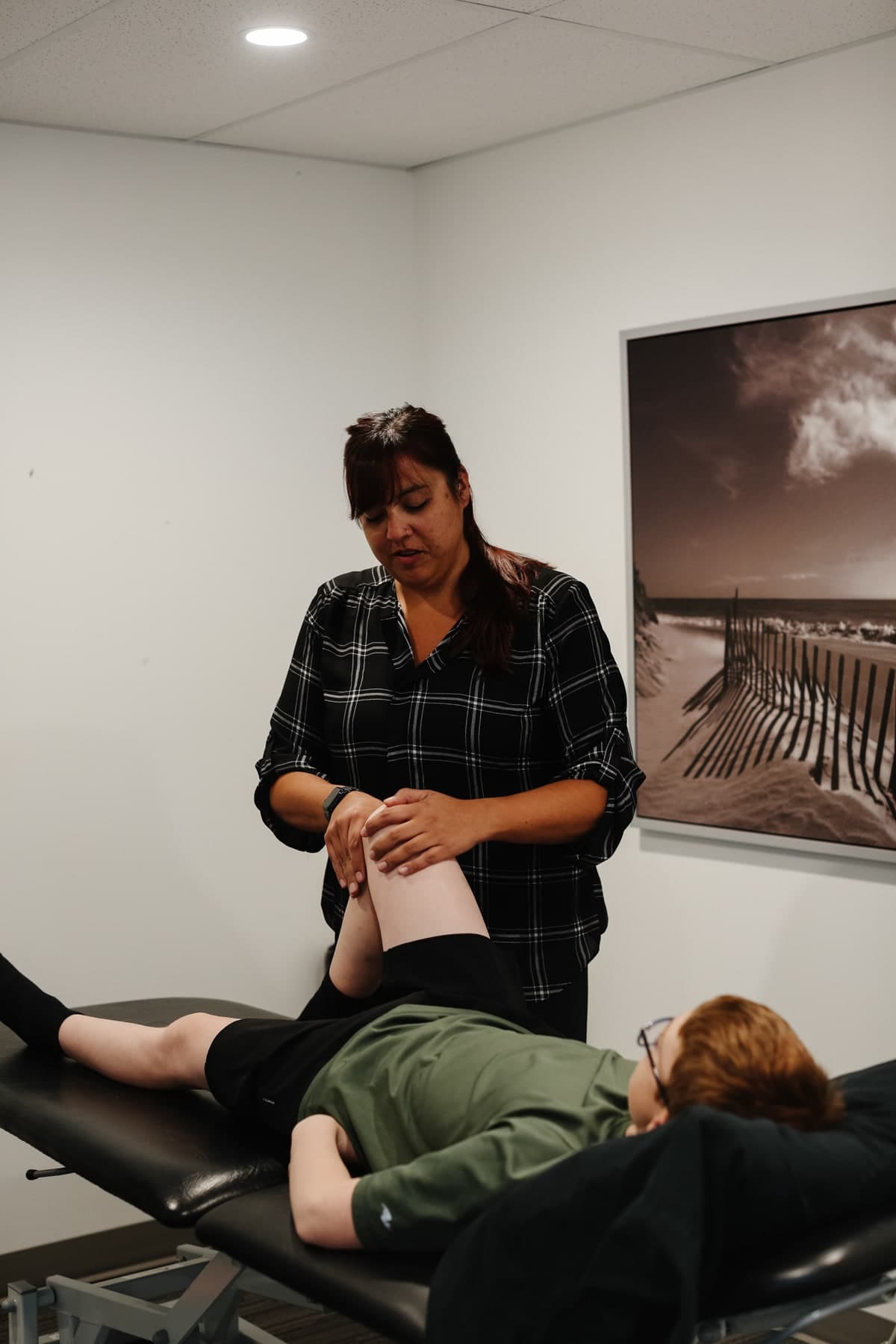
Physical activity is widely recommended as safe for people with chronic pain, and exercise therapy is a well-studied option for back pain, fibromyalgia, and hip or knee arthritis. A physiotherapist helps turn that into a plan you can follow.
In our clinic, we see ourselves as coaches as much as clinicians. The first visit starts with careful screening, so we can feel confident nothing medically serious is behind your symptoms. Then we want to understand you: how pain is affecting your work, your relationships and your mood, and what you'd want to do if you could snap your fingers and feel better today, to help come to a plan focused on your goals.
Understanding Your Pain
Progress with chronic pain is often gradual. It may look like:
- Walking a bit farther than last week
- Sleeping through more of the night
- Returning to a hobby you set aside
- Getting down on the floor to play with your kids or grandkids again
Each of those counts. Consistent effort over weeks is what builds real change, so be patient and kind with yourself. Every small step is part of feeling more like yourself.
Have a Question About Your Care?
Our team is happy to help. Reach out and we’ll get back to you.
Get in touch