You've come in for a sore back or a stiff neck, and acupuncture comes up as an option. Maybe you picture a body covered in needles, or you've heard it hurts.
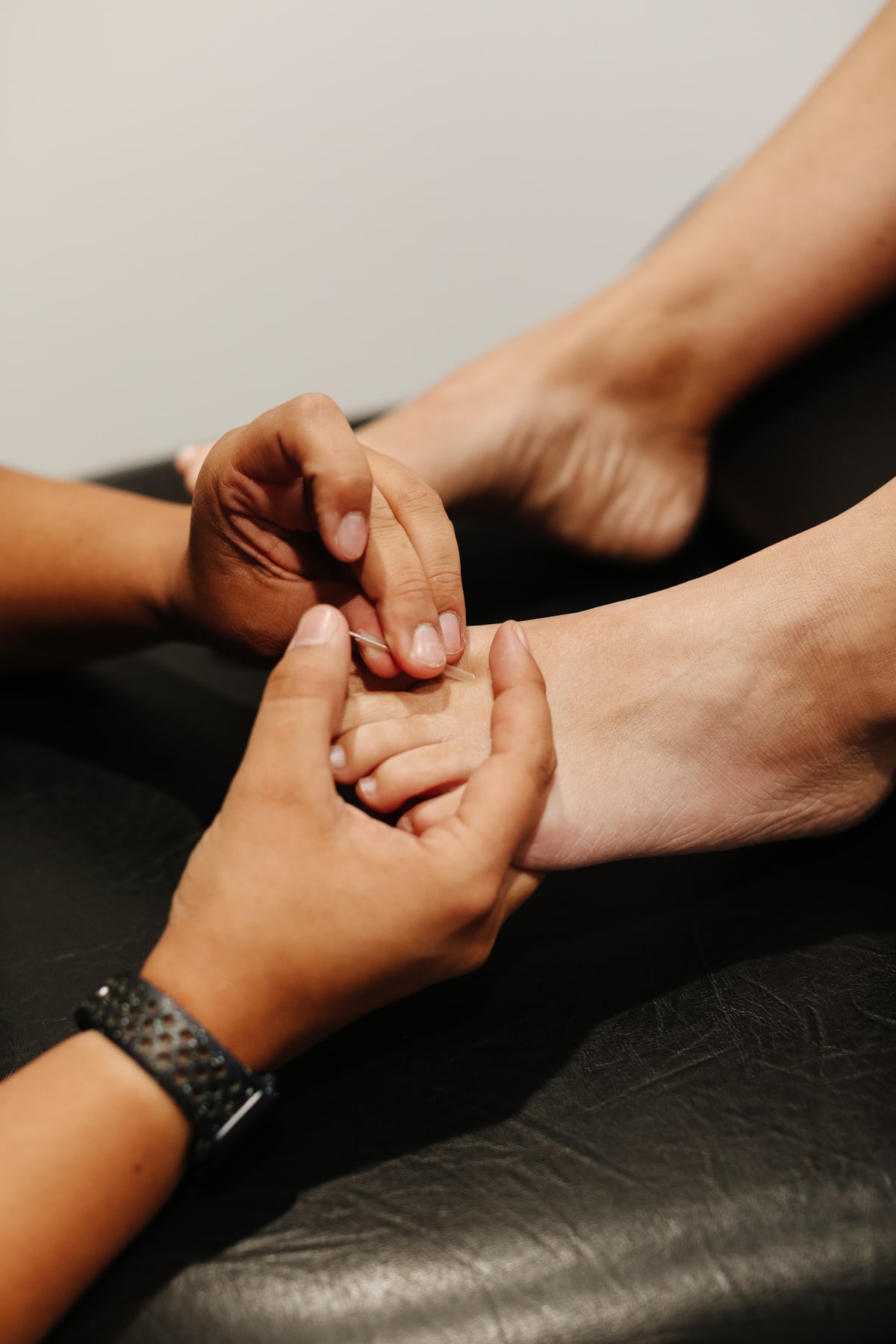
Here's what to expect. We assess you first. Then we talk through whether needles make sense for your problem and your goals, and you decide. If you go ahead, a few thin needles go into the skin, you rest while they're in, and we get back to the exercise and education that carry the rest of your plan.
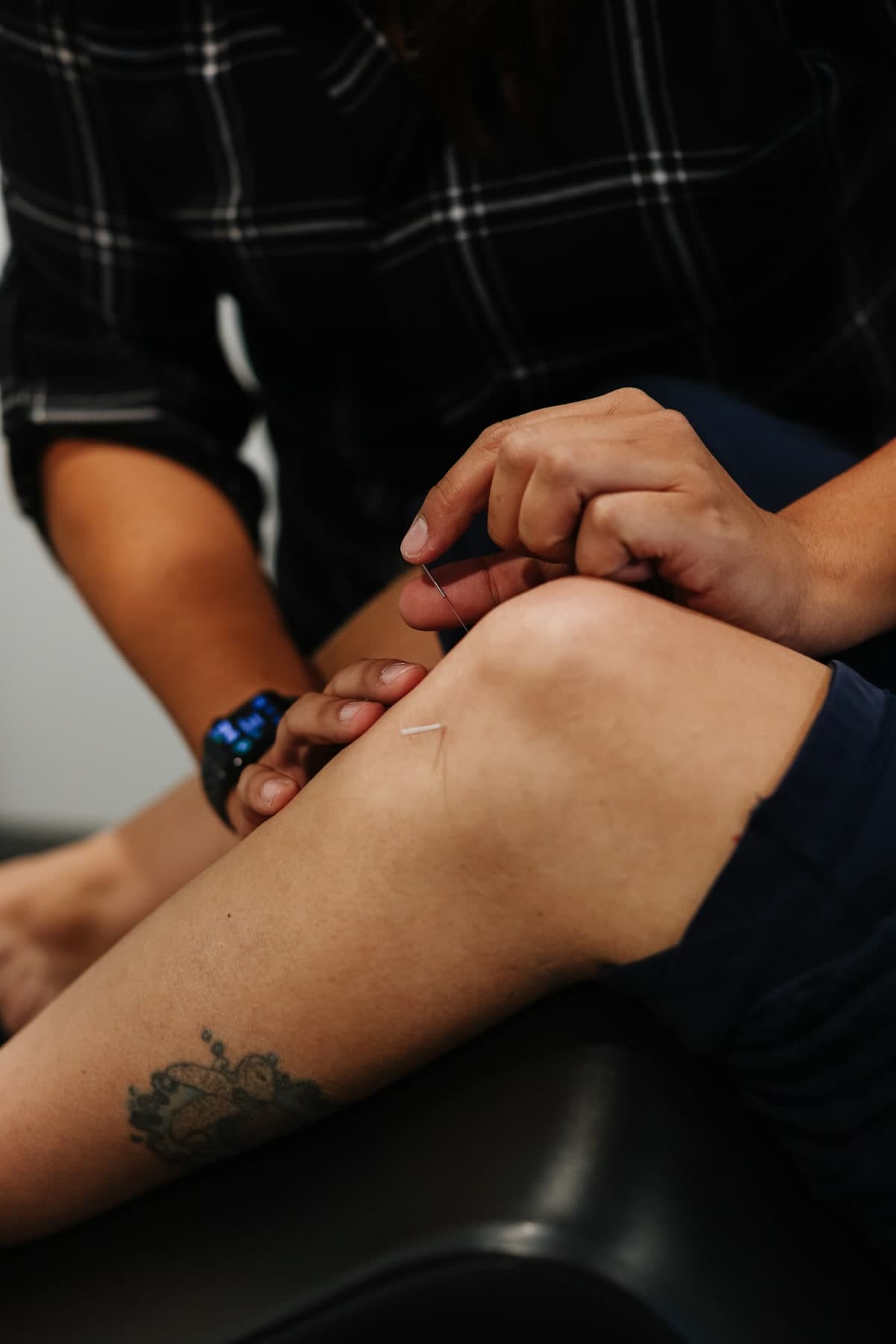
The needles are thin and solid. Nothing is injected. The feeling tends to be a dull ache or a heaviness, not the sting of a flu shot.
How Acupuncture Fits into Your Plan at Stride
Every plan starts with an assessment, and that includes plans with needles in them. Before acupuncture is on the table, we want to be confident nothing medically serious is behind your symptoms. From there we get to know you: how the pain is affecting work, sleep and the things you'd do tomorrow if it settled down. Sleep, stress and how active you are come into it too, because they can change how pain feels.
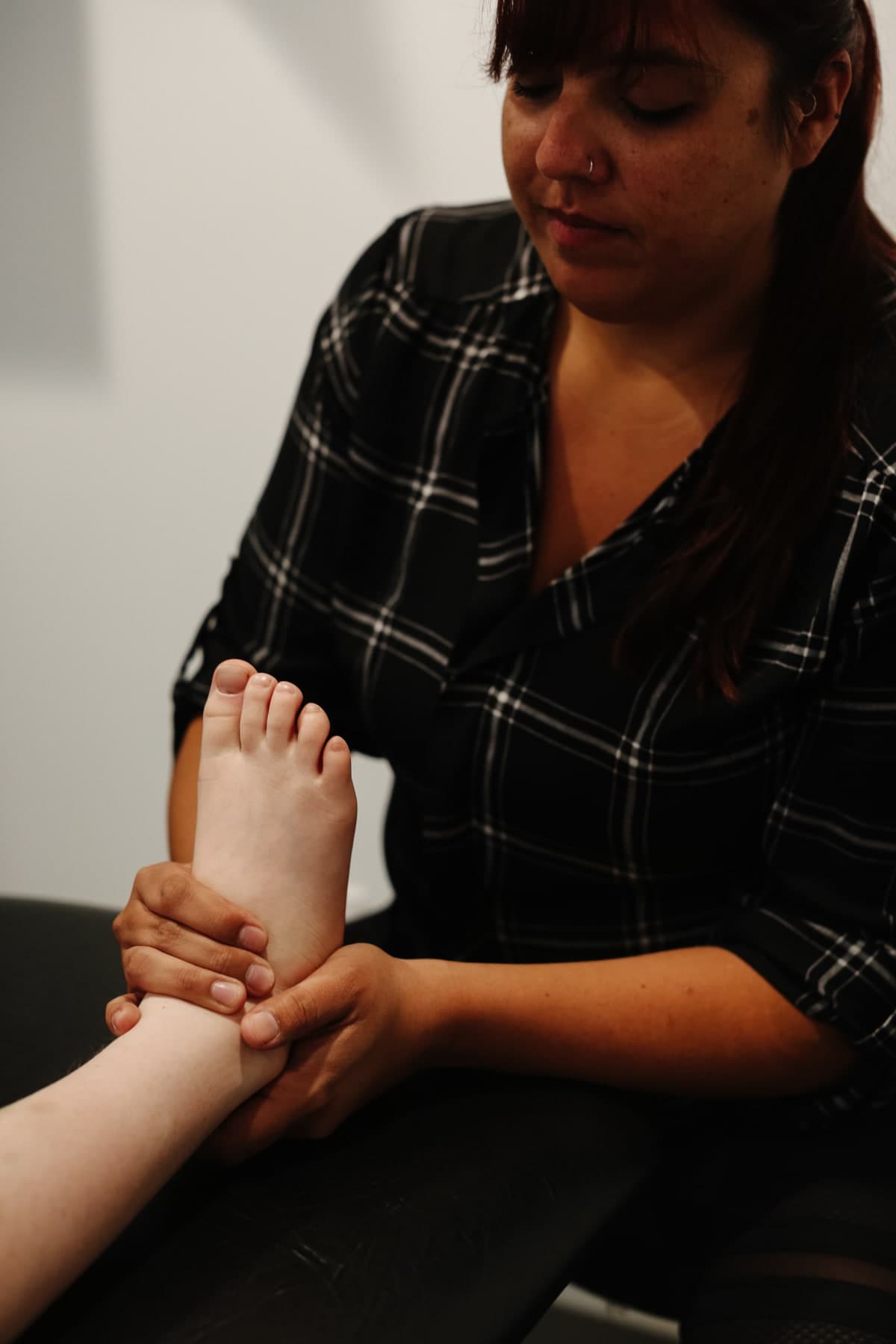
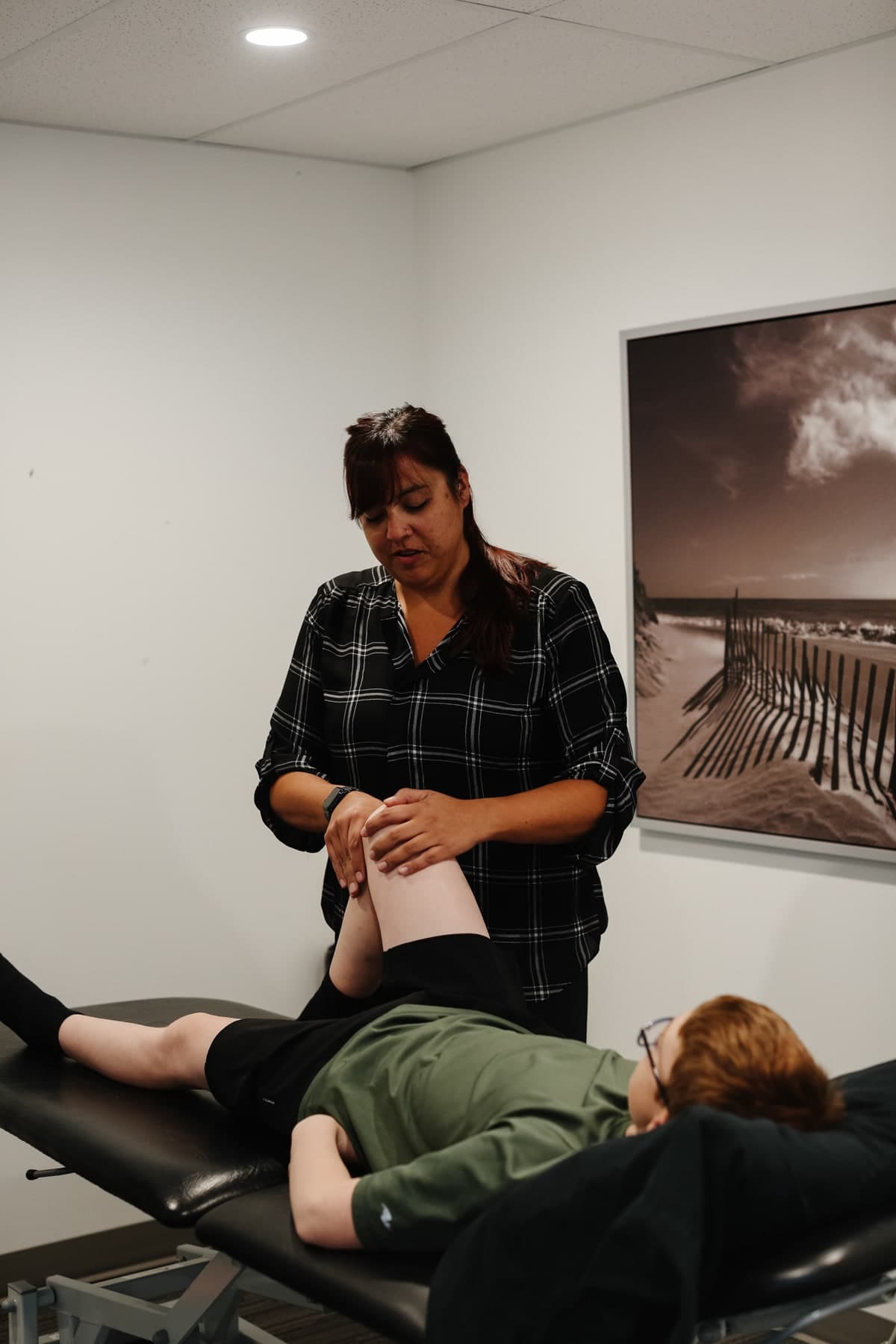
The physical assessment looks at how you move, what eases and aggravates the pain, and the areas around the sore spot. A sore low back, for example, gets a look at the hips and how you bend and lift as well as the back itself.
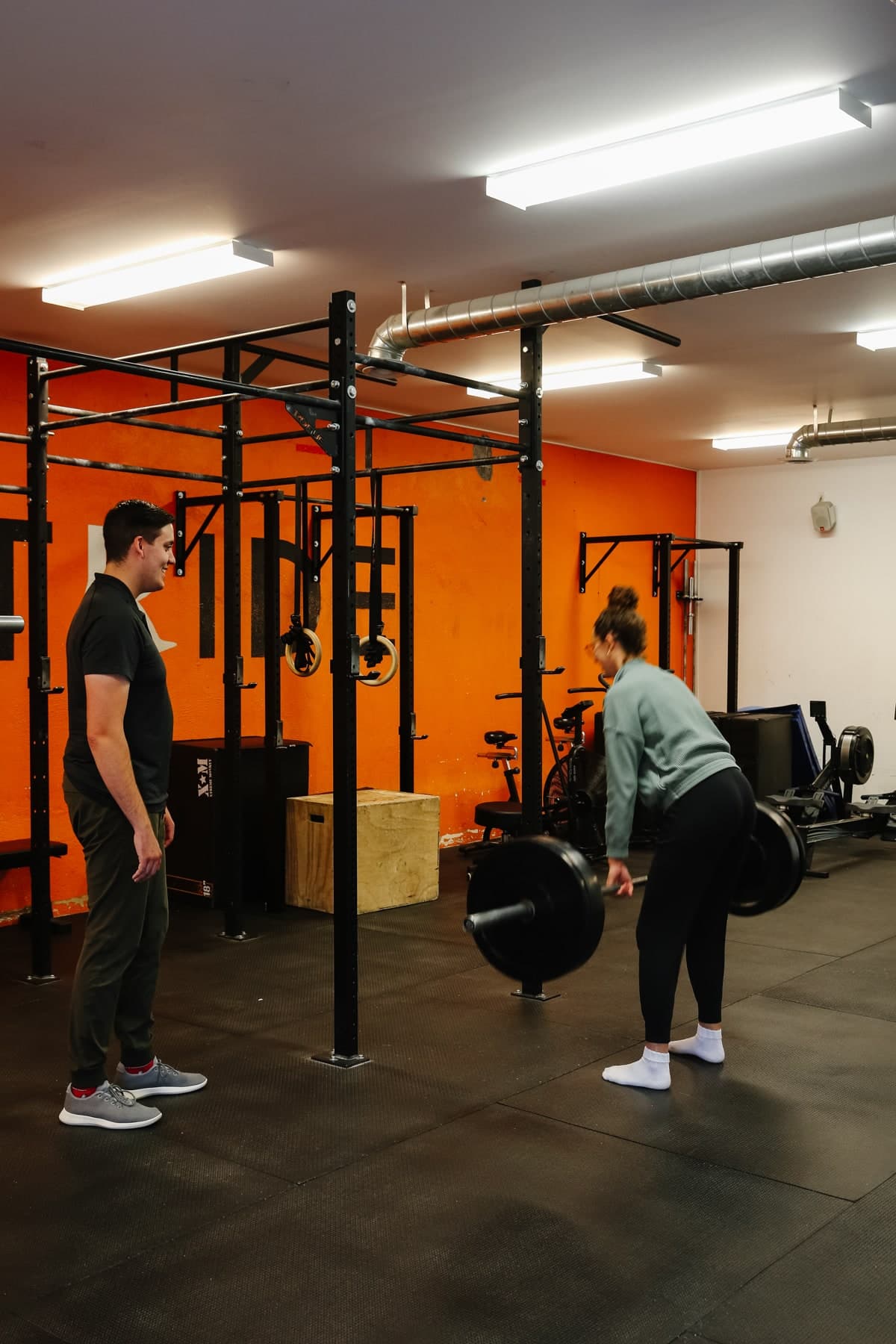
If acupuncture fits, it's one tool in the plan, never the whole plan. We use it to help ease pain and tension so moving feels more manageable, and we pair it with exercise and education you keep doing at home. Those are the tools you can use on your own, long after the needles are put away. If you'd rather skip needles, that's fine. You might not need it, and we'll tell you so.
In Saskatchewan, acupuncture is a specialized procedure for physiotherapists. The Saskatchewan College of Physical Therapists allows it only after a recognized course with at least 90 hours of instruction and a written and practical exam. Here at Stride, three of our physiotherapists, Laurel Schafer, Taryn Mark and Sara Kronberg, include acupuncture in their care.
What Happens During a Session
- Consent first: we explain where the needles will go, why, what you might feel and the possible side effects. You can say no, or ask us to stop at any point, even after we've started.
- Health questions: we ask about medications, pregnancy and any history of fainting, because these can change whether and where needles are used.
- Getting comfortable: you lie or sit in a supported position, with the area we're working on uncovered and the rest of you draped.
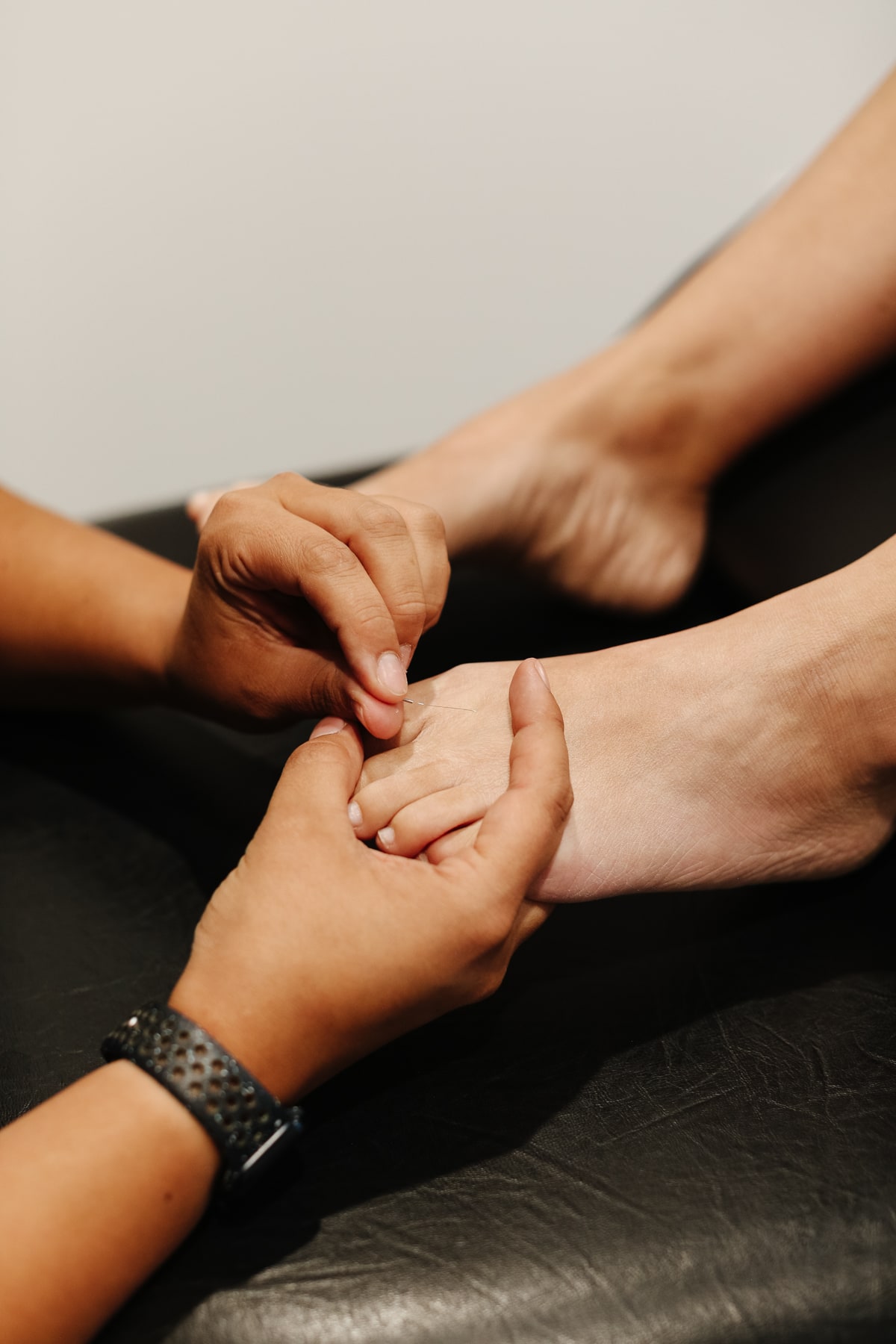
- Placing the needles: thin, solid needles go into the skin at chosen points, sometimes near the sore area and sometimes farther away.
- Resting: the needles stay in while you rest, and we check in on how you're doing.
- Removal: the needles come out, and the session moves on to movement, exercise or hands-on work, depending on your plan.
How the Needles Feel
Acupuncture needles are much thinner than the ones used for blood work or a vaccine. You may feel a quick pinch as one goes in, or nothing at all. Once it's in place, the feeling tends to be a dull ache, a sense of heaviness or warmth, or a mild tingle around the spot.
Tell us if a needle feels sharp, hot or uncomfortable and stays that way. We can adjust it or take it out. Hurt doesn't always mean harm, but you should never have to grit your teeth through a session. It's your choice how far we go.
Nervous about needles? Say so at the start. We can begin with fewer needles in an easy spot so you can see how your body responds.
After the Needles Come Out
You might feel relaxed, a little sleepy, or no different. Each of those is normal. For the rest of the day, you may notice:
- a small bruise or a drop of blood where a needle went in
- some soreness at a needle spot, a bit like after a workout
- feeling lightheaded, especially if you stand up quickly
These tend to settle on their own. Get up slowly, have some water and a snack if you feel woozy, and keep moving through your day. If something worries you, call the clinic and we'll talk it through.
The part of the visit that keeps working after you leave is the home program. Acupuncture may calm things down for a while. The exercises are how you build strength and confidence over time.
What the Research Supports
Studies on acupuncture for back, neck and knee pain suggest it may help ease pain for some people.
Our view: acupuncture is a reasonable option if you're comfortable with needles and it helps you move more easily while you work on the rest of the plan.
At a first visit for back, neck or joint pain at Stride, we start with your story and an assessment, explain what's going on with your body in plain words, and agree on a plan together. Acupuncture may be part of it, or it may not. If you'd like to talk it through, you can book a visit with Sara, Taryn or Laurel, all under one roof here in Swift Current. Our physiotherapists are registered members of the Saskatchewan College of Physical Therapists.
Have a Question About Your Care?
Our team is happy to help. Reach out and we’ll get back to you.
Get in touch