Pre- and Post-Surgical Rehabilitation in Swift Current
Prehab before surgery and physiotherapy after it, built around your surgeon's plan and your goals, close to home in Southwest Saskatchewan.
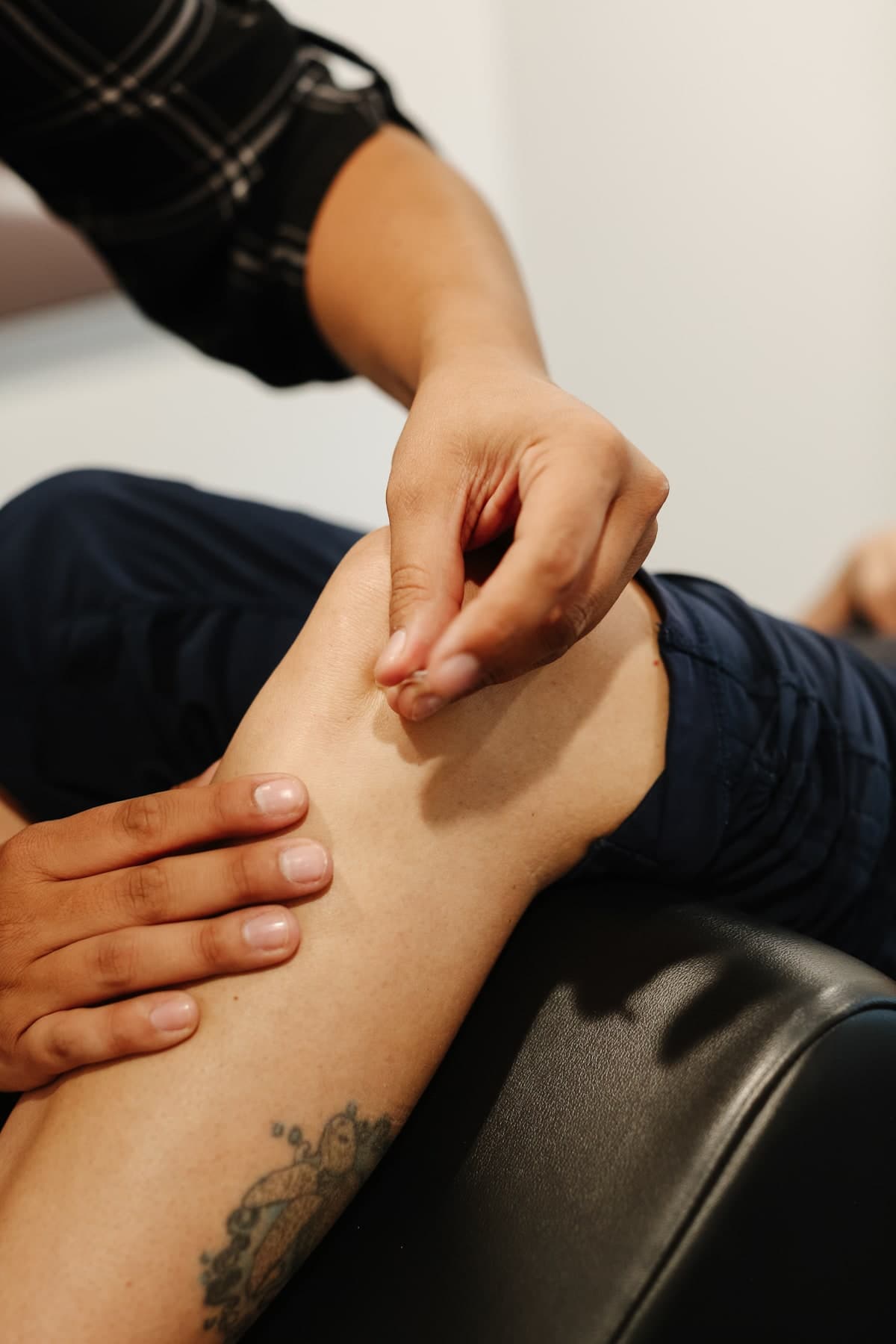
Physiotherapy Before and After Surgery
Having surgery is a big step, and what you do before and after it can make a real difference to your recovery. Whether you're preparing for a knee replacement, recovering from an ACL reconstruction or getting back on your feet after a fracture, physiotherapy helps you regain movement, build strength and confidence, and get back to what you love.
We work with people from Swift Current and across Southwest Saskatchewan. If your surgery is in Regina, Saskatoon or elsewhere, you can do your prehab and rehab here, close to home.
What Surgeries Do We Help With?
We help people prepare for and recover from a wide range of orthopedic and soft tissue surgeries, including:
Knee and hip
- Knee replacement (total and partial)
- ACL reconstruction
- Meniscus repair and knee arthroscopy
- Hip replacement
Shoulder, elbow and hand
- Rotator cuff repair
- Shoulder stabilization and labral repair
- Shoulder replacement
- Wrist, hand and elbow fracture repair
Ankle, foot and spine
- Achilles tendon repair
- Ankle fracture repair and ankle ligament reconstruction
- Spinal surgery, including discectomy and fusion
- Other orthopedic and soft tissue surgeries
What Is Prehab, and Why Does It Help?
Prehabilitation, or "prehab," means preparing your body before surgery. Going in stronger, more mobile and knowing what to expect can help your recovery go more smoothly afterward.
Prehab may include:
- Exercises to build strength and keep you moving
- Reducing swelling and regaining range of motion before ACL surgery
- Practising walking with crutches or a walker, and safe ways to manage stairs
- Planning your home setup, such as bathroom safety, furniture height and what you'll need close at hand
- Understanding the recovery timeline, so you know what to expect week by week
What Happens at Your First Visit After Surgery?
Every surgery, and every person, is different, so your first post-op visit starts with understanding where you're at.
Bring Your Surgeon's Instructions
If you have a protocol or discharge instructions, bring them along. Your rehab follows your surgeon's restrictions, such as weight-bearing limits, sling use or movements to avoid early on, and we're happy to talk with your surgeon's office if questions come up.Talk Through Your Surgery
We'll ask about your surgery, any restrictions you've been given, how you're managing pain and swelling, how you're sleeping and moving at home, and what you want to get back to.Check How You're Moving
We'll look at your incision and swelling, and check your range of motion, strength, balance and how you're walking or using your arm.Build Your Plan
Together we'll set a plan around your surgery, your surgeon's guidelines and your goals, so you know what to do and why at each stage.
When Should You Contact Your Surgeon or Doctor?
At every visit, part of our job is watching for signs that something needs medical attention. Let us or your surgeon know if you notice:
- Increasing redness, warmth, swelling or drainage around the incision
- Fever or chills
- Calf pain, swelling or warmth
- Pain that's getting significantly worse rather than better
- A sudden loss of movement or strength, or a feeling that something has given way
If something doesn't look right, we'll tell you and help you get to the right place, whether that's your surgeon, your family doctor or emergency care.
If you have sudden shortness of breath or chest pain after surgery, call 911 right away.
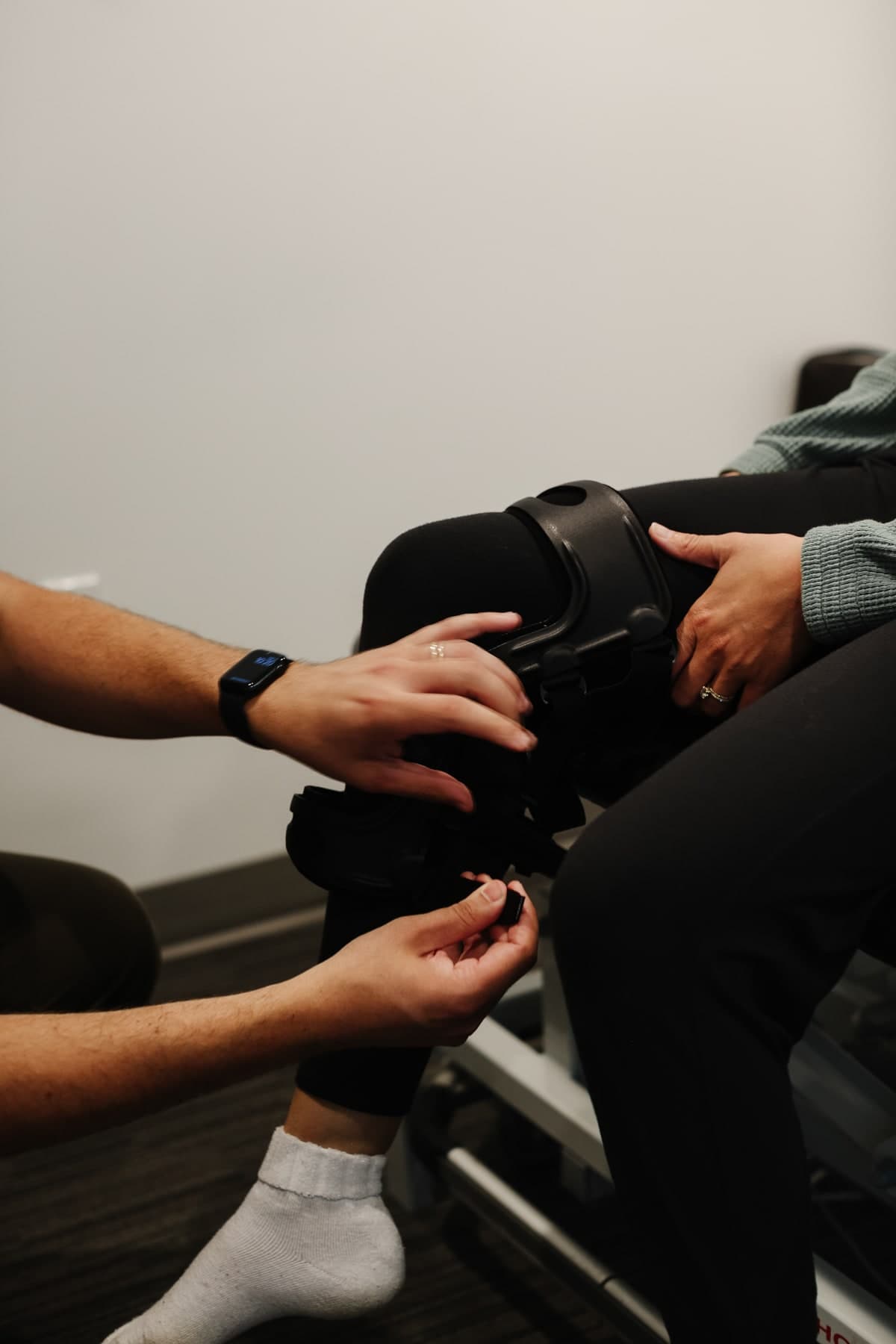
How Does Physiotherapy Help After Surgery?
Your plan is built around your surgery, your surgeon's guidelines and what you want to get back to. Step by step, it usually focuses on:
- Understanding your recovery: what's normal, what to expect at each stage, and how to tell good soreness from a warning sign.
- Managing pain and swelling: practical strategies to stay comfortable so you can keep moving.
- Restoring movement: getting your joint moving again safely and steadily.
- Rebuilding strength: progressive strengthening to regain the strength you've lost and keep building from there.
- Walking, balance and daily tasks: getting you off crutches or a walker when it's safe, and back to stairs, driving, work and household tasks.
- Returning to activity and sport: for athletes and active people, a step-by-step return to running, skating, lifting and sport, based on clear milestones rather than time since surgery alone.
Questions About Rehab Before and After Surgery
How long does rehab take after surgery?
Do I need physiotherapy after a knee or hip replacement?
Can prehab help me decide whether I need surgery?
Can I do my rehab in Swift Current if my surgery is in Regina or Saskatoon?
What should I bring to my first appointment after surgery?
Keep Building After Rehab
Once you've finished your rehab, our coaching program can help you keep building strength and fitness, so you get the most out of your surgery for years to come.